
Rooney’s UK Sales Vanish as Anti-Terror Law Triggers Bookstore Scramble
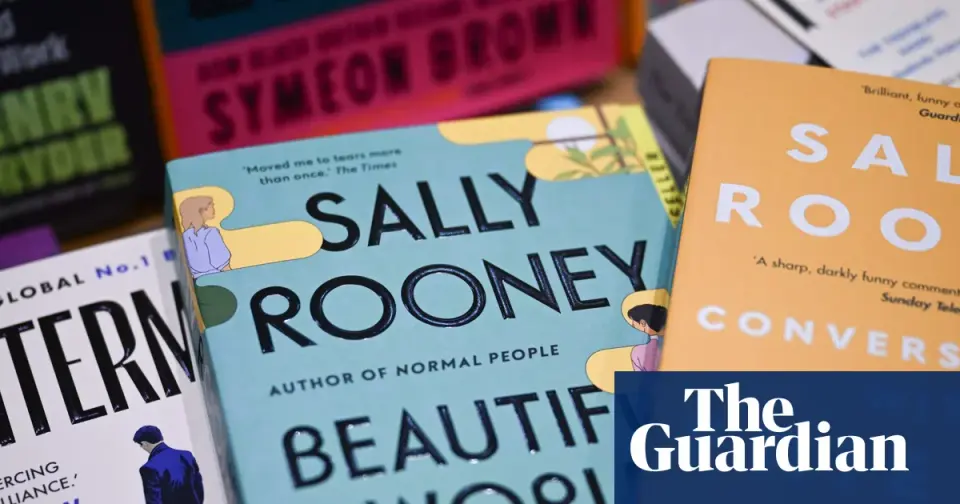
Faber & Faber has ceased supplying Sally Rooney’s novels in the UK after she pledged royalties to the proscribed group Palestine Action. This legal move, not an official ban, has caused a 291% spike in sales for remaining stock and triggered a cross-border supply chain from Ireland. High-profile writers and actors have condemned the outcome as censorship, while critics argue the publisher’s caution is a rational response to strict anti-terror laws.
Key points
- Faber & Faber stopped supplying Rooney’s books in the UK on October 14, 2026, citing the inability to pass on royalties to an author supporting a proscribed group.
- Sales of remaining stock surged 291% in one week, with Nielsen BookScan recording 4,531 copies sold, as readers rushed to buy before shelves emptied.
- Irish bookshops, particularly in Galway and Northern Ireland, have seen sales rise tenfold, acting as informal supply hubs for UK customers to bypass the distribution halt.
- A broad coalition of writers, actors, and activists, including Zadie Smith and Paul Mescal, signed an open letter calling the situation a 'repressive absurdity' and urging legislative reform.
- The UK Supreme Court is scheduled to hear a case regarding the ban on Palestine Action in two weeks, which may determine the future availability of Rooney’s work.
Background
This situation follows the July 2025 proscription of Palestine Action as a terrorist organization in the UK, a ban upheld by the Court of Appeal in June 2026. Rooney had previously stated in August 2025 that she would accept the legal consequences of supporting the group. Her publisher’s decision to halt UK sales was framed as a joint legal strategy to avoid liability under the Terrorism Act 2000, which criminalizes providing money or property to proscribed groups. The move has been compared to historical censorship, with some observers noting the irony of British anti-terror laws affecting an Irish author’s work in a way that reverses traditional cultural flows between the UK and Ireland.
How outlets are covering it
The Guardian and Al Jazeera emphasize the cultural shock and the 'frightening' precedent set by the withdrawal, highlighting the rapid sell-out of stock and the international outcry from literary figures. They frame the event as a crisis of free expression and a test case for the breadth of UK anti-terror legislation. In contrast, The Atlantic’s George Packer offers a more critical view of Rooney’s stance, arguing that while the suppression of speech is problematic, Rooney’s decision to challenge foreign law is a personal choice that places her publisher in an 'unconscionable' legal position. Packer notes that the books are not officially banned, but rather unavailable due to the author’s specific legal exposure. The Atlantic also points out the absurdity of the situation, noting that while Rooney’s books are pulled, other controversial titles remain available, illustrating the inconsistent application of the law.
Why it matters
This incident highlights the chilling effect of broad anti-terror legislation on cultural and artistic expression, potentially setting a precedent for how publishers handle authors with controversial political affiliations. It also underscores the growing tension between UK and Irish cultural markets, with Ireland becoming a de facto hub for UK readers seeking access to restricted content. The upcoming Supreme Court hearing on the Palestine Action ban will be a critical test for the limits of free speech and the scope of terrorism laws in the UK, with implications for other authors and activists.
What to watch
The UK Supreme Court is expected to hear a case regarding the ban on Palestine Action in two weeks, which could determine whether the proscription is upheld or overturned. The availability of Rooney’s next novel, which is expected soon, will be a key indicator of whether the legal and distribution barriers persist. Irish and Northern Irish bookshops are likely to continue serving as informal supply channels for UK customers, potentially leading to further legal or regulatory scrutiny. The open letter from writers and actors may also pressure the UK government to amend the Terrorism Act or provide exemptions for cultural and artistic works.
- ‘It feels quite frightening’: readers rush to snap up Sally Rooney books as stocks dwindle amid Palestine Action ban The Guardian
- Sally Rooney is a writer, not a terrorist New Statesman
- Authors urge UK to halt ‘draconian’ Palestine Action ban as Rooney sales end The Times of Israel
- Actors, writers condemn UK anti-terror law targeting Sally Rooney Al Jazeera
- Sally Rooney Is Wrong, and So Is What’s Happening to Her The Atlantic
Want the full story? Read the original reporting
Read on The Guardian