
UK Navy Shortfalls in High North Leave Arctic Flank Vulnerable to Russian Submarines
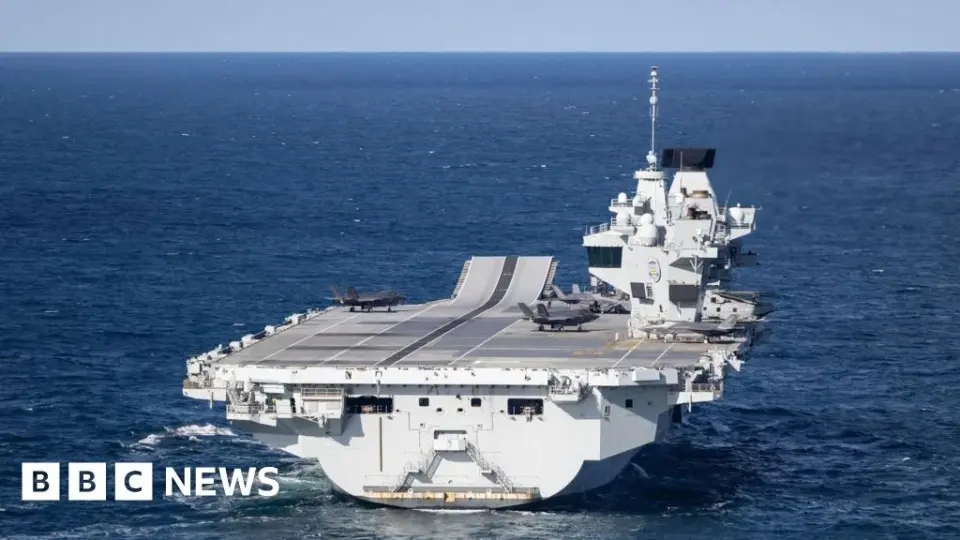
A UK parliamentary committee report warns that the Royal Navy lacks sufficient submarines and warships to counter Russian threats in the Arctic. The report highlights critical gaps in ship availability and capability, urging the government to accelerate deployments before 2030, especially given uncertain US support for NATO.
Key points
- The Defence Committee found that the UK cannot currently meet its commitments in the High North due to a shortage of available destroyers, frigates, and attack submarines.
- All five Astute-class submarines were in dock for refits during the summer of 2026, leaving no vessels at sea to track Russian maritime activity.
- The Royal Navy currently has only five frigates with sonar for detecting Russian submarines, below the target of eight, with full replacement not expected until 2037.
- The report warns that if the US does not intervene in a crisis, the UK faces critical military gaps as the second-largest NATO military power in the region.
- The committee called for 'dramatic progress' by the end of the decade, urging the Ministry of Defence to ensure more warships are operational by 2030.
Background
This assessment follows recent escalations in maritime security, including drone strikes on cargo ships in the Black Sea in October 2026, which highlighted vulnerabilities in NATO’s eastern flank. It also aligns with broader concerns over US reliability under the Trump administration, as noted in earlier coverage of US hesitation regarding Saudi air defence gaps in Riyadh.
How outlets are covering it
The BBC and The Guardian both emphasize the strategic risk posed by Russian submarines using Arctic ice for concealment. However, The Guardian provides more granular detail on the specific resource shortages, such as the deployment delay of HMS Dragon and the lack of ice-capable submarines. While the BBC focuses on the broader geopolitical threat to nuclear deterrence, The Guardian highlights the internal political friction, noting that defence spending remains capped at 2.7% of GDP until 2030 despite calls for increased readiness. Both sources agree that the UK must act independently of US support, but The Guardian explicitly links this to the resignation and return of John Healey as chancellor, which kept spending plans unchanged.
Why it matters
The report underscores a potential failure in UK deterrence capabilities at a time when Arctic shipping routes are becoming more viable due to climate change. If the UK cannot project power in the High North, it risks leaving critical infrastructure and NATO sea lanes exposed to Russian aggression, potentially forcing a reliance on uncertain US intervention.
What to watch
The Ministry of Defence is expected to respond to the committee’s call for a plan to increase ship availability by 2030. Defence Secretary Wes Streeting has recently visited Iceland to oversee submarine tracking operations, but significant funding increases are not anticipated until the next decade. The UK may also reconsider the focus of the Joint Expeditionary Force to prioritize the High North.
- UK's gaps in Arctic defence leave it open to Russian attacks, committee warns BBC
- U.K. Committee Report on Defense in the High North USNI News
- UK’s Royal Navy has ‘serious’ anti-submarine warfare gap, committee finds Defense News
- "Glaring gaps" in U.K.'s Arctic defense leave it and NATO open to Russian attacks, British lawmakers say CBS News
- Royal Navy lacks resources to counter Russian threat in high north, MPs warn The Guardian
Want the full story? Read the original reporting
Read on BBC