
Russian Media Silences Military Targets as Public Questions Grow
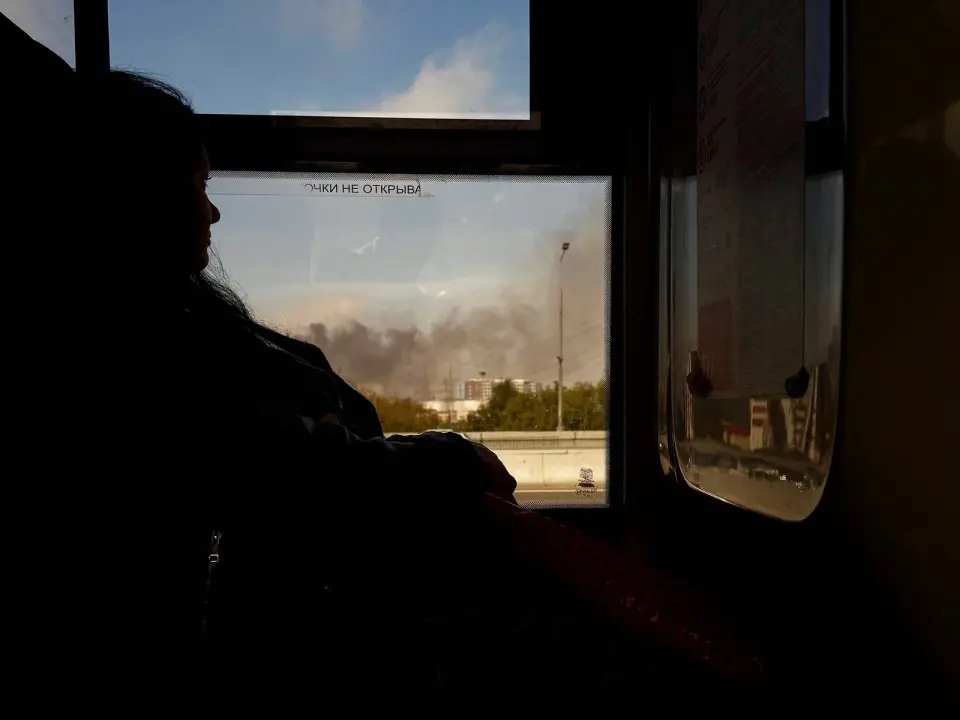
Russian authorities systematically obscure military targets in regional news, focusing on civilian damage to maintain a narrative of successful air defense. Monitoring of over 1,000 local communities shows that while state media ignores strikes on factories and refineries, independent outlets and military bloggers provide detailed analysis. Public skepticism rises when strikes occur near residents, leading to questions about official claims despite limited access to alternative information sources.
Key points
- Russian regional media consistently omit details about strikes on military infrastructure, such as drone factories in Taganrog and oil refineries in Moscow, focusing instead on civilian casualties and damaged commercial buildings.
- A monitoring of 1,000 regional communities and 40 national channels found that state-run outlets rarely mention military targets, while pro-war bloggers and independent media provide more comprehensive coverage, though they have smaller audiences.
- Public trust in official narratives erodes when strikes occur close to home, with 34% of comments in affected regions questioning the effectiveness of air defenses and 23% describing personal observations that contradict official reports.
- Despite widespread skepticism about the war's progress, only 1 in 12 comments called for an end to the conflict, indicating that questioning the authorities does not necessarily equate to opposition to the war itself.
Background
This development follows a broader pattern of Ukrainian strikes on Russian infrastructure, including e-commerce giants and digital services, which have exposed vulnerabilities in Russian supply chains and internet resilience. Recent events, such as the collapse of an energy ceasefire and strikes on power grids, have highlighted the escalating intensity of the conflict and the strain on Russian infrastructure, making the control of information regarding these attacks increasingly critical for the Russian government.
Why it matters
The divergence between official narratives and public perception in Russia indicates a growing information gap that could undermine long-term support for the war effort. As strikes reach deeper into Russian territory, the inability of state media to reconcile official claims with local realities may fuel broader discontent, even if it does not immediately translate into anti-war sentiment. This dynamic suggests that while information control remains effective in the short term, it may face increasing challenges as the war's impact becomes more visible to the general population.
What to watch
Expect continued efforts by Russian authorities to manage the narrative around strikes, potentially through increased censorship or the promotion of alternative explanations for damage. Independent media and military bloggers may continue to fill the information void, but their limited reach suggests that the majority of the population will remain reliant on state-controlled sources. The extent to which public skepticism translates into political action will depend on the frequency and proximity of future strikes.
Want the full story? Read the original reporting
Read on The Kyiv Independent