
The Psychology Behind the Viral Boom of Extreme Hoarder Clean-Up Videos
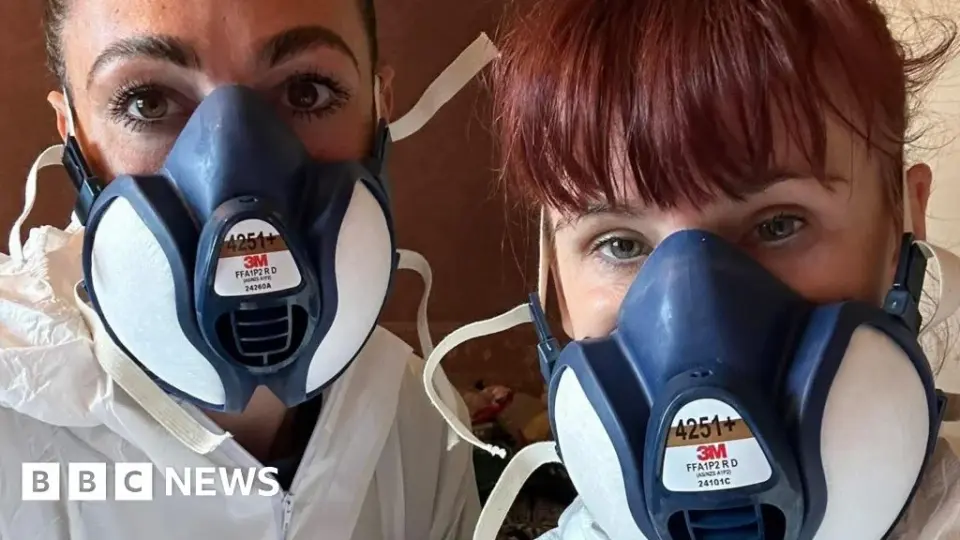
The surge in popularity of hoarder clean-up videos on platforms like TikTok is driven by a mix of human curiosity, the satisfaction of seeing disorder resolved, and algorithmic incentives. While these clips often feature shocking 'before and after' transformations, experts note they also serve a critical role in reducing stigma around hoarding disorder, helping viewers feel less isolated and more willing to seek professional help.
Key points
- Victoria Gordon, a specialist cleaner in Lincoln, documents extreme clean-ups, noting that audiences are 'naturally inquisitive' and find the process satisfying.
- The CleanTok community on TikTok has amassed 78 billion views, with Unilever partnering with the platform in 2023 to formalize this genre.
- Dr. Wasim Ahmed of the University of Hull explains that short-form videos create tension and provide a clear resolution, offering viewers a sense of control and reassurance.
- Algorithms reward this content because shocking visuals keep users engaged, leading platforms to serve more similar videos to maintain attention metrics.
- Gordon emphasizes that her content aims to combat stigma, with many followers identifying as hoarders who feel less alone and more empowered to seek help after watching her videos.
Background
The fascination with cleaning content has roots in traditional television programs like 'Britain's Biggest Hoarders' and 'Hoarder SOS,' which previously attracted large audiences. The current digital trend is a modern evolution of this interest, shifting from long-form TV to short-form social media clips. While earlier programs focused on the spectacle, the digital era has amplified the genre through 'cleanfluencers' like Ann Russell, who have millions of followers, and niche creators like Gordon who highlight the mental health aspects of hoarding.
Why it matters
This trend highlights the intersection of mental health awareness and digital media consumption. By normalizing the visual chaos of hoarding, these videos help reduce the shame associated with the disorder, potentially encouraging individuals to seek professional assistance. Furthermore, the phenomenon illustrates how social media algorithms prioritize emotionally engaging content, shaping what millions of people watch and how they perceive mental health issues.
What to watch
As the CleanTok genre continues to grow, expect more specialized content creators to emerge, focusing on niche areas like crime scene clean-ups or extreme hoarding cases. The conversation may also shift further toward mental health advocacy, with platforms potentially integrating more resources for those struggling with hoarding disorder. Additionally, the algorithmic preference for 'shocking' content may lead to more extreme or sensationalized videos, though creators like Gordon are pushing for educational and empathetic narratives.
Want the full story? Read the original reporting
Read on BBC