
German military grounds Quantum Systems drones after cyberattack on update server
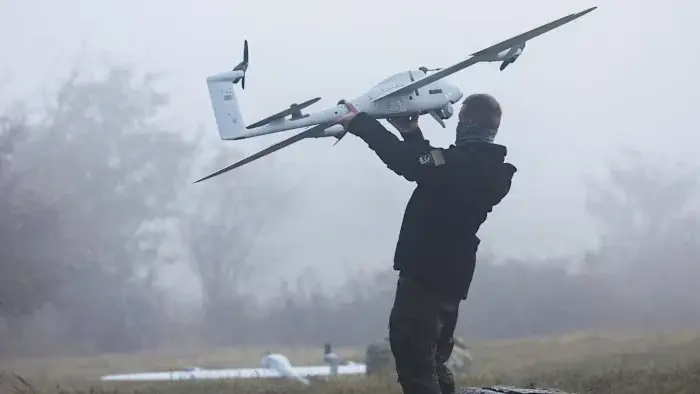
The German Bundeswehr has grounded drones manufactured by Quantum Systems following a cyberattack on the company’s update server. The incident, discovered in late October, involved a malicious file disguised as a routine software update for the QBase mission planning system. While Quantum Systems states the threat is contained and its fleet remains operational, the precautionary measure prevented the company from participating in recent military exercises. The attack highlights rising cyber threats against European defense firms supporting Ukraine, with German intelligence agencies investigating the incident.
Key points
- The Bundeswehr grounded Quantum Systems drones as a precaution after a cyberattack on the company’s update server in late October.
- The attack involved a malicious file disguised as a routine update for the QBase ground control and mission planning system, which reached customer servers but not the drones themselves.
- Quantum Systems, valued at €7 billion this year, states the threat is contained and its fleet is operational, but the grounding prevented participation in recent military exercises.
- German intelligence agencies, including MAD, BfV, and BSI, are investigating the incident, with no attacker named yet.
- The attack underscores increased cyber threats against European defense companies supporting Ukraine, as warned by German intelligence in July.
Background
This incident follows a series of cyber and physical threats against European defense companies supporting Ukraine. In October 2025, ESET reported that North Korea’s Lazarus group targeted European drone makers, and in August, Poland’s ABW investigated a fire at a WB Electronics plant as potential sabotage. Additionally, German Chancellor Friedrich Merz’s visit to Kyiv in October 2026 highlighted a new defense and industrial partnership, including joint drone production, amid escalating Russian drone strikes on Ukrainian infrastructure.
How outlets are covering it
The Financial Times and Der Spiegel emphasize the precautionary nature of the grounding, with the former noting the Bundeswehr’s decision to keep Quantum Systems out of recent exercises. DroneXL highlights the technical details, noting that the malicious file reached customer servers but not the drones, and questions the scope of the grounding. Quantum Systems maintains that its fleet is operational and the threat is contained, while the German defense ministry declined to comment on the readiness of military equipment. The Yahoo and Demócrata reports focus on the company’s statement and the broader context of targeting companies supporting Ukraine.
Why it matters
The cyberattack on Quantum Systems underscores the growing vulnerability of European defense companies to sophisticated cyber threats, particularly those supporting Ukraine. The incident highlights the critical importance of cybersecurity in the defense sector and the potential impact on military operations and readiness. It also reflects the broader trend of increased cyber and physical threats against European defense firms, as warned by German intelligence agencies.
What to watch
The investigation by German intelligence agencies, including MAD, BfV, and BSI, is ongoing, with no attacker named yet. Quantum Systems is expected to provide more details on the incident and the scope of the grounding. The Bundeswehr may resume operations with Quantum Systems drones once the threat is fully assessed and mitigated. The incident may lead to increased cybersecurity measures across the European defense sector.
- Quantum Systems drones grounded by German military after cyber attack Financial Times
- German drone maker Quantum Systems reports cyberattack Yahoo
- Quantum Systems Hack: Fake Update Got German Military Drones Grounded DroneXL
- The German drone manufacturer Quantum Systems reveals a cyberattack by “hostile actors” Demócrata
- Quantum Systems reports cyberattack in Germany — Tagesschau UA.NEWS
Want the full story? Read the original reporting
Read on Financial Times