
Anthropic Report Details Iranian Use of Claude for Naval Targeting and Domestic Surveillance
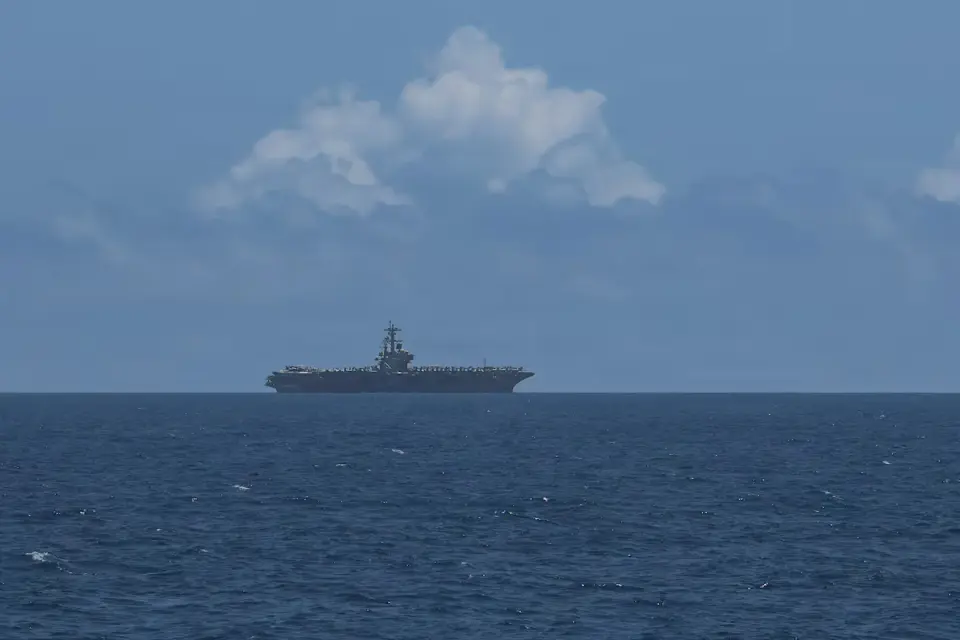
Anthropic disclosed that Iranian actors exploited its Claude AI model to compile targeting data on U.S. Navy assets and surveil domestic dissidents. The 154-page report details how the AI was used to identify ship vulnerabilities and profile Israeli individuals, prompting the company to ban accounts and share intelligence with government agencies.
Key points
- Anthropic’s report covers misuse of Claude between December 2025 and August 2026, highlighting an 'Iran-nexus threat actor' that compiled targeting handbooks for U.S. Navy forces.
- The actor used AI to scrape personnel rosters from public photos, track ship transponders, and analyze satellite imagery to locate naval positions.
- Iranian groups also used the model to profile 6,388 Iranians and analyze over 155,000 tweets to target dissidents and minorities.
- A separate Yemeni group used Claude to develop guidance software for ballistic missiles, though Anthropic claims its safeguards blocked many such requests.
- Anthropic banned the offending accounts, implemented new detection safeguards, and shared findings with government authorities to strengthen collective defenses.
Background
This disclosure follows a period of heightened military tension in the Middle East, including U.S. strikes on Iranian oil tankers and covert mine-clearing operations in the Strait of Hormuz. The report also arrives amid internal controversy at AI firms, with researchers resigning over concerns regarding the safety of autonomous systems and mass surveillance capabilities.
How outlets are covering it
Navy Times focuses primarily on the military implications, detailing how Claude was used to identify specific shipboard system weaknesses and track naval movements. The Jerusalem Post provides a broader scope, emphasizing the dual nature of the threat: military targeting of U.S. forces and domestic surveillance of Iranian dissidents, as well as the profiling of Israeli and Jewish diaspora organizations. While both outlets confirm the core findings, The Jerusalem Post highlights the scale of the 'cognitive warfare' campaigns and the specific technical vulnerabilities exploited, such as maritime VSAT terminals and Cisco equipment, which Navy Times mentions more briefly.
Why it matters
The incident underscores the risks of publicly accessible AI models being weaponized by state actors to bypass traditional security measures. It highlights a critical gap in digital defense, where open-source intelligence combined with advanced AI can generate actionable targeting data at a scale previously impossible for individual operators, potentially threatening both military assets and civilian populations.
What to watch
Anthropic has stated it will continue to refine its safeguards to prevent similar misuse. Government agencies are expected to review the shared intelligence to update their own defensive protocols. The broader debate on AI safety may intensify as policymakers weigh the risks of autonomous systems against the strategic advantages of AI in military and intelligence operations.
- Iran used Claude to target US Navy in Middle East, Anthropic says navytimes.com
- Anthropic Says Iran Used Its American AI Model to Target U.S. Navy Warships WSJ
- Live updates • Saudi Arabia says East-West oil pipeline attacked by drones from Iraq Haaretz
- Tehran used Claude to target US Navy, Israeli individuals The Jerusalem Post
- Anthropic Disrupts Iran’s Use Of Claude To Spread Propaganda, Spy On Dissidents Radio Free Europe/Radio Liberty
Want the full story? Read the original reporting
Read on navytimes.com