
Army narrows IFPC Increment 2 interceptor field to Lockheed and Boeing-Anduril
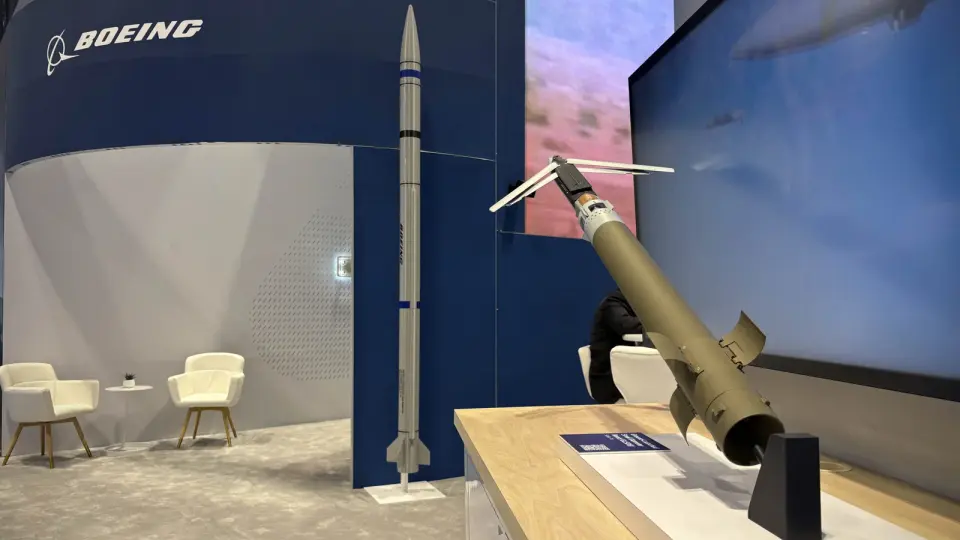
The U.S. Army has selected Lockheed Martin and a Boeing-Anduril team to advance to the developmental phase of the Indirect Fire Protection Capability (IFPC) Increment 2 program. This decision eliminates Rafael Systems from the competition. The new interceptor aims to fill the gap between short-range air defense and long-range systems like Patriot, specifically targeting cruise missiles and advanced drones. The Boeing-Anduril solution utilizes a solid rocket motor from Anduril’s Mississippi facility and Boeing’s seeker technology, emphasizing mass producibility and affordability. The program follows the initial IFPC Increment 2 award to Dynetics and RTX for the Enduring Shield launcher and AIM-9X Sidewinder, which lacked the range and capability for newer threats.
Key points
- Lockheed Martin and the Boeing-Anduril team are the only two competitors advancing to the second phase of the IFPC Increment 2 competition.
- Rafael Systems, the U.S. subsidiary of the Israeli defense firm, was eliminated from the competition.
- The program seeks a midrange interceptor to protect bases from cruise missiles and militarized unmanned aerial systems.
- The Boeing-Anduril design features a compact airframe, Boeing seeker technology, and a solid rocket motor supplied by Anduril Rocket Motor Systems.
- The next phase involves detailed design, system development, integration, and a competitive capability demonstration.
Background
The Army initially launched the IFPC Increment 2 program to address a capability gap identified during the use of the Enduring Shield launcher. In late 2024, the Army awarded the first interceptor contract to Dynetics (a Leidos subsidiary) and RTX for the AIM-9X Sidewinder. However, testing revealed that the AIM-9X could not effectively engage lower-flying, supersonic cruise missiles. Consequently, the Army initiated a search for a second, more capable interceptor in 2023. The current competition is part of a broader effort to modernize midrange air defense against emerging threats from China, Russia, and Iran, which have deployed mass-producible cruise missiles and drones designed to overwhelm traditional defense systems.
How outlets are covering it
Breaking Defense reports that the Army spokesperson confirmed the selection of Lockheed Martin and the Boeing-Anduril team, noting that Rafael was eliminated. Boeing’s press release emphasizes the affordability and scalable production of its interceptor, highlighting the use of Anduril’s solid rocket motor and Modular Open Systems Architecture. Anduril’s announcement focuses on the strategic importance of its Mississippi Solid Rocket Motor Complex, which it claims provides supply chain resilience and mass producibility. Tectonic Defense notes that while Boeing and Anduril have publicly announced their advancement, the Army has not disclosed whether other competitors, such as Lockheed Martin, have also advanced to the next phase, though Breaking Defense confirms Lockheed’s inclusion. All sources agree that the program aims to fill the gap between short-range point defense and long-range systems like Patriot and THAAD.
Why it matters
This development is critical for the U.S. Army’s ability to defend against modern aerial threats, particularly cruise missiles and advanced drones, which pose a significant risk to forward operating bases. The selection of mass-producible, affordable interceptors is essential for maintaining magazine depth and ensuring sustained defense capabilities in prolonged conflicts. The partnership between Boeing and Anduril also signals a shift toward agile industry teams and advanced manufacturing in defense procurement, potentially influencing future defense contracts and industrial base strategies.
What to watch
The selected teams will proceed to the developmental phase, which includes detailed design, system development, integration, and demonstration. A competitive capability demonstration will validate performance against Army requirements. The Army has indicated that additional information regarding the competitive effort will be released when appropriate. Lockheed Martin deferred queries about the decision to the Army, and Rafael did not respond to requests for comment. The next steps will likely involve further technical evaluations and potential contract awards for production.
- Army selects Lockheed, Boeing-Anduril team for next phase in IFPC Inc 2 competition Breaking Defense
- Boeing, Anduril midrange interceptor advances in U.S. Army competition The Boeing Company
- Anduril and Boeing Advance Interceptor for Integrated Fires Protection Capability (IFPC) Tectonic Defense
- Boeing, Anduril Team Moves Ahead in Race for New Interceptor RealClearDefense
- Boeing and Anduril's Midrange Interceptor Advances in U.S. Army Competition asdnews.com
Want the full story? Read the original reporting
Read on Breaking Defense