
Japan Fast-Tracks 3D-Printed Drone Interceptors to Counter Mass UAV Threats
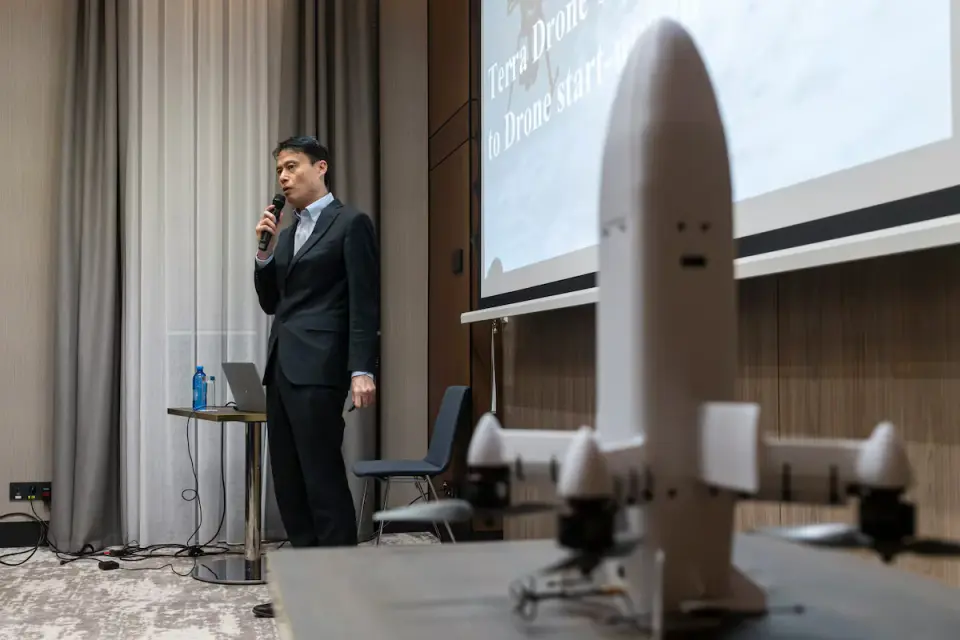
Japan’s defense agency has approved the mass production of the Terra B1, a 3D-printed interceptor drone, after it was the only system to pass a rapid demonstration trial. The move aims to deploy a large fleet by 2027 to counter low-cost attack drones like the Shahed, leveraging lessons from the war in Ukraine to protect critical infrastructure in the Indo-Pacific.
Key points
- Japan’s Acquisition, Technology, and Logistics Agency selected the Terra B1 for procurement after a three-month tender process, the fastest in recent history.
- The Terra B1 was the only candidate to successfully complete demonstration trials for the Maritime Self-Defense Force between July 15 and August 6, 2026.
- The system is designed to intercept inexpensive, long-range attack drones, offering a cost-effective alternative to expensive surface-to-air missiles.
- Production will utilize 3D printing to accelerate manufacturing, allow for rapid design modifications, and enable distributed manufacturing sites to mitigate supply chain risks from attacks.
- The first deliveries are expected as early as September 2026, with the technology potentially expanding to the Air and Ground Self-Defense Forces later.
Background
This development follows Japan’s earlier collaboration with Ukrainian firms on the Terra A1 and A2 interceptor drones, which have been deployed in Ukraine. The move aligns with broader global trends in drone defense, such as the US expanding Patriot interceptor stockpiles and Florida-based startups supplying cheap interceptors to the Middle East. Japan currently produces approximately 1,000 military-grade drones annually but aims to significantly scale up production to address potential mass unmanned attacks in the Indo-Pacific.
How outlets are covering it
Defense News emphasizes the strategic shift toward 3D printing for resilience and speed, noting that the technology allows Japan to adapt to evolving threats without delaying deployment. UNITED24 Media highlights the competitive aspect, noting that 38 companies submitted proposals but only four participated in trials, with the Terra B1 being the sole success. The Defense Post focuses on Japan’s broader air defense strategy, mentioning the development of the Close-Range Air Defense System (CRADS) which integrates missiles, autocannons, and laser weapons, suggesting a layered approach to countering drone swarms and ballistic missiles.
Why it matters
The approval of the Terra B1 signals a major shift in Japan’s defense procurement toward rapid, flexible, and cost-effective solutions. By adopting 3D printing and distributed manufacturing, Japan aims to build a resilient supply chain capable of withstanding potential attacks. This move is critical for protecting critical infrastructure in the Indo-Pacific against the threat of mass low-cost drone attacks, particularly from China, and reflects the growing importance of drone interceptors in modern air defense strategies.
What to watch
The first Terra B1 systems are expected to be delivered to the Maritime Self-Defense Force as early as September 2026. Terra Drone plans to expand production across multiple locations and potentially to local printing farms. The technology may later be adapted for use by the Air and Ground Self-Defense Forces, and Japan continues to accelerate plans to acquire and develop military unmanned aerial vehicles, including increasing cooperation with Ukraine.
- Japan approves mass production of 3D-printed interceptor drones Defense News
- Japan’s drone sprint poised to hit an industrial wall Asia Times
- Japan fast-tracks anti-drone system amid China’s military build-up South China Morning Post
- Japan Develops Air Defense System With Three Types of Weapons The Defense Post
- Only One Drone Passed Japan’s Interceptor Trials—It Was Built on Lessons From Ukraine UNITED24 Media
Want the full story? Read the original reporting
Read on Defense News