
MDA Launches Prototype Program for Mobile Radar to Counter Drone and Missile Threats
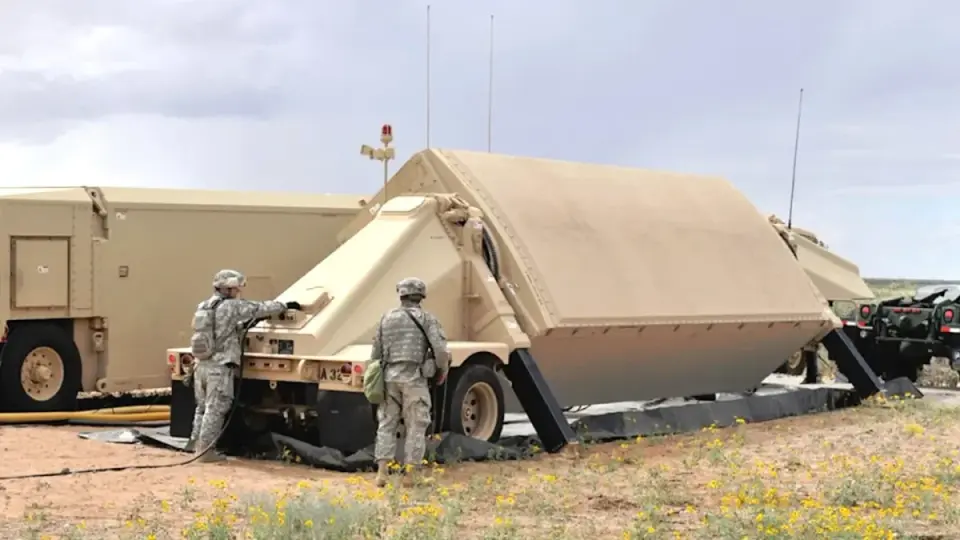
The U.S. Missile Defense Agency (MDA) issued a presolicitation for the 'Forward-Based Mode (FBM) Radar Next' to replace the vulnerable AN/TPY-2 system. This new initiative seeks a highly mobile, rapidly deployable radar capable of tracking hypersonic and ballistic missiles while surviving drone attacks. The move follows recent Iranian strikes on static radar sites in the Middle East, highlighting the need for agile sensors that can be quickly relocated via C-17 airlift and tactical vehicles. MDA plans to use Other Transaction Authority for rapid prototyping, aiming for a system that integrates with existing command networks and offers lower unit costs for high-volume production.
Key points
- MDA released a presolicitation for the FBM Radar Next to succeed the AN/TPY-2, which is currently used in Terminal High Altitude Area Defense (THAAD) systems.
- The new radar must be transportable via C-17 aircraft and tactical ground vehicles, with rapid setup and teardown times to maximize survivability against counterattacks.
- Iran’s recent destruction of at least one AN/TPY-2 radar in the Middle East served as a wake-up call, demonstrating the vulnerability of static and semi-mobile defense assets.
- The system must detect and track advanced threats, including hypersonic missiles, in contested electromagnetic environments while maintaining interoperability with Command and Control, Battle Management, and Communications (C2BMC) networks.
- MDA intends to use Other Transaction Authority for prototyping to bypass traditional contracting delays, with a goal of achieving rapid, high-volume production at an affordable unit cost.
- Current AN/TPY-2 units cost between $250 and $300 million each, with only 16 produced globally, making the new design’s focus on manufacturing ease and cost-efficiency critical for scalability.
Background
This development follows the 2026 Iran conflict, which severely depleted U.S. long-range missile stockpiles and exposed gaps in defensive infrastructure. Earlier reports indicated that the U.S. expended nearly its entire stockpile of ATACMS and PrSM missiles during the five-month war, prompting the Pentagon to seek $67 billion in emergency funding. The loss of radar assets in the Middle East has accelerated the push for more resilient, mobile sensor networks to protect against both high-end missile barrages and low-cost drone attacks, a trend also observed in the Ukraine conflict where static radar stations were targeted.
How outlets are covering it
While both The War Zone and DefenseScoop confirm the MDA’s presolicitation for the FBM Radar Next, they emphasize different aspects of the threat landscape. The War Zone focuses heavily on the immediate tactical vulnerability exposed by Iran’s strikes on static radars, arguing that the new system must counter long-range one-way attack drones and near-field threats that traditional missile defense matrices overlooked. It highlights the strategic implications of losing early-warning sensors for nuclear deterrence. DefenseScoop, in contrast, frames the initiative primarily as a response to hypersonic and advanced airborne threats, noting the MDA’s intent to use Other Transaction Authority for rapid prototyping and the potential for sole-source production awards. Both sources agree that the current AN/TPY-2 is insufficient for modern distributed operations, but The War Zone provides more detail on the specific damage to radars in Jordan and the UAE, while DefenseScoop outlines the multi-phase evaluation process for vendor selection.
Why it matters
The shift toward mobile radar systems reflects a fundamental change in U.S. defense strategy, moving away from static, high-value assets that are easily targeted by drones and missiles. This initiative is critical for maintaining effective missile defense in a contested environment where commercial satellite imagery and GPS-enabled drones have democratized precision targeting. Success in this program could determine the resilience of U.S. forward-deployed defenses against both peer competitors like China and non-state actors, ensuring that critical early-warning capabilities remain operational even under sustained attack.
What to watch
MDA will proceed with the presolicitation phase to identify vendors with demonstrated hardware maturity before entering formal prototyping. The agency has not disclosed a timeline for the formal solicitation but expects to use Other Transaction Authority to accelerate development. Future updates will likely include details on the specific technical requirements for the subscale and full-scale prototypes, as well as the criteria for downselecting vendors based on cost realism and operational feasibility. The outcome of this program will influence future budget requests for the 2027 Fiscal Year and potentially reshape the global deployment of U.S. missile defense assets.
Want the full story? Read the original reporting
Read on TWZ