
Venezuela Earthquake Aftermath: Families Search for Missing as Official Tolls Clash with Independent Estimates
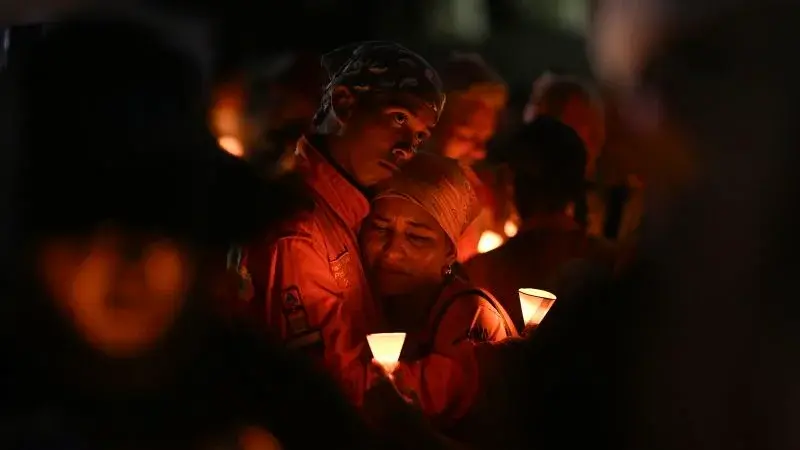
Months after the June 24, 2026, twin earthquakes in Venezuela, families in La Guaira continue searching for loved ones missing from collapsed government housing projects. While the government announced a final death toll of 6,509 on August 24, it has not released an official count of missing persons, leading residents to maintain their own records. Human rights groups report critical failures in body identification and chain of custody at makeshift morgues, with some families receiving remains that do not match their relatives. Independent estimates suggest the death toll may be significantly higher, ranging from 10,000 to 40,000, highlighting a deep crisis in transparency and disaster response.
Key points
- Eilyn Solano has sheltered in a tent for over 100 days near the collapsed OPP 26 housing complex, searching for her 11-year-old son, Jhoniel José Morales, who disappeared after the June 24 earthquakes.
- The Venezuelan government released a final death toll of 6,509 on August 24 but has not published an official tally of missing persons or responded to inquiries from CNN.
- Security camera footage showed Jhoniel leaving his apartment at 3:59 p.m. on June 24, but he has not been found despite searches at the site, streets, and cemeries.
- Human rights organization Cofavic reported critical chain-of-custody failures at the La Guaira silos, where families were forced to review hundreds of photos of decomposing bodies without support, leading to potential misidentification.
- Independent and international estimates place the death toll between 10,000 and 40,000, contrasting sharply with the official figure of 6,509.
Background
The June 24, 2026, earthquakes struck La Guaira, causing the collapse of several 12-story government housing blocks, including the OPP Caribe complex. This development, originally conceived under Hugo Chávez’s Misión Vivienda program, was intended to provide affordable housing but faced allegations of poor construction standards and political control. Earlier investigations by AP noted that these structures were built on unstable soil despite explicit seismic warnings. The current crisis follows a period of political transition, with acting President Delcy Rodríguez managing the aftermath amid skepticism about the interim government’s legitimacy and responsiveness.
How outlets are covering it
CNN and Mezha.net focus on the personal stories of families like the Solanos, emphasizing the lack of official missing-persons data and the community-driven search efforts. They highlight the government’s defense of its rescue response while noting the absence of official channels for reporting missing individuals. In contrast, the Sri Lanka Guardian, citing Der Spiegel, provides a broader political and structural context, detailing allegations of construction fraud, political coercion of residents, and the failure of the state to provide adequate rescue equipment. While CNN and Mezha.net present the government’s official death toll as a fixed point, the Sri Lanka Guardian notes civil society estimates of over 40,000 missing, suggesting a much larger scale of the disaster. All sources agree on the government’s lack of transparency regarding missing persons and the critical failures in body identification, but they differ in emphasis: CNN and Mezha.net focus on the immediate human toll and search efforts, while the Sri Lanka Guardian connects the disaster to long-standing political and structural issues in Venezuela’s housing and governance systems.
Why it matters
The ongoing search for missing persons and the discrepancies between official and independent death tolls highlight a severe failure in Venezuela’s disaster response and human rights protections. The lack of transparency and proper identification protocols has led to potential misidentification of remains, causing further trauma for families. This crisis also underscores the broader issues of political control and inadequate infrastructure in government housing projects, raising questions about the accountability of the interim government and the long-term impact on the community.
What to watch
Families are expected to continue their search efforts, relying on community support and volunteer networks. The government may face increased pressure to release official missing-persons data and improve its disaster response protocols. International organizations and human rights groups may continue to monitor the situation, potentially calling for independent investigations into the construction standards and the handling of remains. The political transition in Venezuela may also influence the response to the disaster, with potential changes in policy and resource allocation.
- Months after Venezuela’s earthquakes, families cling to hope in search of loved ones CNN
- Death Toll From Venezuela Quakes Likely Far Exceeds Official Count The New York Times
- How to face tragedy and still affirm God is your friend? The answer of a Venezuelan mother Catholic World Report
- Months after Venezuela’s earthquakes, families cling to hope as they search for loved ones Mezha.net
- Venezuela’s Socialist Housing Dream Collapses Sri Lanka Guardian
Want the full story? Read the original reporting
Read on CNN