
Nepal-Tibet Flood Toll Exceeds 1,000 as DNA Identification and Hydropower Rescues Intensify
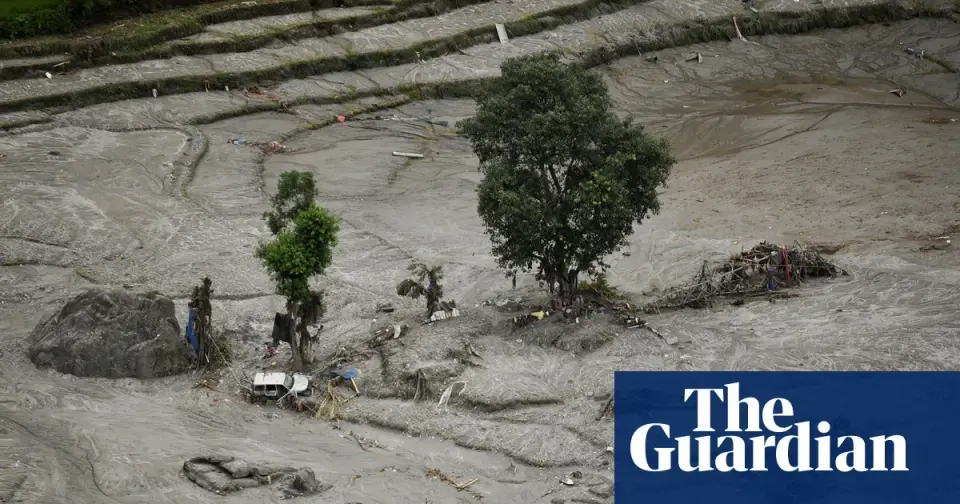
The death toll from the August 26 glacier-collapse floods in Nepal and Tibet has surpassed 1,000, with 4,400 people still missing. Prime Minister Balendra Shah reports over 11,000 rescued, but 600 remain trapped in hydropower stations. Authorities are urgently requesting DNA samples from relatives to identify victims, as many bodies have been buried due to decomposition and lack of storage space.
Key points
- Death toll exceeds 1,000 with 4,400 missing across Nepal and Tibet.
- 600 people remain trapped in hydropower stations, with 279 rescued so far.
- Nepal police request DNA samples and photos from relatives to identify victims.
- 592 foreigners, including tourists and pilgrims, are among the missing.
- Prime Minister Balendra Shah cites climate change as a key driver of the disaster.
Background
The disaster began on August 26, 2026, when a glacier collapse triggered massive floods and mudslides along the Nepal-Tibet border. Earlier reports indicated over 1,200 deaths in Nepal and 546 in Tibet, with entire towns washed away. The UN has warned that climate-driven glacier melt poses ongoing risks to millions in the region.
How outlets are covering it
The Guardian emphasizes the human toll and the logistical challenges of identifying victims, noting that hundreds of bodies have been buried due to decomposition and lack of morgue space. It highlights the emotional impact on families, such as Prakaiti Jurnj, who identified her father via a photo but remains unable to reach her village. Rediff focuses on the procedural aspect, detailing the Indian embassy’s nine-step repatriation process for foreign nationals, including DNA matching with first-degree relatives. While The Guardian notes that Chinese state media focuses on official response and downplays victim numbers, Rediff highlights the structured diplomatic effort to assist Indian citizens. Both sources agree on the scale of the disaster but differ in emphasis: The Guardian on the humanitarian crisis and climate implications, Rediff on the administrative and consular procedures for repatriation.
Why it matters
The disaster underscores the increasing vulnerability of the Himalayan region to climate change, with glacier instability causing catastrophic flooding. The scale of the tragedy, with over 1,000 deaths and thousands missing, highlights the need for improved disaster preparedness and international cooperation in the region. The ongoing rescue efforts and DNA identification process will take weeks, with long-term impacts on the local economy and infrastructure.
What to watch
Rescue efforts will continue to focus on the 600 people trapped in hydropower stations, though hope for survivors is diminishing. Authorities will continue to request DNA samples from relatives to identify the missing. International aid, including $42 million in assistance, will be directed toward rehabilitation and recovery. The government will likely push for stronger international attention on climate change risks in the Himalayas.
- Nepal-Tibet flood deaths pass 1,000 as police ask relatives for DNA to identify victims The Guardian
- As Nepal’s morgues fill, Parkrit hopes her DNA can be used to find her mother The Guardian
- India works with Nepal on repatriating flood victims' remains Rediff
- Hopes fade for survivors The Daily Star
- Hope fading for survivors a week after devastating flood in Nepal Reuters
Want the full story? Read the original reporting
Read on The Guardian