
Guinea Capital Conakry Suffers Deadly Landfill Collapse Amid Heavy Rains
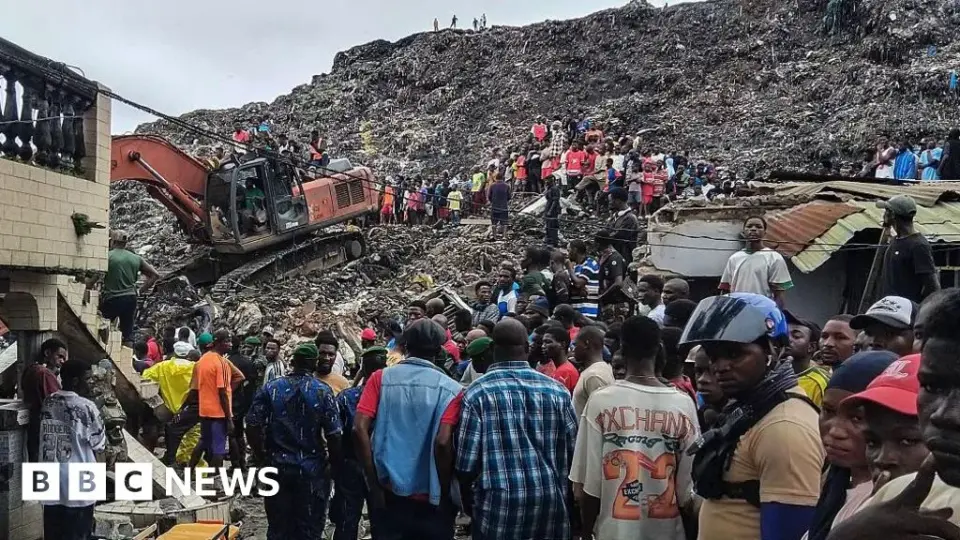
A massive waste pile collapsed in Conakry, Guinea, killing at least 31 people and injuring 22 after heavy rains triggered a landslide. The disaster struck the Dar-es-Salam neighborhood early Sunday morning, burying homes and residents. Military forces and excavators were deployed for rescue operations, though fears remain that the death toll will rise. The incident occurred just before the scheduled closure of the landfill site, prompting criticism from opposition leaders.
Key points
- At least 31 people died and 22 were injured, including six seriously, when a waste mound collapsed in Conakry's Dar-es-Salam area.
- The collapse occurred around 02:00 local time on Sunday, August 23, 2026, following heavy overnight rain.
- A second section of the landfill collapsed in three stages, burying rescue workers and residents who had attempted to help after the initial slide.
- Guinea's Prime Minister Mamadou Oury Bah visited the site to oversee search efforts, while the military deployed significant resources.
- The government had recently ordered residents near the site to evacuate, but many remained; the landfill was scheduled to close on the day of the disaster.
Background
Guinea has experienced similar tragedies at this specific site before, including a landslide in 2017 that killed 10 people. The current incident follows a period of heightened safety concerns, with authorities previously ordering the expulsion of nearby residents due to fears of structural failure. This disaster adds to a pattern of infrastructure-related risks in the capital, Conakry, where informal settlements often border hazardous waste sites.
How outlets are covering it
BBC and Al Jazeera both confirm the high casualty count and the involvement of military resources, though BBC reports 31 deaths while Al Jazeera cites at least 30. Both sources highlight the tragic timing, noting that the landfill was scheduled for closure on the day of the collapse. Opposition figure Cellou Dalein Diallo, cited by both outlets, criticized the authorities, calling the event a tragedy that plunges the nation into dismay and demanding transparency regarding the circumstances. BBC emphasizes the human toll, including a woman who lost five children, while Al Jazeera focuses on the government's official response and the military engineering battalion's role in the closure plans.
Why it matters
The disaster highlights the severe risks posed by inadequate waste management infrastructure in rapidly growing urban areas. It underscores the vulnerability of low-income communities living near hazardous sites and raises questions about the enforcement of safety evacuations. The incident may trigger broader scrutiny of urban planning and disaster preparedness in Guinea, particularly as the country continues to develop under President Mamadi Doumbouya's administration.
What to watch
Rescue teams are continuing to search through the waste for survivors, with expectations that the death toll may increase. The government has promised free medical care for the injured and support for affected families. Authorities are expected to investigate the causes of the collapse, particularly given that the site was slated for closure on the day of the incident. Public scrutiny will likely focus on why residents remained in the area despite previous evacuation orders.
- Guinea rubbish landfill collapse kills 30 in Conakry BBC
- At least 22 people killed in a landslide in capital of Guinea, officials say The Hill
- 22 dead after landslide at landfill in the capital of Guinea Yahoo
- Landfill collapse kills at least 22 in Guinea as rescuers search for survivors South China Morning Post
- Landfill collapse in Guinea kills at least 30 people Al Jazeera
Want the full story? Read the original reporting
Read on BBC