
Nepal-China Flood Toll Surpasses 800 as Barrier Lake Risks Recede
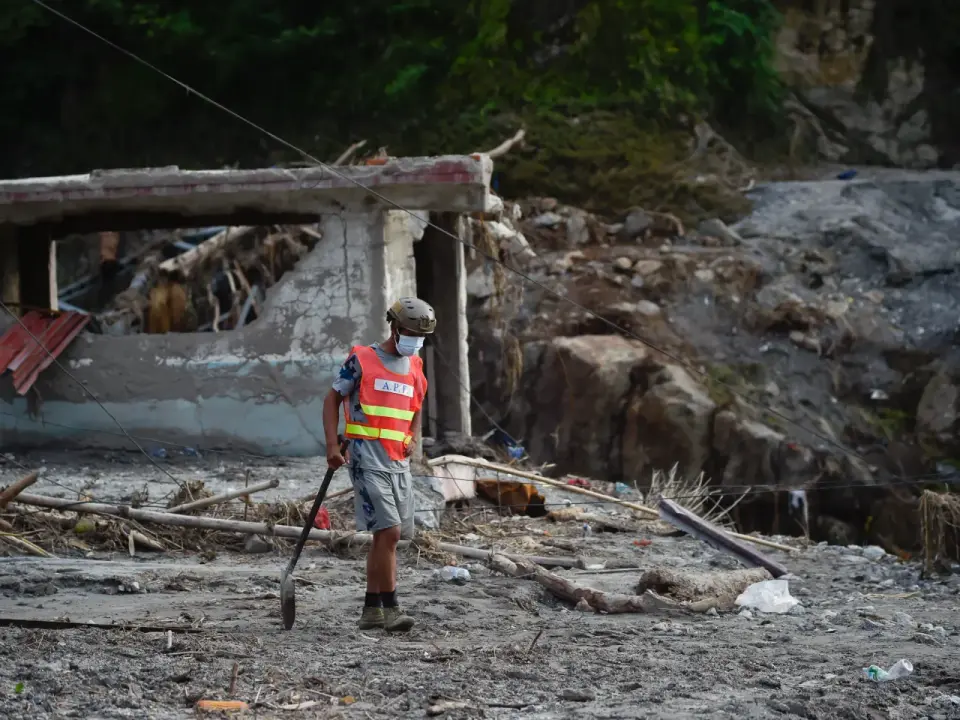
Rescue operations have resumed on both sides of the Nepal-China border after a temporary pause caused by fears of a secondary flood from a newly formed barrier lake. The death toll has risen to 800, with approximately 3,000 people still missing. Nepal’s disaster agency reports 788 deaths and 2,502 missing, while Chinese authorities report 16 deaths and 546 missing. Over 3,700 people have been rescued in Nepal. Specialized tunnel rescue teams from India and China are assisting in efforts to free workers trapped in hydropower tunnels. The US has pledged $3.6 million in aid. Experts warn that the barrier lake, which holds over two million cubic meters of water, remains unstable but is currently draining. Climate scientists note that rapid warming in the Himalayas is increasing the frequency of such extreme events.
Key points
- Death toll reaches 800, with 3,000 missing across Nepal and Tibet.
- Rescue operations resumed after barrier lake overflow stopped.
- Specialized tunnel rescue teams from India and China are deployed.
- US provides $3.6 million in humanitarian aid to Nepal.
- Climate change cited as a factor in increasing glacial instability.
Background
The disaster began on Wednesday when a glacier collapsed at 5,200 meters, triggering a massive landslide and flood that swept through Nepal’s Rasuwa, Nuwakot, and Dhading districts. The event raised the Trishuli River by 9 meters in 30 minutes. Initial reports suggested an earthquake trigger, but the US Geological Survey concluded the seismic signal came from the landslide itself. A barrier lake formed at the collapse site, prompting a temporary halt to rescue efforts. Previous archive coverage noted rising death tolls and missing persons, with international aid arriving from India, the UN, and other nations.
How outlets are covering it
Al Jazeera emphasizes the resumption of rescue operations and the request for specialist help from India and China to fill gaps in Nepal’s capabilities. BBC highlights the temporary suspension of rescue efforts in Tibet due to barrier lake overflow, which later stopped, allowing operations to resume. CBS News focuses on the rising death toll, poor weather hampering aerial rescues, and the plight of trapped workers in hydropower tunnels. CNN contextualizes the disaster within the broader trend of rapid infrastructure development in the Himalayas, noting that while the flood was not linked to manmade development, it highlights the risks of building in climate-vulnerable regions. All sources agree on the severity of the disaster and the need for international cooperation, but differ in emphasis: Al Jazeera and BBC focus on immediate rescue logistics, CBS on human impact and aid, and CNN on long-term infrastructure and climate risks.
Why it matters
The disaster underscores the growing risks of climate change in the Himalayas, where rapid warming is destabilizing glaciers and increasing the frequency of extreme events. It also highlights the challenges of infrastructure development in vulnerable regions, where hydropower projects and other developments may exacerbate risks. The international response, including specialized tunnel rescue teams and aid from multiple countries, demonstrates the need for regional cooperation in disaster management. The barrier lake’s instability serves as a warning of potential secondary disasters, emphasizing the importance of monitoring and early warning systems.
What to watch
Rescue operations are expected to continue as weather conditions improve. Authorities will monitor the barrier lake for further overflow or instability. International aid, including tunnel rescue teams and humanitarian supplies, will continue to arrive. Nepal and China are expected to share real-time hydrological data to improve monitoring and early warning systems. Long-term discussions on infrastructure safety and climate adaptation in the Himalayas may follow the disaster.
- Nepal and China resume flood rescue as death toll surpasses 600 Al Jazeera
- Nepal floods latest: Death toll jumps to 616 as search for survivors enters fourth day - follow live BBC
- Nepal flood death toll surpasses 600, with more than 3,000 missing, as poor weather hampers rescues CBS News
- Disaster Experts Say Nepal Glacier Collapse Was Difficult to Predict The New York Times
- The Himalayas are unpredictable. But countries are building there like never before CNN
Want the full story? Read the original reporting
Read on Al Jazeera