
Flores Earthquake Death Toll Reaches 47 as Rescue Teams Navigate Remote Terrain
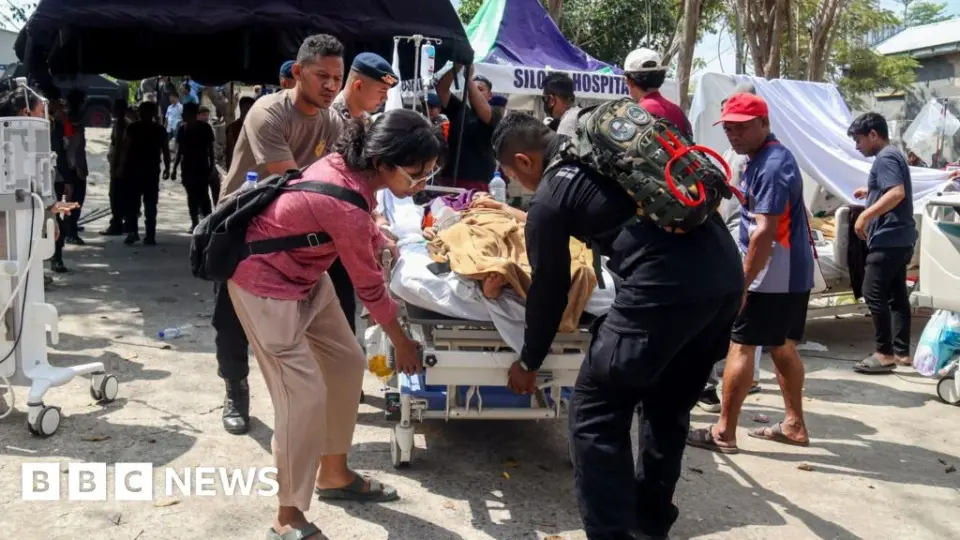
A magnitude 7.7 earthquake struck Indonesia's Flores island on Saturday, killing at least 47 people and causing widespread structural damage. While a tsunami warning was issued and later lifted, the remote and mountainous terrain has slowed the assessment of the full disaster scale. Rescue teams are actively working to free survivors from collapsed buildings, with aid packages arriving at base operations. The event highlights the seismic vulnerability of the region, which sits on the 'Ring of Fire' and has experienced multiple major earthquakes in recent months.
Key points
- At least 47 people have died, with 24 fatalities in Manggarai province and 17 in East Manggarai, according to the National Disaster Management Agency (BNPB).
- The quake struck at a depth of 15km shortly before 05:00 local time, triggering a tsunami warning that was lifted after three hours when no significant sea level rise was detected.
- Over 150 houses and dozens of public facilities, including schools and hospitals, have been severely damaged, with concrete debris reported at the Maumere port terminal.
- Rescue operations are hampered by landslides blocking access to villages, though 10,500 aid packages have reached base operations.
- A second magnitude 6.9 earthquake struck the other end of Indonesia, underscoring the region's seismic instability.
Background
This event follows a series of major seismic disasters in 2026. In August, a 7.4-magnitude earthquake in western Colombia killed over 224 people, and in June, back-to-back quakes in Venezuela killed more than 6,000. The European Commission has offered Copernicus satellite imagery to aid Indonesia's rescue efforts, echoing international support seen in the Colombia response. Indonesia's location on the 'Ring of Fire' makes it prone to frequent earthquakes, with the 2004 Sumatra quake being the deadliest on record.
How outlets are covering it
BBC and CNN both emphasize the immediate human toll and the logistical challenges of the remote terrain. BBC highlights the specific death toll by province and the collapse of the Maumere port, while CNN focuses on the initial tsunami warning and the USGS estimate that 500,000 people were exposed to severe shaking. NBC News provides a resident's account of the port collapse and confirms the lack of tsunami threat to Australia. All sources agree on the magnitude (7.7) and the location (Flores), but differ in the immediacy of the tsunami threat; CNN and NBC note the initial warning, while BBC confirms it was lifted. The Yahoo source is largely technical code and does not provide substantive news content, so it is excluded from the synthesis of perspectives.
Why it matters
The disaster underscores the ongoing seismic risks in Indonesia and the challenges of disaster response in remote, mountainous regions. The rapid succession of major earthquakes in 2026, from Venezuela to Colombia to Indonesia, highlights the global vulnerability of the 'Ring of Fire' and the importance of international aid and early warning systems. The tsunami warning, though lifted, caused mass evacuations, demonstrating the potential for panic and secondary risks during seismic events.
What to watch
Rescue teams will continue to search for survivors as the full extent of the damage is assessed. BNPB advises residents to stay away from coastal areas and damaged structures. The arrival of additional aid packages and potential international support, such as the EU's Copernicus satellites, will be critical in the coming days. Further aftershocks may complicate rescue efforts and infrastructure assessment.
- Rescuers search for survivors of powerful Indonesia earthquake BBC
- Dozens dead and hundreds flee after powerful earthquake hits Indonesia CNN
- Magnitude-7.7 quake hits off coast of Indonesia, killing at least 47 NBC News
- Dozens killed after powerful Indonesia earthquake Yahoo
- 2nd earthquake hits Indonesia following powerful magnitude 7.7 quake ABC News - Breaking News, Latest News and Videos
Want the full story? Read the original reporting
Read on BBC