
Two Workers Rescued Alive from Nepal Hydropower Tunnel Nine Days After Floods
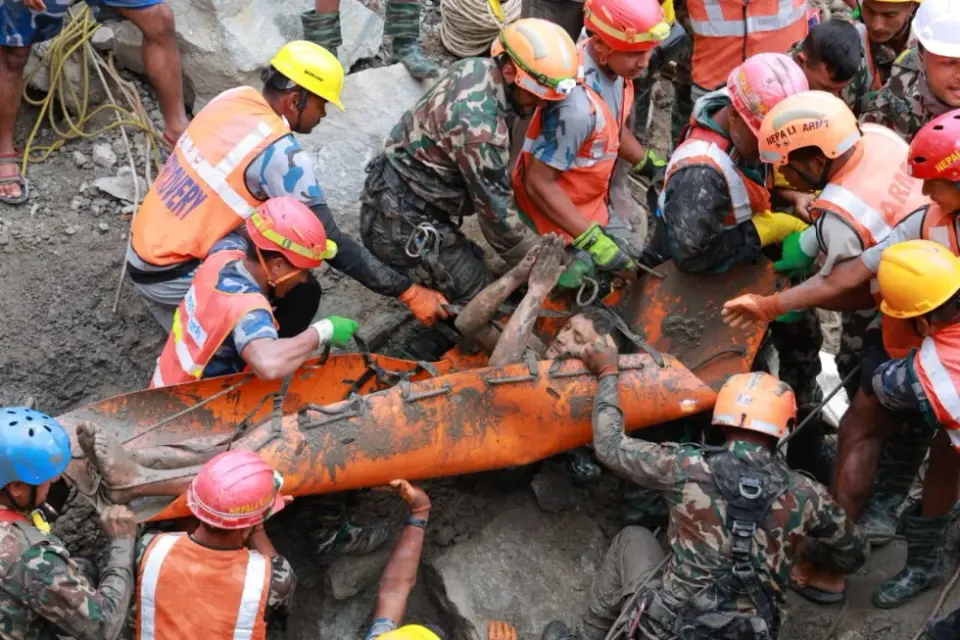
Rescuers pulled two workers alive from the Trishuli 3A hydropower tunnel in Nepal on September 4, nine days after catastrophic floods triggered by a glacier collapse. The men, identified as a foreman and a supervisor, were extracted from a depth of 170 meters and flown to Kathmandu in stable condition. Officials confirmed voices from inside the tunnel prior to the rescue, raising hopes for the remaining 115 workers believed trapped in the main tunnel. The disaster has killed at least 1,259 people, with over 5,000 missing across Nepal and Tibet.
Key points
- Two workers, Sanjay Shah and Kabir Maharjan, were rescued alive from the Trishuli 3A tunnel on September 4, 2026, nine days after the flood.
- The men were extracted from a depth of 170 meters and transported to a hospital in Kathmandu in stable condition.
- Rescuers heard voices from inside the tunnel on Friday morning, confirming the presence of survivors before the extraction.
- At least 115 workers are believed to be trapped in the main tunnel of the Trishuli 3A project, with 557 total workers missing from the site.
- The floods, likely caused by a glacier collapse on the Nepal-China border, have killed at least 1,259 people and left over 5,000 missing.
Background
The August 26 floods, triggered by a glacier collapse, devastated hydropower projects along the Trishuli and Bhote Koshi rivers. Previous reports indicated that rescue teams were drilling into tunnels and pumping air to reach trapped workers, with over 270 people rescued across various sites by early September. Families of missing workers have been gathering at hospitals in Kathmandu for nine days, awaiting news. The disaster has also affected the Tibet side of the border, where 21 people were killed and 541 remain missing.
How outlets are covering it
AP News and The Guardian both confirm the rescue of two workers from the Trishuli 3A tunnel, noting the emotional relief of families and the stable condition of the survivors. The Guardian provides additional detail on the rescue process, including the depth of 170 meters and the workers' accounts of their ordeal, such as Shah's decision to stay and help others. Both outlets emphasize the ongoing hope for more rescues, citing officials' statements. AP News highlights the broader context of the disaster, including the death toll and missing persons, while The Guardian focuses on the human element and the specific challenges faced by the trapped workers.
Why it matters
The rescue of two workers after nine days offers a glimmer of hope in a devastating humanitarian crisis. It underscores the resilience of survivors and the effectiveness of rescue operations in extreme conditions. The ongoing search for the remaining trapped workers highlights the urgent need for continued international support and resources. The disaster also raises concerns about the vulnerability of infrastructure in the Himalayas to climate change and the need for improved safety measures in hydropower projects.
What to watch
Rescue teams will continue operations to reach the remaining 115 workers believed trapped in the Trishuli 3A tunnel. Officials will monitor the condition of the tunnels and the health of the rescued workers. The broader search for missing persons across Nepal and Tibet will continue, with international teams providing support. Families of the missing will continue to await news, and authorities will provide updates on the rescue efforts and the overall disaster response.
- One trapped worker rescued alive from a tunnel in Nepal, official says AP News
- Nepal-China floods latest: Rescues underway as two men pulled alive more than a week after disaster CNN
- 2 trapped workers rescued from a hydropower tunnel 9 days after Nepal floods NPR
- How engineers in a WhatsApp group are guiding Nepal's tunnel rescue efforts reuters.com
- Nepal-Tibet flash flood: Two workers pulled alive from hydropower tunnel nine days after disaster The Guardian
Want the full story? Read the original reporting
Read on AP News