
Healey faces £35bn fiscal gap as Iran war inflates UK budget risks
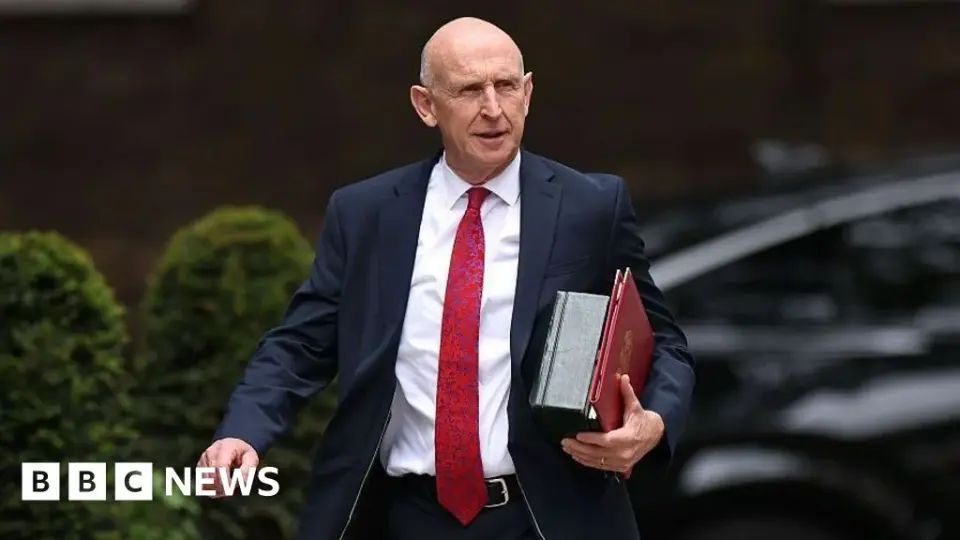
The Institute for Fiscal Studies (IFS) warns that Chancellor John Healey’s October 28 Budget is at risk of becoming a 'work of fiction' if he fails to address a £35bn spending gap caused by inflation from the US-Israel war in Iran. While Healey promises fiscal discipline, the IFS argues that doing nothing will erode public service budgets, forcing difficult choices between tax hikes and spending cuts.
Key points
- The IFS estimates the UK government needs an extra £25bn in 2029-30 to maintain departmental budgets against inflation, rising to £35bn if defence spending reaches 3% of GDP.
- Healey’s fiscal 'headroom' is projected to shrink to £20bn by 2029-30, down from the £24bn buffer expected in the Spring Statement.
- The IFS criticizes the strategy of penciling in unrealistic future cuts to meet fiscal rules, warning that this undermines credibility with bond markets.
- Healey stated his Budget will provide 'breathing space' for households while maintaining fiscal discipline, despite rising energy and mortgage costs.
Background
This follows earlier concerns about the cost-of-living impacts of the Iran conflict, including US sanctions and the partial closure of the Strait of Hormuz. The current fiscal pressure compounds previous debates over pension triple lock changes and social care funding under PM Andy Burnham.
How outlets are covering it
The BBC and Financial Times (FT) both highlight the IFS warning that a 'do-nothing' Budget is not viable. The FT provides more granular detail, specifying the £35bn gap includes £11bn for defence and £24bn for other services, while the BBC focuses on the broader threat to public services. The Guardian offers no analysis, instead soliciting public input on financial concerns. Conservative shadow chancellor Andrew Griffith opposes tax rises, advocating for welfare cuts instead, whereas Lord Jim O’Neill emphasizes long-term fiscal discipline over short-term buffer sizes.
Why it matters
The outcome of the Budget will determine whether the UK can maintain public service funding amid rising inflation and debt interest costs. A failure to address the spending gap could lead to reduced service quality or significant tax increases, impacting household finances and market confidence.
What to watch
Healey is expected to present his Budget on October 28, with the IFS urging credible spending envelopes. The government may defer some decisions to the Spring Statement or Spending Review, but the IFS warns that deferring risks losing bond market confidence. Healey will also attend the IMF/World Bank meetings in Bangkok this week to discuss global fiscal challenges.
- Iran war threatens Healey's Budget plans, think tank warns BBC
- Healey Needs £35 Billion to Meet UK Spending Plans, IFS Says Bloomberg.com
- Tell us your financial hopes and concerns ahead of the budget The Guardian
- Five things in John Healey’s budget, including a reality check The Times
- Healey’s Budget will be ‘fiction’ without plan for £35bn hole in spending, IFS warns Financial Times
Want the full story? Read the original reporting
Read on BBC