
UK Budget Faces Fiscal Cliff as Bond Markets Demand Spending Cuts
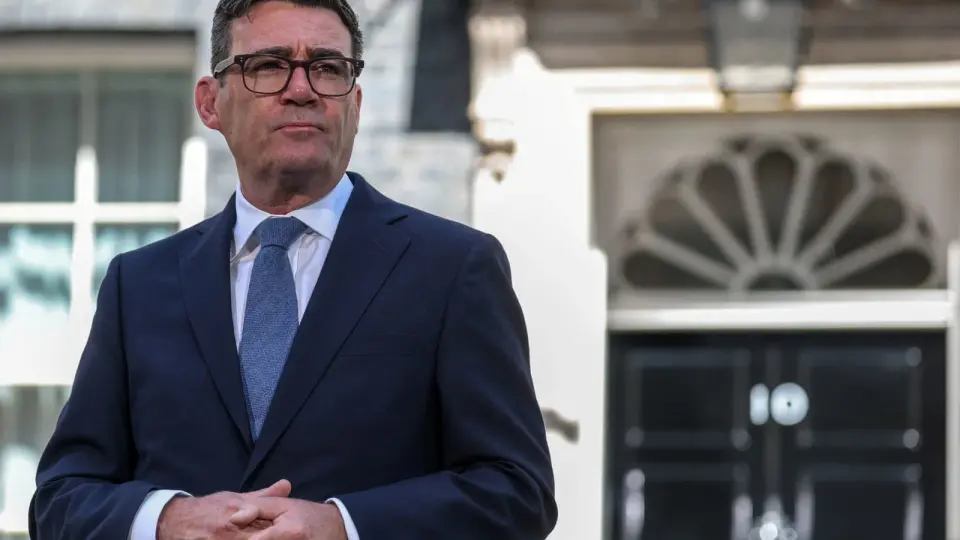
The UK government faces a critical fiscal test on October 28, with former Bank of England chief economist Andy Haldane warning that the nation is on 'thin ice' due to high borrowing costs and sticky inflation. Prime Minister Andy Burnham and Chancellor John Healey must balance a pledge not to raise main taxes with the need to appease bond markets by cutting public spending. While the government seeks to fund defense and social care, analysts suggest reliance on smaller tax measures like capital gains tax and bank levies may be insufficient to stabilize the economy.
Key points
- Andy Haldane, former Bank of England chief economist, warned that the UK is on 'thin ice' ahead of the October 28 Autumn Budget, citing high borrowing costs and sticky inflation.
- Haldane stated that the government must curb public spending to appease financial markets, noting that Prime Minister Andy Burnham remains 'in hock' to bond traders unless action is taken.
- Chancellor John Healey aims to create a fiscal buffer against uncertainty, but faces constraints from Labour's pledge not to raise income tax, VAT, or employee national insurance.
- The Office for Budget Responsibility (OBR) is expected to dominate the Budget narrative, with its forecasts on growth and borrowing costs potentially overshadowing the government's policy announcements.
- Potential tax measures include increases in capital gains tax, a securities transfer tax, and bank levies, while the triple lock on state pensions is set to be retained for the current Parliament.
Background
The UK's fiscal position has deteriorated significantly since the 2024 election, with the country now facing the highest government borrowing costs in the G7. Previous attempts to cut welfare spending under Rachel Reeves faced political backlash, leading to a 'hostile environment' for government borrowers. The current administration, led by Burnham, has struggled to balance left-leaning priorities with market expectations, as seen in the surge of gilt yields earlier this year. The Bank of England has also raised concerns about AI-related debt and leverage in bond markets, adding to the complexity of the fiscal landscape.
How outlets are covering it
CNBC emphasizes the urgency of spending cuts, with Haldane arguing that the government's failure to act on public spending is its 'Achilles' heel.' The Financial Times, through Ben Nunn, suggests that the government should not be buffeted by OBR forecasts but should use them to justify radical action, framing the Budget as a test of storytelling ability. Osborne Clarke provides a technical analysis, noting that Healey is constrained by manifesto pledges and may rely on smaller tax measures like CGT and bank levies, while deferring fundamental reforms. The Telegraph's access issue prevents a direct comparison, but its absence highlights the fragmented nature of coverage on this topic.
Why it matters
The outcome of the Autumn Budget will determine the UK's ability to stabilize its economy and maintain market confidence. If the government fails to address borrowing costs and public spending, it risks a fiscal crisis that could trigger a sharp market correction. The Budget also sets the tone for future fiscal policy, with implications for defense spending, social care, and the cost of living for households. The interplay between the government's political priorities and market expectations will shape the UK's economic trajectory for years to come.
What to watch
The Autumn Budget is scheduled for October 28, with the OBR expected to release its forecasts on the same day. The government will need to announce specific measures to fund defense and social care while adhering to its pledge not to raise main taxes. Investors and markets will closely watch for signals of fiscal discipline, particularly regarding public spending cuts and potential tax hikes on banks and capital gains. The outcome will likely influence gilt yields and the Bank of England's future rate decisions.
- Britain is on 'thin ice,' warns ex-Bank of England chief economist — and it must act to 'appease financial markets' CNBC
- Burnham’s Budget must not be overshadowed by the OBR Financial Times
- Andy Burnham must ‘take knife to public spending’ to calm bond markets The Telegraph
- What to Do Ahead of the UK Budget? It’s Simple Bloomberg.com
- Autumn Budget 2026: what tax measures can the UK expect? Osborne Clarke
Want the full story? Read the original reporting
Read on CNBC