
Jason Arday's Death Exposes the Escalating Weaponization of Plagiarism Accusations
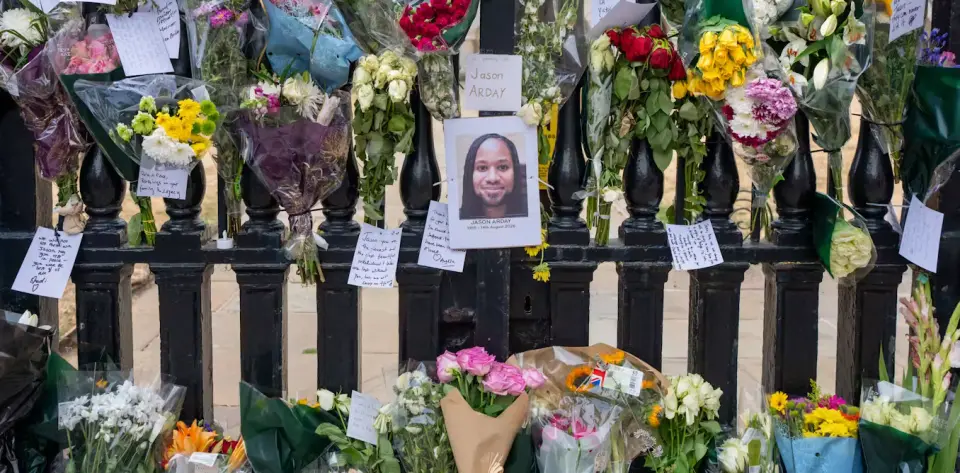
Jason Arday, the youngest Black professor in Cambridge's history, was found dead in London on Aug. 14, 2026, days after resigning amid plagiarism allegations. While Arday denied the claims, attributing errors to autism, his accuser Nathan Cofnas was suspended by Ghent University for discriminatory conduct. The incident highlights how plagiarism accusations are increasingly used as political weapons to undermine credibility, a trend exacerbated by AI and shifting cultural standards on originality.
Key points
- Jason Arday was found dead at his London home on Aug. 14, 2026, nine days after resigning from his Cambridge professorship.
- Plagiarism allegations emerged after Nathan Cofnas used Copyleaks to find 'substantial overlap' between Arday's 2015 dissertation and a 2009 thesis.
- Arday denied the accusations, claiming they were motivated by racism and that his errors stemmed from autism.
- Ghent University suspended Cofnas on Aug. 20, 2026, pending an investigation into his discriminatory statements and actions.
- The controversy sparked a broader debate on how plagiarism accusations are weaponized in culture wars and the impact of AI on the definition of originality.
Background
Arday had previously faced scrutiny over his life story and academic credentials, but his appointment to Cambridge in 2023 was widely celebrated. The current controversy follows a pattern of public shaming in academia, where allegations of misconduct can lead to rapid professional collapse. The archive notes that Arday's death prompted vigils and calls for reflection on racism in academia, while Cofnas's suspension highlighted the tension between academic freedom and responsible conduct.
How outlets are covering it
The Conversation frames the incident as part of a broader trend where plagiarism accusations are used to undermine ideological opponents, noting the historical shift from imitation to strict originality. The New York Times focuses on the institutional response, highlighting Ghent University's suspension of Cofnas as a 'precautionary measure' and noting his prior controversial views on race and intelligence. The Guardian emphasizes the personal toll on Arday, citing his family's statement about a 'campaign of sustained abuse' and the mayor of London's condemnation of the 'public hounding.' City Journal offers a critical perspective, arguing that Arday's elevation was a form of 'tokenism' and that his scholarly record was insubstantial, regardless of the plagiarism claims. These outlets disagree on the primary cause of the crisis: The Conversation and The Guardian emphasize the malicious intent and discriminatory motivation of the accusers, while City Journal questions the validity of Arday's appointment and the integrity of his work.
Why it matters
The case illustrates the severe personal and professional consequences of public plagiarism accusations in the digital age. It raises questions about the role of AI in defining originality and the potential for such allegations to be used as political tools. The incident also highlights the need for balanced institutional responses that protect both academic integrity and individuals from harassment, while addressing the underlying cultural and racial dynamics in academia.
What to watch
Ghent University will continue its investigation into Nathan Cofnas's conduct. Cambridge University and Glasgow University are expected to complete their internal inquiries into Arday's academic credentials and the circumstances surrounding his appointment. The publication of Arday's memoir, 'Great and Unfortunate Things,' is scheduled for later in 2026, which may further fuel debate about his life story and academic record. The case may also lead to broader discussions about the use of plagiarism detection tools and the ethical boundaries of public scrutiny in academia.
- Jason Arday and the new politics of plagiarism The Conversation
- The Controversial Academic Who Ignited the Jason Arday Furor WSJ
- Academic Who Publicized Plagiarism Allegations Against Jason Arday Is Suspended The New York Times
- Jason Arday, professor at centre of Cambridge plagiarism row, found dead The Guardian
- The Arday Tragedy: from Tokenism to Wokenism City Journal
Want the full story? Read the original reporting
Read on The Conversation