
Arday Memoir Draws Scrutiny for Plotlines Mirroring Soap Operas and Films
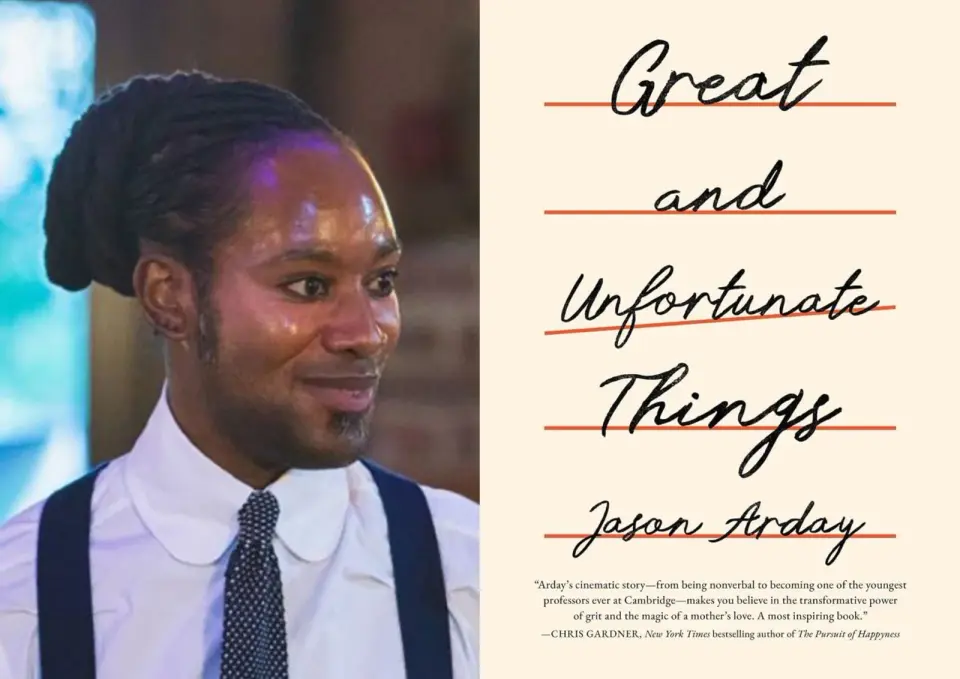
Jason Arday’s memoir, 'Great and Unfortunate Things,' has been published by Simon & Schuster despite his recent resignation from Cambridge University amid plagiarism allegations. A review by the Washington Free Beacon suggests the book’s narrative closely mirrors plotlines from popular TV shows and movies, including 'Spartacus,' 'Neighbours,' and 'Forrest Gump.' While Arday claims a life of extreme hardship and resilience, critics argue he may have borrowed fictional arcs to construct his biography. The controversy has intensified scrutiny of his academic credentials and personal history, with former classmates offering conflicting accounts of his childhood behavior.
Key points
- Simon & Schuster released Arday’s memoir in the US on Tuesday, with a UK edition scheduled for August 27, despite his resignation from Cambridge.
- The Free Beacon found that Arday’s claimed life events, such as surviving cancer, coma, and brain surgery, align with storylines from shows like 'Spartacus' and 'Neighbours.'
- Arday’s claim of being mute until age 11 is contradicted by former classmates who recall him as a chatty child who enjoyed making jokes and imitating voices.
- Cambridge’s vice-chancellor Deborah Prentice announced an independent investigation into Arday’s appointment, involving external academics, while Durham and Glasgow universities also review his past tenures.
- Autism researchers noted that individuals on the spectrum may engage in 'scripting,' where fictional narratives bleed into real-life perceptions, but cautioned against equating this with deliberate fabrication.
Background
Jason Arday, who resigned from Cambridge in August 2026, was previously celebrated as the university’s youngest Black professor. His departure followed accusations of academic plagiarism and serial fabulism. Earlier reports indicated that Arday canceled promotional events for his memoir and that his name was removed from several professional listings. The case has become a focal point in debates over diversity, equity, and inclusion in higher education, with some viewing it as a symbol of meritocracy failures and others as an isolated instance of misconduct.
How outlets are covering it
The Washington Free Beacon presents a critical view, arguing that Arday’s memoir plagiarizes plotlines from entertainment media, suggesting a pattern of fabrication. In contrast, The Washington Post offers a more nuanced perspective, suggesting the scandal is not simply a case of 'DEI gone wrong' but part of a broader pattern of universities protecting flawed professors. The Guardian highlights conflicting testimonies from former classmates, with some supporting Arday’s claim of childhood muteness and others recalling a vocal, humorous child. Inside Higher Ed focuses on the institutional response, noting Cambridge’s decision to review hiring processes. Autism researchers, cited by the Free Beacon, provide a psychological context, suggesting that 'scripting' and parasocial bonds with fictional characters might explain the blending of fantasy and reality, though they caution against assuming Arday genuinely confused the two.
Why it matters
This case raises significant questions about academic integrity, the reliability of personal narratives in professional appointments, and the role of media in shaping public perception of individuals. It also highlights the challenges universities face in vetting candidates and the potential consequences of failing to do so. The controversy has broader implications for debates on diversity and inclusion in academia, with some arguing that Arday’s case undermines the credibility of such initiatives, while others warn against using a single case to discredit broader efforts. Additionally, the involvement of a major publisher like Simon & Schuster raises questions about editorial oversight and the responsibility of publishers in verifying the accuracy of memoirs.
What to watch
Cambridge’s independent investigation into Arday’s appointment is expected to yield findings that will inform changes to senior appointment processes. The UK edition of Arday’s memoir is scheduled for release in late August, and it remains unclear whether the publisher will issue corrections or retractions. Arday has canceled promotional events, and his name has been removed from several professional listings. The outcome of the investigation and the public response to the memoir will likely influence future discussions on academic integrity and the role of personal narratives in professional appointments.
- Fallen Cambridge Star Jason Arday’s ‘True Life’ Memoir Appears To Poach Life Events From His Favorite Soap Operas, ‘Spartacus,’ and ‘Forrest Gump’ freebeacon.com
- Opinion | The Jason Arday scandal isn’t as simple as DEI gone wrong The Washington Post
- Takeaways From Jason Arday’s Memoir The New York Times
- ‘Always cracking jokes’: questions raised over Jason Arday’s claim he was non-verbal as a child The Guardian
- Cambridge to Review Hiring Processes After Arday Scandal Inside Higher Ed
Want the full story? Read the original reporting
Read on freebeacon.com