
England injects £500m into schools to avert teacher strike, but pension funding sparks union fury
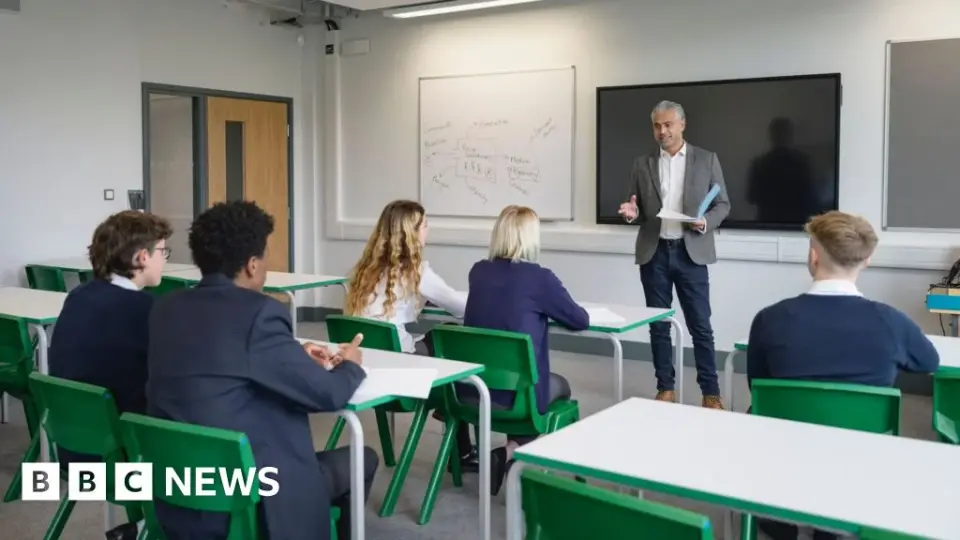
The UK government has allocated approximately £500 million in additional funding to English schools to cover the 3.5% teacher pay rise for 2026-27, aiming to prevent a strike ballot by the National Education Union. While the move is welcomed by most unions as a solution to budget shortfalls, the GMB union has condemned the funding source as a raid on support staff pensions. The government asserts the money comes from reduced employer pension contributions, a claim disputed by critics who argue it shifts costs to the poorest-paid staff.
Key points
- The Department for Education confirmed an extra £500 million for schools to fund the 3.5% teacher pay award, which was previously expected to be partly covered by existing school budgets.
- The National Education Union (NEU) called the funding a 'significant' step, potentially cancelling a formal strike ballot that was due to begin on 3 October and close on 15 December.
- The funding is derived from a 4.9 percentage point drop in employer contributions to the Local Government Pension Scheme, which the government states will not reduce pension benefits for support staff.
- The GMB union, representing over 100,000 support staff, described the move as 'disgusting' and a theft from the poorest-paid workers in education to fund teacher wages.
- Independent economists at the Institute for Fiscal Studies noted that this funding closes a 1% shortfall, leaving schools £1.6 billion better off than expected by next year.
- The pay award is back-dated to 1 September 2026, with the average teacher salary rising to over £52,800, followed by a 3% increase in 2027.
Background
This development follows a July decision by ministers to accept a 3.5% pay rise for teachers, which was initially funded by £700 million in 2026-27 and £1.1 billion in 2027-28. Earlier in the year, an indicative NEU ballot showed 90% of voting teachers supported industrial action over pay and funding. The current crisis highlights ongoing tensions between central government funding mechanisms and the financial pressures faced by individual school budgets, a theme seen in other recent education disputes, though the specific issue of pension contribution reductions is new to this cycle.
How outlets are covering it
The BBC reports that the NEU and other unions like the NASUWT and Association of School and College Leaders welcomed the funding as a 'welcome return to reality' and a 'better position' for schools, though they emphasized the need for sustainable long-term investment. In contrast, the GMB union, which represents support staff, fiercely opposed the funding source, calling it 'disgusting' and accusing the government of 'stealing' from the poorest-paid workers. The government's official blog asserts that the pension contribution reduction does not reduce benefits for support staff and that the savings will remain with schools to cover both teacher and support staff costs. Labour’s shadow education secretary, Laura Trott, questioned whether the money was truly new or simply replaced savings already built into budgets, while Liberal Democrat spokesperson Caroline Voaden criticized the stress caused to schools during the negotiation process. The Institute for Fiscal Studies provided a neutral analysis, confirming the funding closes the current shortfall but noting the ongoing intensity of budget pressures.
Why it matters
The resolution of the teacher pay dispute prevents potential strikes in early 2027, ensuring continuity in education for millions of pupils. However, the controversy over the funding source highlights deepening divisions within the education sector, particularly between teachers and support staff. The reliance on pension contribution reductions raises questions about the long-term sustainability of school funding and the fairness of the distribution of costs across different groups of education workers. This decision sets a precedent for how future pay awards will be funded and may influence future negotiations with other public sector unions.
What to watch
The NEU national executive will meet on 24 September to decide whether to cancel the formal strike ballot. The pay award will go through a 12-week consultation period before the School Teachers' Pay and Conditions Document is published in mid-October. The GMB union is meeting the Education Secretary to voice its concerns about the pension funding. Schools will continue to implement the pay award, back-dated to 1 September 2026, while monitoring the impact on their overall budgets.
- Schools in England get extra £500m in bid to avoid teachers' pay strike bbc.com
- School support staff pensions raided for teachers' wage rise GMB Union
- Pay rise funding claims ‘misleading’, say school finance chiefs schoolsweek.co.uk
- Education secretary’s pension cut to fund teacher pay ‘disgusting’ The Times
- Teacher pay: everything you need to know about the latest multi- year pay award GOV.UK blogs
Want the full story? Read the original reporting
Read on bbc.com