
Inquiry urges broad societal action to address educational gaps for white working-class youth
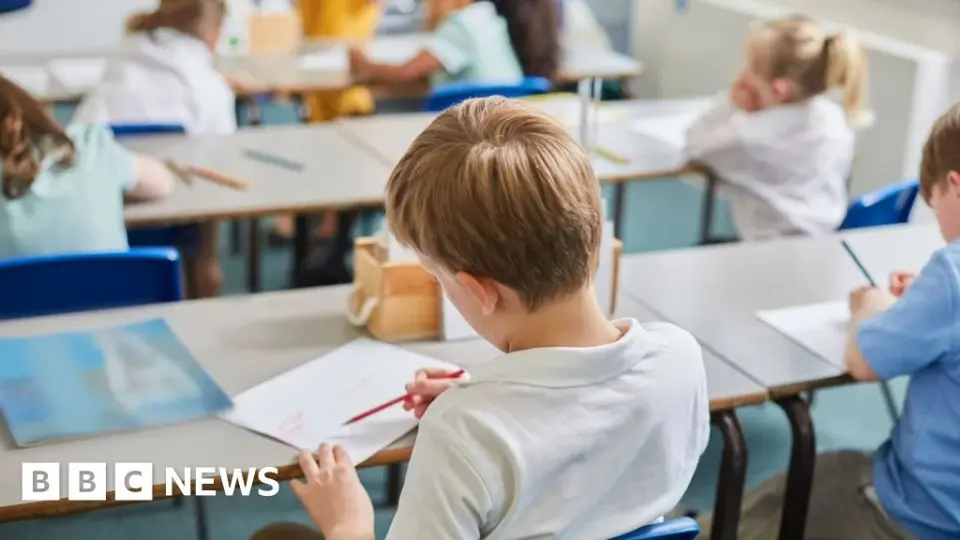
An independent inquiry into educational outcomes for white working-class children in England has called for action from across society, not just schools, to address systemic disadvantages. The next phase of the review will focus on early years and teenagers aged 14 to 19, aiming to improve transitions into further education and employment. Education Secretary Lucy Powell backed the initiative, citing a need to address barriers that leave many young people not in education, employment, or training. The inquiry, commissioned by Star Academies and supported by the Department for Education, analyzed data on 1.25 million pupils receiving free school meals, finding growing belief that the current system does not guarantee success. It noted that the true scale of disadvantage is likely larger, as previous data excluded low-income families not receiving free meals, a gap now addressed by Universal Credit eligibility changes.
Key points
- The Independent Inquiry into White Working Class Educational Outcomes, co-chaired by Baroness Morris, concluded that 'once-in-a-generation' reforms are needed to fix a system not serving white working-class children.
- The next phase of the inquiry will focus on early years children and teenagers aged 14 to 19, with a specific research program investigating routes into further study and employment for older students.
- Education Secretary Lucy Powell stated she is backing the inquiry to address barriers holding children back, noting that too many white working-class pupils are falling behind at every stage of their education.
- The inquiry analyzed data on 1.25 million young people in England who are white British and in receipt of free school meals, finding a growing belief among families that the education system does not guarantee future success.
- Baroness Morris emphasized that addressing these issues is not just the responsibility of schools but requires action from 'across society,' including government, colleges, and community organizations.
- The inquiry acknowledged that the true scale of white working-class disadvantage is likely substantially larger than the data suggested, as it previously excluded low-income families not receiving free school meals, a gap now closed by Universal Credit eligibility changes.
Background
This development follows earlier political discussions regarding the working-class base, such as Senator Bernie Moreno's warnings about the Republican Party's reliance on working-class voters in the US, and President Trump's campaign efforts in Ohio's working-class counties. While those events focused on political loyalty and economic strain in the US, the current inquiry addresses structural educational inequalities in England. Additionally, the push for new technical routes aligns with broader efforts to address the 'Neet' population, as highlighted by former minister Alan Milburn's interim report, which found that children not school-ready at age four or five are nearly three times as likely to be Neet by ages 16 to 17.
Why it matters
The inquiry's findings highlight a critical gap in educational outcomes for a significant demographic, suggesting that current policies are insufficient to ensure social mobility. By expanding the scope of support to include early years and older teenagers, the inquiry aims to address root causes of disadvantage rather than just symptoms. The call for societal action implies that education policy must be integrated with broader social and economic strategies to effectively reduce inequality and improve employment prospects for white working-class youth.
What to watch
The next phase of the inquiry will develop practical recommendations for government, schools, colleges, and other organizations. A research program will investigate the routes taken by teenagers aged 14 to 19 into further study and employment. Additionally, a final report by former minister Alan Milburn is expected in the coming weeks, setting out recommendations for tackling the issue of young people not in education, employment, or training.
Want the full story? Read the original reporting
Read on BBC