
EU Delays Methane Rules Amid US Lobbying and Energy Crisis
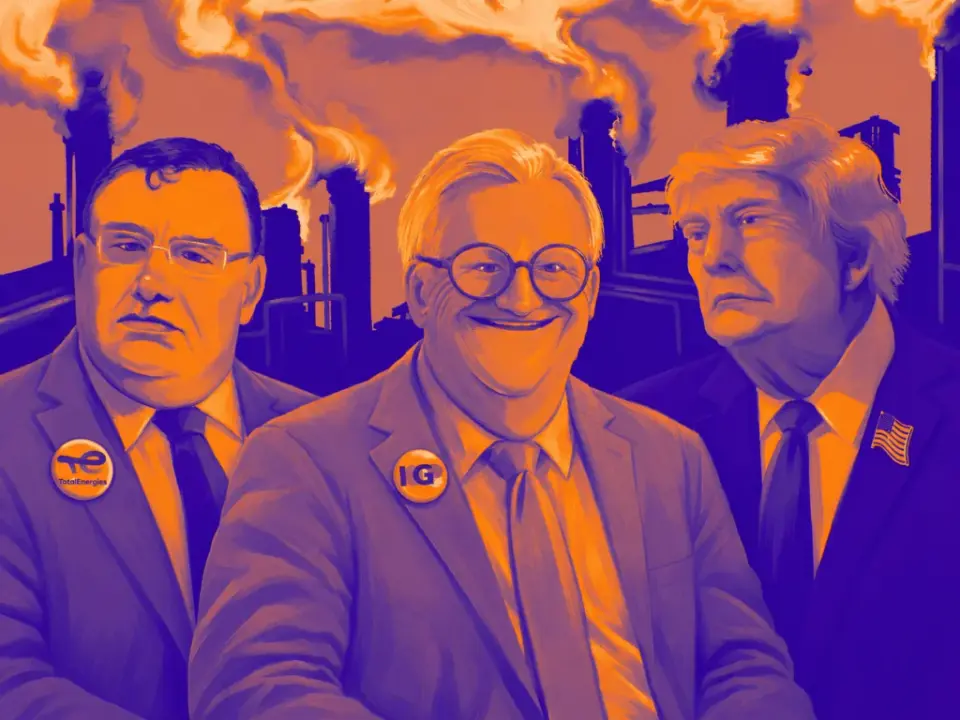
The EU Council endorsed a one-year delay for the EU Methane Regulation, pushing compliance from January 2027 to January 2028. This move follows intense lobbying by the US government and fossil fuel groups, including TotalEnergies, which argued the rules threaten energy security. While the Commission proposed the delay to ease administrative burdens, the European Parliament seeks a three-year postponement. Critics argue the delay undermines climate goals, while supporters cite rising energy prices due to the Iran war.
Key points
- The Council of the EU endorsed a one-year delay for the EU Methane Regulation, shifting the start date from January 2027 to January 2028.
- The European Parliament previously voted for a three-year delay, creating a legislative conflict that requires further negotiation.
- François-Régis Mouton, a TotalEnergies executive and IOGP director, met with US officials, including the National Energy Dominance Council, to oppose the regulation.
- US Ambassador Andrew Puzder and Energy Secretary Chris Wright publicly supported delaying the rules, citing potential energy supply risks.
- The European Commission justified the delay by citing market volatility and energy price spikes caused by the conflict in the Middle East.
- A study by the DIW think tank estimates that a three-year delay could cause 40,000 premature deaths and cost the EU €185 billion in benefits.
Background
The EU Methane Regulation was adopted in August 2024, aiming to reduce emissions from oil and gas supply chains. Methane is a potent greenhouse gas, with a warming effect 80 times stronger than CO2 over 20 years. The regulation was intended to take effect in January 2027, but faced opposition from fossil fuel lobbies and the US administration, which had recently rolled back its own methane rules. The delay occurs amidst rising energy prices due to the Iran war and concerns over gas supply security.
How outlets are covering it
DeSmog and Vert highlight the role of TotalEnergies and the IOGP in coordinating with the Trump administration to delay the rules, noting Mouton's social media posts supporting climate denial. EUobserver emphasizes the Commission's internal struggle to balance industry pressure with climate goals, citing documents that show attempts to offer technical fixes. Freshfields notes the legal procedure for the delay, stating that existing deadlines remain in force until the final text is enacted. ÉcoPolitika points out that the delay is not final, as the Parliament may push for a longer postponement, and notes that the Commission could grant two additional one-year delays if preparatory measures are not met. The US Mission to the EU stated it supports reducing methane but argues the compliance process is unclear, while the IOGP claims it backs the regulation's objectives but seeks a delay for clarity.
Why it matters
The delay affects the EU's ability to reduce methane emissions, a key strategy for slowing climate change. It also raises questions about the influence of fossil fuel lobbies and transatlantic coordination on EU policy. The decision impacts energy security and costs, with estimates suggesting significant economic and health consequences if the rules are delayed. It reflects broader tensions between climate action and energy security in the context of global conflicts and rising energy prices.
What to watch
The Council of the EU and the European Parliament must negotiate the final decision on the delay. The Commission must report on preparatory measures by September 2027; if not ready, further delays may be granted. The IOGP and other lobbies will continue to advocate for a three-year delay, while climate advocates push for strict implementation. The outcome will influence future EU climate policies and transatlantic energy relations.
- How a French Oil Executive Is Working With the Trump Administration to 'Kill' Europe's Methane Plan DeSmog
- [Investigation] How the EU’s methane rules came undone, and ended up giving Trump exactly what he wanted EUobserver
- ESG Insights - November 2026 Freshfields
- The EU Council wants to give oil and gas importers a one-year delay in reporting methane emissions ЭкоПолитика
- EU methane rule delay draws opposition from 50 environmental groups at COP31 MLex
Want the full story? Read the original reporting
Read on DeSmog