
Paks Nuclear Plant Avoids Final Shutdown as Danube Levels Stabilize
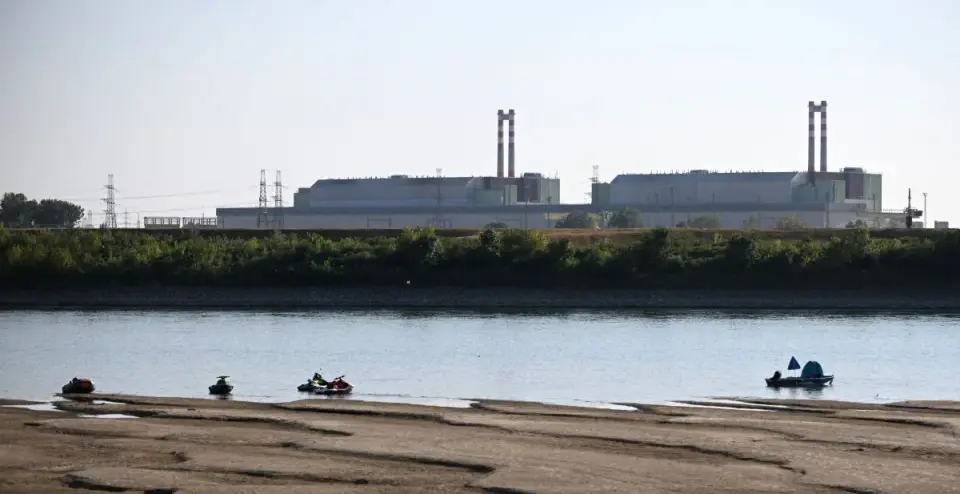
Hungary’s sole nuclear power plant, Paks, narrowly avoided a complete shutdown on Tuesday morning after Danube water levels rose slightly. Prime Minister Péter Magyar reported that the facility was just millimeters away from a total halt at 1:30 a.m. but recovered as flows increased to nearly 750 cubic meters per second. While the plant remains online, the region faces ongoing risks from extreme heat and drought, with Austria and Romania also experiencing significant energy disruptions.
Key points
- Paks Nuclear Power Plant avoided a full shutdown on Tuesday morning after Danube water levels rose by 1.5 centimeters, reaching approximately 750 cubic meters per second.
- Prime Minister Péter Magyar stated the plant was 'a few millimetres away' from a complete shutdown at 1:30 a.m. but the last remaining turbine is now operating safely.
- The Danube’s record-low flows, which dropped to 723 cubic meters per second, threaten cooling systems for nuclear reactors in Hungary and Romania.
- Romania previously used controlled explosions to divert water to its Cernavoda plant, while Austria faces impaired hydropower output due to the same drought conditions.
- The European Commission is monitoring the situation and may convene a regional discussion to coordinate operational responses if conditions worsen.
Background
This development follows a severe energy crisis in early August 2026, when Paks was forced to shut down entirely due to insufficient cooling water, causing a 25–30% drop in Hungary’s energy output. Romania also declared a state of emergency after shutting down two reactors. The current stabilization represents a temporary reprieve from the worst impacts of the European heatwave and drought.
How outlets are covering it
Euractiv emphasizes the technical precision of the near-miss, highlighting the specific millimeter-level margin that prevented a shutdown. CNN frames the event within the broader context of a continental energy crisis, noting that while Paks avoided closure, the region remains in 'uncharted territory' with no rain forecast. Both sources agree that the situation is critical, but CNN places greater weight on the long-term risks of the heatwave, whereas Euractiv focuses on the immediate operational relief and potential EU coordination.
Why it matters
The stability of the Paks plant is crucial for Hungary’s energy security, as it supplies nearly half of the country’s electricity. A shutdown would have triggered a severe energy crisis, potentially requiring industrial curbs and increased reliance on imports. The incident underscores the vulnerability of nuclear infrastructure to climate-driven droughts and the need for regional cooperation in managing water resources.
What to watch
Authorities will continue to monitor Danube water levels closely, as forecasts predict flows may remain below historical norms in early August. The European Commission may convene a regional discussion to coordinate responses if conditions deteriorate. Hungary is urging continued energy conservation to mitigate potential future disruptions.
- Hungary avoids nuclear shutdown by 'millimetres' as Danube rises euractiv.com
- Ships Can’t Move and Power Plants Shut Down as Drought Saps Europe’s Rivers WSJ
- Record-low Danube River levels put Hungary's only nuclear plant on brink of shutting down CBS News
- Hungary’s only nuclear plant on brink of shutdown as Europe heat wave threatens energy crisis CNN
- As the Danube Hits Record Lows, Every Centimeter of River Counts Bloomberg.com
Want the full story? Read the original reporting
Read on euractiv.com