
Saudi Pipeline Shutdown Deepens Oil Crisis as Diplomatic Talks Collapse
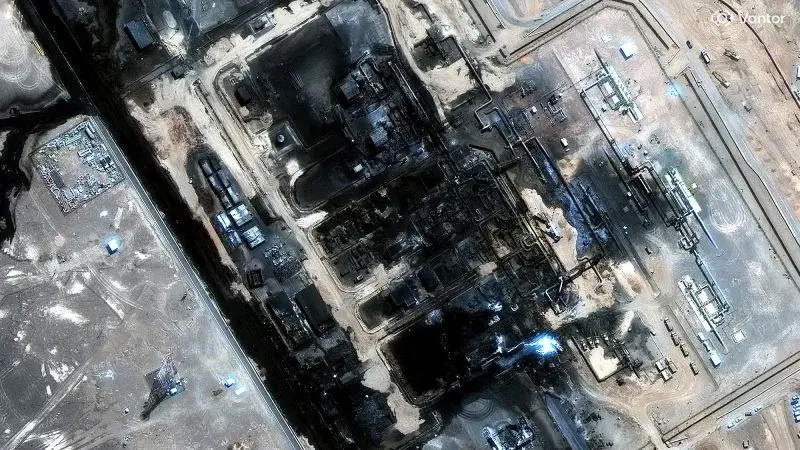
Saudi Arabia has closed its critical East-West pipeline after drone attacks from Iraq damaged the infrastructure. This shutdown removes a key bypass for oil exports around the Strait of Hormuz, causing crude prices to spike and straining global supply. The move has triggered a diplomatic crisis, with a planned meeting between Iran and Gulf states postponed, leaving Riyadh in a state of strategic shock amid escalating regional conflict.
Key points
- The Saudi East-West pipeline, capable of moving 7 million barrels per day, was shut down as a precaution after drones launched from Iraq damaged it on Thursday.
- Crude oil prices surged, with Brent crude rising 3.1% to $107.87 per barrel and U.S. West Texas Intermediate futures up 2.8% to $102.87 per barrel.
- A diplomatic meeting scheduled for Monday in Oman between Iran, Saudi Arabia, and other Gulf states was abruptly postponed by Oman’s Foreign Minister due to the lack of consensus.
- The pipeline is vital for bypassing the Strait of Hormuz, where the U.S. and Iran are battling for control, and its closure threatens to exacerbate global oil supply disruptions.
- Houthi militants in Yemen have escalated attacks on Saudi energy facilities and civilian assets, injuring over 70 people, and have seized strategic positions in the Bab el-Mandeb Strait.
Background
This development follows a series of recent escalations in the Middle East. Earlier reports indicated that diesel prices had already surged to record highs due to tightening supply routes through Hormuz and Bab el-Mandeb. Satellite imagery from earlier this week revealed severe damage to a pumping station on the pipeline, with analysts warning that without the line, Yanbu exports could be sustained for only 5-7 days. The current shutdown represents a critical escalation in the ongoing conflict between the U.S. and Iran, which has already triggered significant disruptions in global energy markets.
How outlets are covering it
CNN frames the pipeline shutdown as a critical event for the global oil market, emphasizing the strategic importance of the line. The New York Times highlights the 'worst-case scenario' for Saudi Arabia, noting the kingdom's frustration with President Trump's reluctance to confront the Houthis and the failure of diplomatic efforts with Iran. CNBC focuses on the immediate market impact, detailing the price spikes and the logistical challenges of bypassing Hormuz. While all sources agree on the severity of the situation, they differ in emphasis: CNN and CNBC focus on market mechanics and supply, while the New York Times focuses on the diplomatic and strategic fallout for Saudi Arabia.
Why it matters
The shutdown of the East-West pipeline removes a crucial buffer against supply disruptions in the Strait of Hormuz. With the pipeline offline, global oil markets face increased volatility, and the postponement of diplomatic talks suggests a deepening of the geopolitical crisis. This could lead to prolonged high energy prices, impacting inflation and global economic stability, while also highlighting the vulnerability of critical energy infrastructure in the region.
What to watch
The immediate focus will be on the repair timeline for the pipeline, which could range from days to six weeks. Diplomatic efforts to resume talks between Iran and Gulf states will be crucial in determining whether the situation de-escalates. Additionally, the security situation in the Strait of Hormuz and Bab el-Mandeb will remain precarious, with potential for further attacks on tankers and energy facilities. The global oil market will continue to react to any developments in the region, with prices likely to remain volatile.
- Saudi Arabia has shut a critical oil pipeline. Here’s why it matters for the global oil market CNN
- Saudi Arabia Faces ‘Worst-Case Scenario’ After Iran’s Attacks and Trump’s Rebuffs The New York Times
- Saudi Arabia may be just days away from not being able to export much oil MarketWatch
- Oil prices rise after Saudi Arabia shuts down critical pipeline that bypasses Strait of Hormuz cnbc.com
- Oil Pipe Bypassing Hormuz to Reopen ‘Soon,’ US Energy Chief Says bloomberg.com
Want the full story? Read the original reporting
Read on CNN