
Danube Drought Forces Nuclear Shutdowns and Military Explosions Across Europe
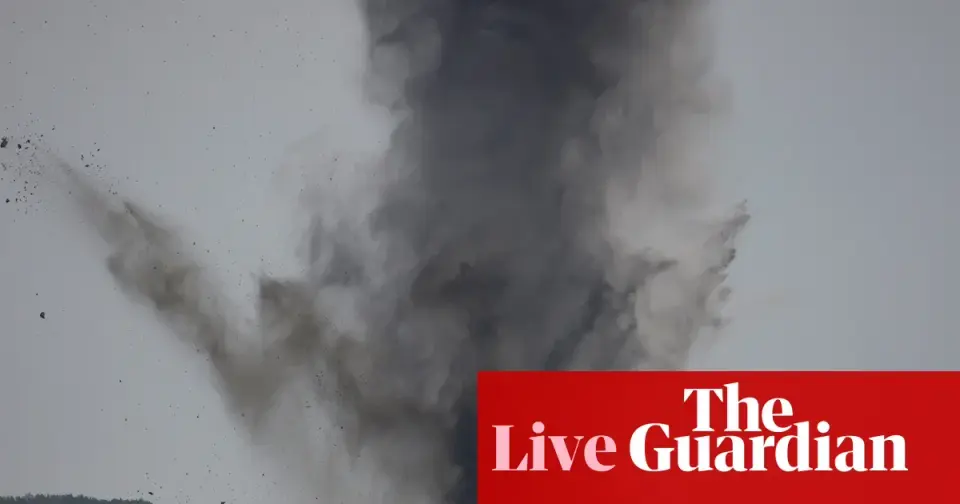
Record-low water levels in the Danube River have triggered a severe energy crisis across Central and Eastern Europe. Romania’s military detonated 180 kg of explosives to redirect water flow to the Cernavodă nuclear plant, while Hungary’s Paks facility, which supplies nearly half the country’s electricity, faces a complete shutdown for the first time in 44 years. Industrial production has halted, and governments are enforcing mandatory energy conservation measures.
Key points
- Romanian naval forces used 180 kg of explosives to blast rocks in the Danube’s Bala Canal, aiming to redirect water to the Cernavodă nuclear plant for cooling.
- Hungary’s Paks nuclear plant, which provides nearly 50% of the nation’s electricity, is producing only 240 MW compared to its usual 2,000 MW capacity.
- Carmakers Dacia and Ford suspended production in Romania until August 19 to reduce energy demand during peak hours.
- The Danube’s water flow in Romania has dropped to 1,500 cubic meters per second, less than a third of its July average.
- Hungary’s Prime Minister Péter Magyar warned that the 'hardest five days' are ahead, with temperatures expected to exceed 38°C and no significant rainfall forecast.
Background
This crisis follows a series of extreme heatwaves in Europe, with earlier reports indicating that Hungary had already shut down the Paks plant due to insufficient cooling water. The current situation marks a escalation, with Romania declaring a nationwide state of emergency and Hungary facing potential total shutdown of its sole nuclear facility. Previous coverage highlighted the EU's monitoring of the situation and the potential for a 25-30% hit to Hungary's energy output.
How outlets are covering it
The Guardian emphasizes the dramatic military intervention in Romania, highlighting the use of explosives to save the nuclear plant, while noting that the plant may still need to suspend operations. AP News focuses on the broader regional impact, detailing how multiple governments are conserving electricity and how the Danube's levels in Budapest have dropped to 10 cm, well below the 2018 record. CNN highlights the unprecedented nature of the crisis, noting that water is becoming as critical an energy commodity as gas, and points out that even after a shutdown, the Paks plant would still require water to prevent a nuclear accident. All sources agree on the severity of the drought and the potential for widespread energy shortages, but differ in their emphasis on the specific actions taken by each country.
Why it matters
The energy crisis threatens to disrupt industrial production, increase electricity prices, and potentially lead to blackouts across Central and Eastern Europe. The reliance on the Danube for cooling nuclear plants highlights the vulnerability of Europe's energy infrastructure to climate change. The crisis also underscores the need for regional cooperation and investment in alternative energy sources to ensure energy security.
What to watch
Hungary expects the Paks plant to be fully powered down by Tuesday or Wednesday, with water levels unlikely to rise in the coming weeks. Romania may need to temporarily suspend operations at the Cernavodă plant if water levels do not improve. Governments are expected to continue enforcing mandatory energy conservation measures and may seek further regional imports to meet demand.
- South-eastern Europe faces heatwave energy crunch as Romania detonates Danube rock to increase water flow – as it happened The Guardian
- Romania blasts rock to divert water from drought-hit Danube to nuclear reactor The Guardian
- Record low Danube levels push some countries in Eastern Europe to the brink of energy emergency AP News
- Hungary to shut sole nuclear plant for first time on Sunday dw.com
- Hungary’s only nuclear plant on brink of shutdown as Europe heat wave threatens energy crisis CNN
Want the full story? Read the original reporting
Read on The Guardian