
Saudi Arabia Shifts Oil Exports to Mediterranean via Sumed Pipeline Amid Houthi Red Sea Blockade
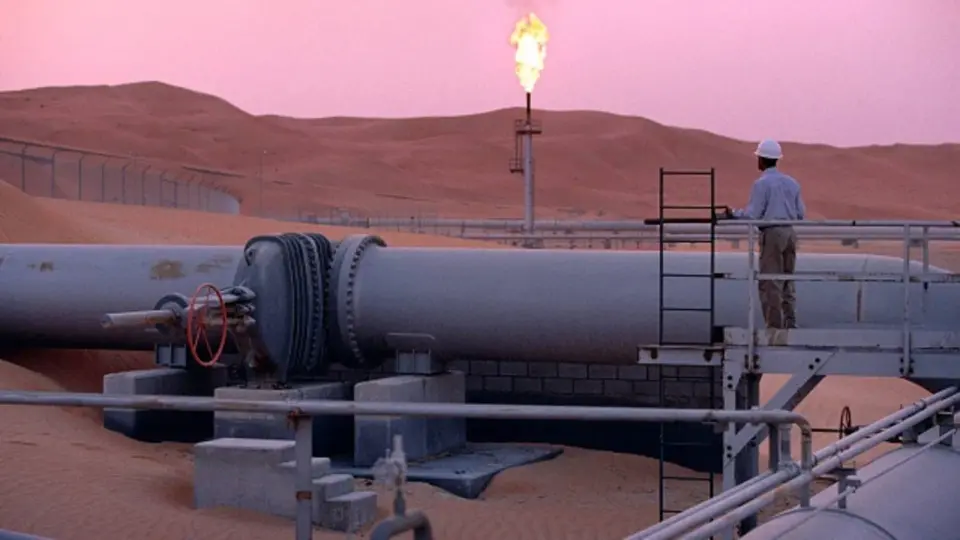
Saudi Arabia has significantly increased oil exports through the Sumed pipeline to the Mediterranean to bypass Houthi attacks in the Red Sea. Exports from Egypt’s Sidi Kerir port doubled to 2.3 million barrels per day in August, but Asian customers are avoiding the longer route around Africa, shifting demand to Europe.
Key points
- Saudi oil exports via Egypt’s Sidi Kerir port doubled to 2.3 million barrels per day in August, up from 1 million in July, according to Kpler.
- The Sumed pipeline connects the Red Sea port of Ain Sokhna to Sidi Kerir, allowing tankers to bypass Houthi-controlled waters in the Bab el-Mandeb Strait.
- Saudi exports through Bab el-Mandeb fell 90% to 1.3 million barrels in early August after the Houthis declared a maritime embargo on July 20.
- The Mediterranean route adds 25 days to the journey for Asian customers, making it less cost-effective; most redirected oil is now going to the U.S. and Europe.
- Lloyd’s List reports that vessel traffic through Bab el-Mandeb has stabilized at 24% below pre-blockade levels, as shipowners adapt to the new security environment.
Background
This shift follows a series of Houthi attacks on Saudi oil infrastructure and shipping in late July 2026, including strikes on Aramco facilities in Yanbu and Jazan. The Houthis declared a maritime embargo on Saudi shipping in the Red Sea, exacerbating existing tensions in the Strait of Hormuz. Previous coverage noted that Saudi Arabia had already rerouted oil through the Yanbu port to mitigate Hormuz disruptions, but the Houthi blockade now threatens the southern Red Sea route as well.
How outlets are covering it
CNBC emphasizes the strategic and long-term nature of Saudi Arabia’s pivot to the Sumed pipeline, citing Kpler’s Matt Smith as describing it a 'distinct change in strategy.' It highlights the economic inefficiency for Asian customers, who are now buying less Saudi crude via this route, potentially causing a 'domino effect' where West African crude shifts to Asia. Lloyd’s List, in contrast, focuses on the stabilization of shipping traffic, noting that while Bab el-Mandeb transits have fallen 24%, volumes have settled, suggesting the market is adapting rather than collapsing. It also highlights the broader resilience of global container trade, which grew 5.2% year-on-year in the first half of 2026 despite Middle East disruptions.
Why it matters
The rerouting of Saudi oil through the Mediterranean alters global supply chains, increasing costs and transit times for Asian buyers. It may shift crude flows to Europe, potentially affecting West African exports to Asia. The stability of shipping traffic suggests the market is absorbing the shock, but the long-term economic impact on energy prices and trade routes remains significant.
What to watch
Saudi Arabia is expected to continue using the Sumed pipeline as a primary export route, given the ongoing Houthi embargo. The 'domino effect' in crude flows may lead to increased West African exports to Asia as European demand for Saudi crude rises. Lloyd’s List suggests that shipping rates for tankers will remain high due to the continued risks in the Red Sea, Strait of Hormuz, and Black Sea.
- Saudi Arabia ramps up oil exports through Mediterranean pipeline to avoid attacks in Red Sea CNBC
- Saudi Red Sea oil exports go dark as Houthi attack threat grows Reuters
- Saudi oil tankers are disguising their destinations by signalling Egypt and the Suez Canal instead of home ports to avoid Houthi attacks Business Insider Africa
- Saudi crude transits via Bab-el-Mandeb fall close to zero in August kpler.com
- The Week in Charts: Red Sea shipping stabilises after July’s Houthi blockade shock | War, disruption and rerouting fail to derail container demand Lloyd's List
Want the full story? Read the original reporting
Read on CNBC