
Strait of Hormuz flows recover, but high fuel costs persist
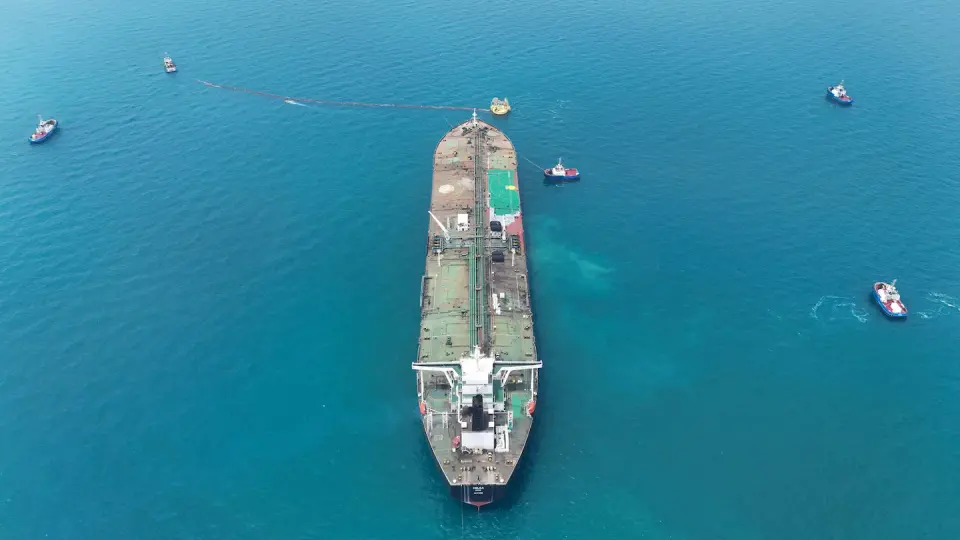
Crude oil shipments through the Strait of Hormuz have rebounded to near pre-war levels, driven by U.S. naval escorts and Iran’s weakened military capacity. However, fuel prices remain near record highs because refined product flows are still limited and global inventories are depleting.
Key points
- Crude flows through the Strait of Hormuz reached 13.1 million barrels per day, about 80% of pre-war levels, according to Kpler.
- Total Middle Eastern crude flows, including routes around the strait, have returned to 98% of pre-war levels, per JPMorgan.
- Refined product flows from the Middle East remain at just 58% of pre-war levels, keeping gasoline and diesel prices elevated.
- Diesel prices exceeded $6 per gallon for the first time, while crude oil hovered above $90 per barrel in September.
- Global oil inventories have dropped by approximately 2 billion barrels during the conflict, raising fears of a future supply crunch.
Background
Since early September, oil prices have remained volatile amid the Iran conflict. President Trump previously predicted a sharp drop in fuel costs following the midterm elections, but prices have stayed elevated. Retailers like Costco have raised motor oil prices and capped purchases due to the sustained high cost of crude. Recent diplomatic efforts have kept markets on edge, but physical supply constraints remain the primary driver of price stability.
How outlets are covering it
The Washington Post emphasizes that the rebound in crude shipments is primarily due to Iran’s depleted military capability and a U.S. Navy operation securing the waterway. CNN highlights the fragility of this status quo, noting that while Iran has lost leverage, it is increasing attacks on tankers to regain influence. CNN also points out that high insurance costs and shrinking inventories mean the current supply arrangement is unsustainable, whereas The Post focuses on the immediate logistical success of the naval escorts.
Why it matters
Consumers and businesses continue to face record-high fuel costs despite the recovery in crude shipments. The gap between crude and refined product flows means that price relief is unlikely in the near term, and the depletion of global inventories poses a significant risk for future supply shocks.
What to watch
Analysts are watching for signs of a peace deal or further military escalation. The sustainability of the U.S. naval presence and the ability of the market to clear physical oil demand without a price spike are the key factors to monitor in the coming weeks.
- How the U.S. got oil shipments moving and what it would take to bring prices down The Washington Post
- Iran has lost considerable leverage in the Strait of Hormuz. It can’t go on like this forever CNN
- Mideast Crude Oil Flows Hit 98% of Pre-War Level, JPMorgan Says Bloomberg.com
- Middle East Crude Oil Exports Back at Prewar Levels, Analysts Say WSJ
- The Strait of Hormuz Is Open The Free Press
Want the full story? Read the original reporting
Read on The Washington Post