
Botswana authorizes slaughter of 23 elephants for 60th independence anniversary
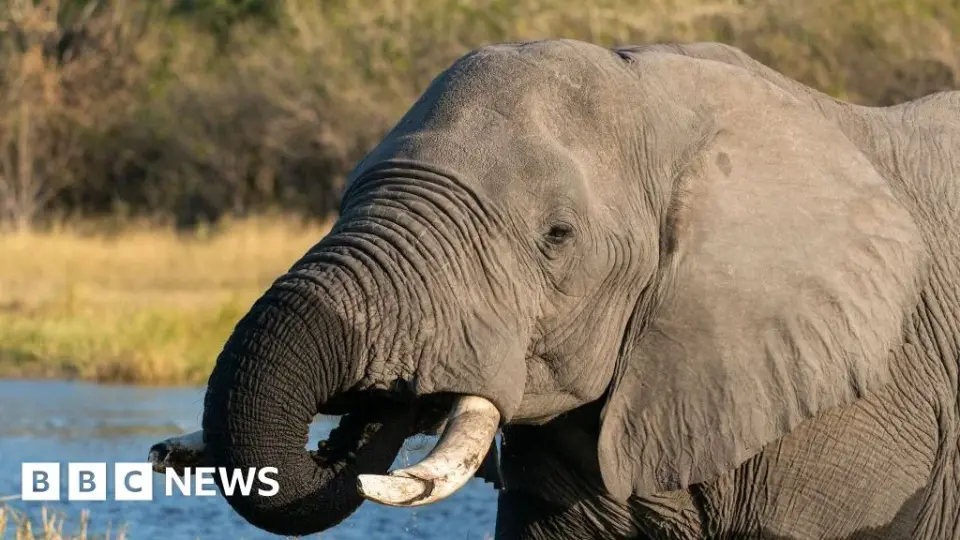
Botswana has authorized the killing of 23 elephants to provide meat for nationwide celebrations marking its 60th anniversary of independence from Britain. The decision, approved by the Ministry of Environment and Tourism, has drawn sharp criticism from conservation groups and local residents who fear it normalizes poaching and undermines wildlife protection. While the government frames regulated hunting as a tool for managing population growth and funding community development, critics argue that distributing elephant meat during national festivities sends a dangerous signal about the value of these animals. The controversy highlights ongoing tensions between conservation goals and the economic and social pressures faced by communities living alongside the world's largest elephant population.
Key points
- A government licence permits the hunting of 23 elephants and other wild animals for 'complimentary purposes' during independence celebrations.
- Elephant Protection Society chairman Oaitse Nawa warned that state-sanctioned slaughter could encourage poaching by implying that killing elephants is acceptable.
- Local MP Simasiku Mapulanga criticized the distribution method, noting that residents gathered around carcasses in Chobe, creating hygiene risks and disadvantaging vulnerable groups.
- Botswana is home to over 130,000 elephants, the world's largest population, and has faced long-standing complaints about crop destruction and human-wildlife conflict.
- The government argues that hunting proceeds, including 15.6m pula raised in 2025, support conservation and local development in elephant-rich areas.
Background
This incident occurs within a broader, contentious debate in Botswana regarding elephant management. The country previously banned trophy hunting in 2014 but lifted the restriction in 2019, a policy that has continued under current President Duma Boko. While the government maintains that regulated hunting generates revenue for communities affected by elephant damage, conservationists question the sustainability of these quotas. Recent international attention on elephant welfare, such as the 2026 investigation into cyanide-linked deaths in Kenya, underscores the global sensitivity surrounding elephant conservation efforts.
Why it matters
The decision to slaughter elephants for national celebrations risks eroding the legal and cultural protections afforded to wildlife in Botswana. By associating the killing of elephants with a patriotic event, the government may inadvertently legitimize poaching and weaken public support for conservation. Furthermore, the chaotic distribution of meat raises concerns about public health and social equity, potentially undermining the government's claim that hunting benefits local communities. This event could set a precedent for future wildlife management policies, influencing how other nations balance conservation with human-wildlife conflict resolution.
What to watch
The Botswana government has not yet responded to requests for comment from the BBC. It remains unclear how many of the 23 elephants were killed by the time of the celebrations. Conservation groups and local leaders may continue to press for stricter regulations on meat distribution and hunting quotas. The incident may also influence future policy discussions regarding the balance between conservation funding and wildlife protection in elephant-rich regions.
Want the full story? Read the original reporting
Read on BBC