
Green-tech mineral race could create water-scarce sacrifice zones for the world’s poor
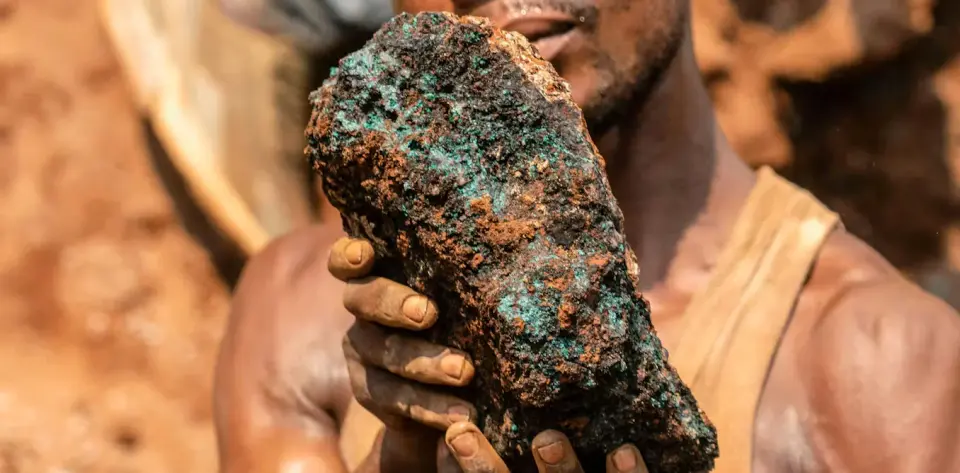
The Conversation piece by UNU researchers argues that the push to secure critical minerals for AI, EVs, wind, and digital tech risks concentrating pollution and water stress in poor communities. 2024 lithium mining alone consumed about 456 billion liters of water, with places like Chile’s Atacama using up to 65% of regional water and polluted rivers harming ecosystems. Health impacts include higher miscarriage rates, birth defects, infant mortality, cancers, and other illnesses linked to heavy metals, especially in the DRC’s cobalt and copper regions. The authors urge stronger international governance, binding supply-chain and environmental standards, local community co-governance, water-saving mining tech, better wastewater management, and greater recycling and product longevity to prevent “sacrifice zones” and ensure a just energy transition.
- The race to mine critical minerals for AI and clean energy is creating ‘sacrifice zones’ that harm water and health of world’s poor The Conversation
- Critical minerals are ‘oil of 21st century’ as demand fuels poverty and pollution in poorer countries The Guardian
- How to Think About the Extractive Problem of Lithium Mining Inside Climate News
- In the critical mineral race, UN body highlights tools for fairer deals Geneva Solutions
- Asia’s clean energy boom risks draining its water, resources ucanews.com
Want the full story? Read the original reporting
Read on The Conversation