Tag

Environment Energy

All articles tagged with #environment energy

Prebunking Climate Doom: Psychological Vaccines That Boost Action
environment-energy5 days ago

Prebunking Climate Doom: Psychological Vaccines That Boost Action

New research summarized in The Conversation finds that doom-laden climate headlines can dampen action by triggering hopelessness and perceived manipulation, but preemptive inoculation—exposing a weakened doom narrative and testing understanding—helps people recognize manipulation, reduces sharing of doom content, and can sustain or increase pro-climate intentions; experts urge solution-focused climate journalism to engage skeptical audiences.

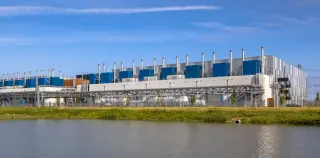
Liquid cooling could curb data centers' water hunger
environment-energy5 days ago

Liquid cooling could curb data centers' water hunger

Rising AI workloads are driving a boom in data centers that currently rely on water-intensive cooling. Air cooling is energy-inefficient and its evaporative methods strain water supplies; liquid cooling—especially direct-to-chip systems—could dramatically cut both water use and electricity, with potential for heat reuse and rainwater harvesting. Adoption faces retrofit costs and safety concerns, so a gradual shift toward liquid cooling and smarter water management may offer the best path to reducing the sector’s environmental footprint.

Desert Heat Unpacked: Why Deserts Get So Hot and How Climate Change Is Shaping It
environment-energy1 month ago

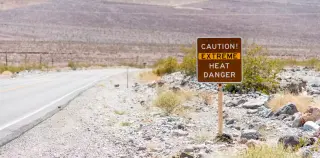
Desert Heat Unpacked: Why Deserts Get So Hot and How Climate Change Is Shaping It

Deserts are defined by receiving very little precipitation (less than 250 mm per year), not by temperature, and they occur around 30 degrees north and south due to global atmospheric circulation. The hottest air on Earth has been recorded in Death Valley (134°F/56.7°C), while the hottest ground temperature was in Iran’s Lut Desert (177.4°F/80.8°C). Deserts stay scorching because (1) dry air means few clouds to block sunlight, so the sun heats the ground directly; (2) sand and rock have low specific heat, so they heat up quickly and cool fast at night; (3) little evaporation due to sparse plant cover means minimal evaporative cooling. Global warming is intensifying desert heat, making deserts hotter, drier, and more prone to desertification, though some regions may green if shifting wind patterns bring more rainfall. The piece also highlights the broader link between atmospheric circulation and desert locations, and features a Curious Kids Q&A to encourage questions about climate and deserts.

Stuck in the Drawer: The surprising reasons we keep old gadgets and how to recycle them
environment-energy2 months ago

Stuck in the Drawer: The surprising reasons we keep old gadgets and how to recycle them

A NSF-backed study of 4,000 Americans finds that the most common fate for finished devices is storage in a drawer (about 39%), not recycling or resale; data-security fears and not knowing where to recycle drive hoarding. The research shows recycling and reselling are feasible options, emphasizes wiping data and removing accounts before disposal, and highlights information nudges to help people give old electronics a second life.

Renters gain affordable climate control with window-mounted heat pumps
environment-energy2 months ago

Renters gain affordable climate control with window-mounted heat pumps

Window-mounted heat pumps offer a low-cost, DIY alternative to full split systems, delivering heating and cooling in apartments and older homes for about $3,000–$4,000 and avoiding major renovations; they can be moved to a new property but have limited capacity and lose efficiency in very cold weather. Federal subsidies for this equipment expired in 2025, though some utility programs may still help pay the cost; the NYC Housing Authority has begun installing them in some apartments.

UN warns AI’s global footprint could reach 3% of electricity and exceed drinking-water needs by 2030
environment-energy2 months ago

UN warns AI’s global footprint could reach 3% of electricity and exceed drinking-water needs by 2030

A United Nations report warns that by 2030 AI could consume up to 3% of global electricity and require more cooling water than the world’s drinking-water supply, potentially offsetting efficiency gains through the Jevons paradox. It also highlights data-center growth, notes the carbon and water costs, and calls for responsible AI governance across the full lifecycle, including transparency, efficiency by design, equity, and global cooperation, while pointing to a widening digital divide where AI infrastructure is concentrated in a few nations.

Green-tech mineral race could create water-scarce sacrifice zones for the world’s poor
environment-energy3 months ago

Green-tech mineral race could create water-scarce sacrifice zones for the world’s poor

The Conversation piece by UNU researchers argues that the push to secure critical minerals for AI, EVs, wind, and digital tech risks concentrating pollution and water stress in poor communities. 2024 lithium mining alone consumed about 456 billion liters of water, with places like Chile’s Atacama using up to 65% of regional water and polluted rivers harming ecosystems. Health impacts include higher miscarriage rates, birth defects, infant mortality, cancers, and other illnesses linked to heavy metals, especially in the DRC’s cobalt and copper regions. The authors urge stronger international governance, binding supply-chain and environmental standards, local community co-governance, water-saving mining tech, better wastewater management, and greater recycling and product longevity to prevent “sacrifice zones” and ensure a just energy transition.

In Chernobyl, absence of humans reshapes wildlife more than radiation
environment-energy4 months ago

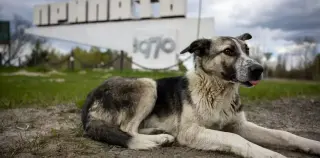
In Chernobyl, absence of humans reshapes wildlife more than radiation

The Conversation piece argues that headlines about radiation driving dramatic wildlife changes at Chernobyl are overstated; while some dog populations show genetic differences, these are more likely due to breed history, habitat, and disease than radiation. The broader point is that the exclusion zone’s ecosystems are shaped far more by the absence of humans, effectively turning parts of it into a nature reserve, than by radiation exposure. Long‑term health effects on people from the accident remain socio‑economic and mental health concerns, underscoring the need for careful science communication to curb misinformation.

Paris quiets the streets, but urban birds still sing with higher pitches
environment-energy4 months ago

Paris quiets the streets, but urban birds still sing with higher pitches

New research shows Paris has become quieter over the past decade thanks to measures like cyclist-friendly streets, automated noise cameras, and Bruitparif monitoring, reducing noise by about three decibels. However, great tits in Paris still sing at higher pitches than birds in nearby quiet forests, indicating that further noise reductions are needed before urban birds can revert to their natural songs. The study also notes that quieter periods, such as COVID-19 lockdowns, briefly allowed some birds to lower their pitch, illustrating the potential for change when cities become quieter.

Historic Snow Drought Tests the West's Water, Power and Fire Season
environment-energy5 months ago

Historic Snow Drought Tests the West's Water, Power and Fire Season

Winter 2026 brought an unprecedented snow drought across the Western U.S., with most basins well below the 1991–2020 median and only a few near or above average. The reduced snowpack tightens water supplies and river flows, signals possible cuts to water rights allocations, and threatens Lake Powell’s hydroelectric power capacity. Warmer temperatures and sparse snow raise concerns about a fiercer fire season, making this drought a high-stakes stress test for the West and a potential glimpse of a warmer climate future.

Snow drought reveals West's hidden water and wildfire risks
environment-energy5 months ago

Snow drought reveals West's hidden water and wildfire risks

The 2026 Western snow drought left most basins well below the 1991–2020 median snow water equivalent as unusually warm temperatures turned precipitation into rain, threatening spring runoff, water allocations, and hydroelectric power (notably Lake Powell). The drought also heightens wildfire risk and raises questions about subsurface water stores and future management across the Colorado, Columbia, and Missouri basins in a warming climate.

environment-energy5 months ago

Rivers in Peril: Global Migratory Fish Declines Threaten Food and Culture

A global assessment finds migratory freshwater fish collapsing due to dams, overfishing, habitat loss and pollution; 97% of migratory species are at risk of extinction, mega-fish in the Mekong have declined ~95% since 1970, and cross-border cooperation under the Convention on Migratory Species is needed to restore river connectivity and protect livelihoods and diets across major basins.

Hot Cups Leach Microplastics: Temperature Key in Takeaway Coffee
environment-energy7 months ago

Hot Cups Leach Microplastics: Temperature Key in Takeaway Coffee

A new study shows takeaway cups shed thousands of microplastic particles when hot, with temperature being the main driver. In Brisbane tests, all-plastic cups released more microplastics than paper cups with plastic linings at both cold and hot temperatures, and hotter liquids increased releases by about one third for plastic cups. The researchers estimate that sipping 300 ml daily from polyethylene cups could expose a person to roughly 363,000 microplastics per year. To reduce risk, use reusable cups or request cooler drinks, and avoid pouring boiling liquids into plastic-lined containers. While health impacts remain uncertain, the study highlights how material choice and heat affect microplastic exposure.

"Mitigating Wildfire Risk: Addressing Climate Change, Aging Power Lines, and Emergency Alert Systems"
environment-energy2 years ago

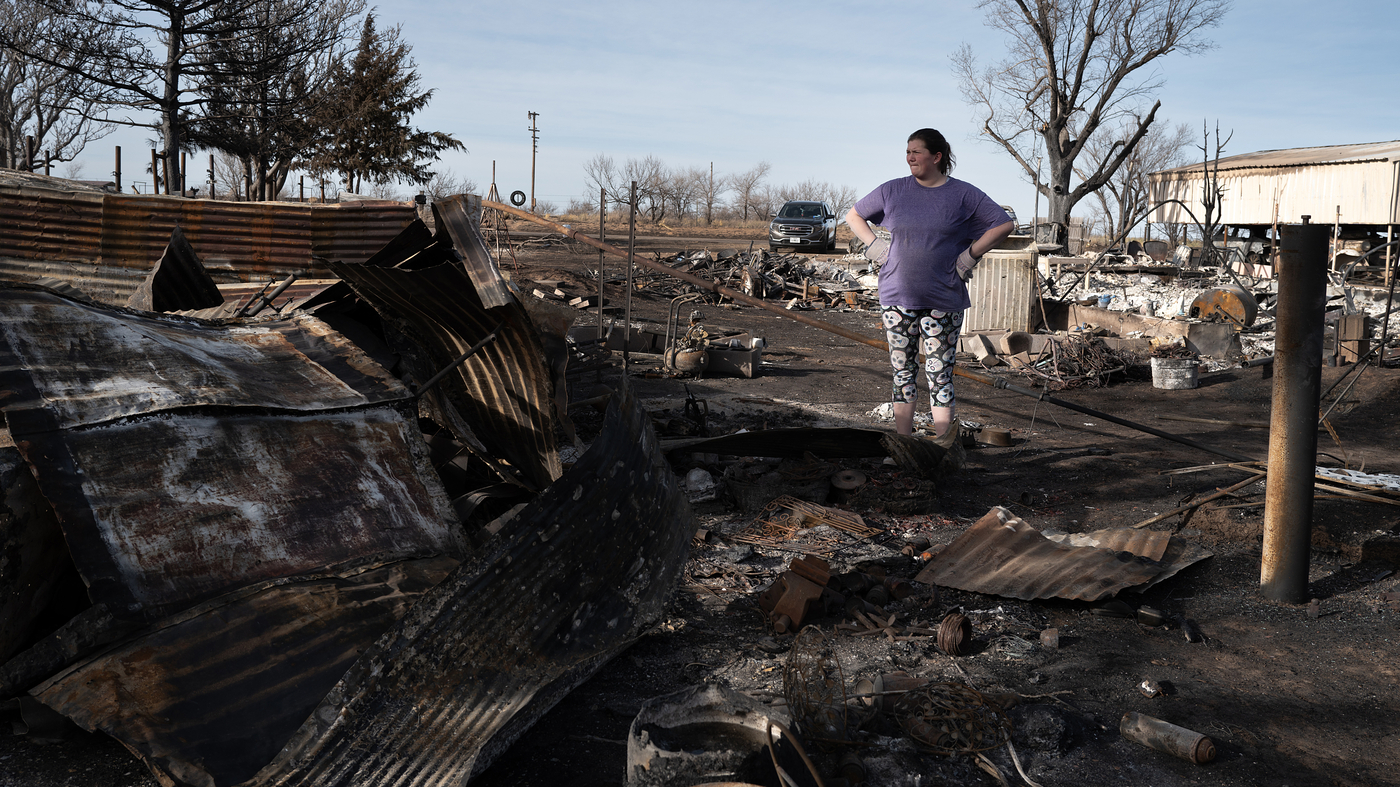
"Mitigating Wildfire Risk: Addressing Climate Change, Aging Power Lines, and Emergency Alert Systems"

Aging power infrastructure and the impacts of climate change are increasing the risk of utilities starting wildfires, as seen in the case of the Smokehouse Creek Fire in Texas. Many utilities lack the technology to detect overheating power lines, and climate change is exacerbating the risk with drier vegetation and hotter weather. While some utilities are investing in solutions like weather sensors and proactive shutoffs, others are not prioritizing wildfire prevention, which could impact both safety and the affordability of electric bills.