
Chernobyl’s wild sanctuary reshapes the nuclear debate
TL;DR
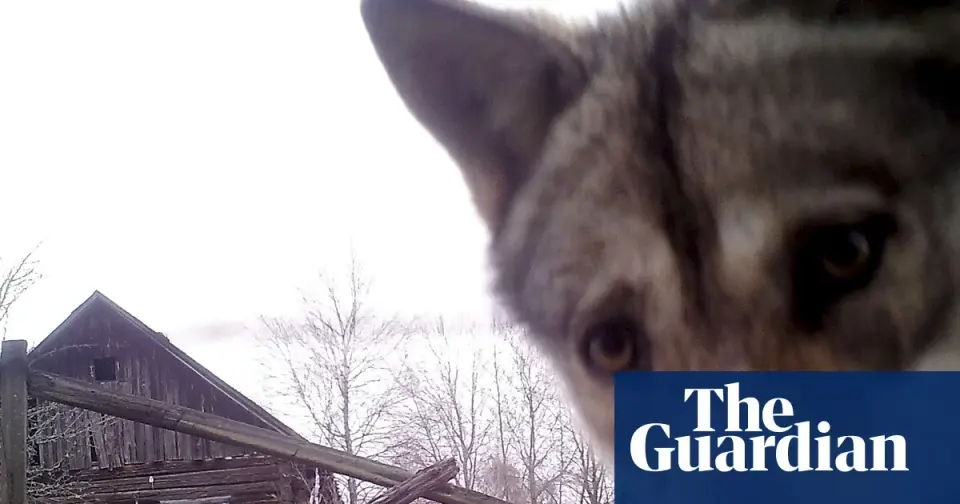
Forty years after the Chernobyl disaster, the exclusion zone remains heavily contaminated, but wildlife populations—from wolves and elk to roe and deer—flourish in the absence of humans, prompting a debate over nuclear power’s environmental trade-offs. While some scientists argue the area shows how ecosystems rebound when human pressure fades, others caution about potential genetic damage in certain species and warn against reviving nuclear energy amid safety and geopolitical risks. The discussion echoes debates sparked by Fukushima and the Korean DMZ, with broad implications for climate goals and energy security.
- The no-go zone paradox: Chornobyl’s wildlife thrives amid pro-nuclear shift The Guardian
- Scientists are still learning from the Chernobyl nuclear disaster The Economist
- Chernobyl’s wildlife: the real story isn’t the presence of radiation – it’s the absence of humans The Conversation
- Chornobyl first responder says few survive 40 years on Reuters
- PHOTO ESSAY: AP photographer chronicles Chernobyl’s painful legacy of silence, sacrifice and danger AP News
Want the full story? Read the original reporting
Read on The Guardian