
Colombian Farmers and Volunteers Race to Replant Frailejón Guardians Before Climate Change and Mining Destroy Water Sources
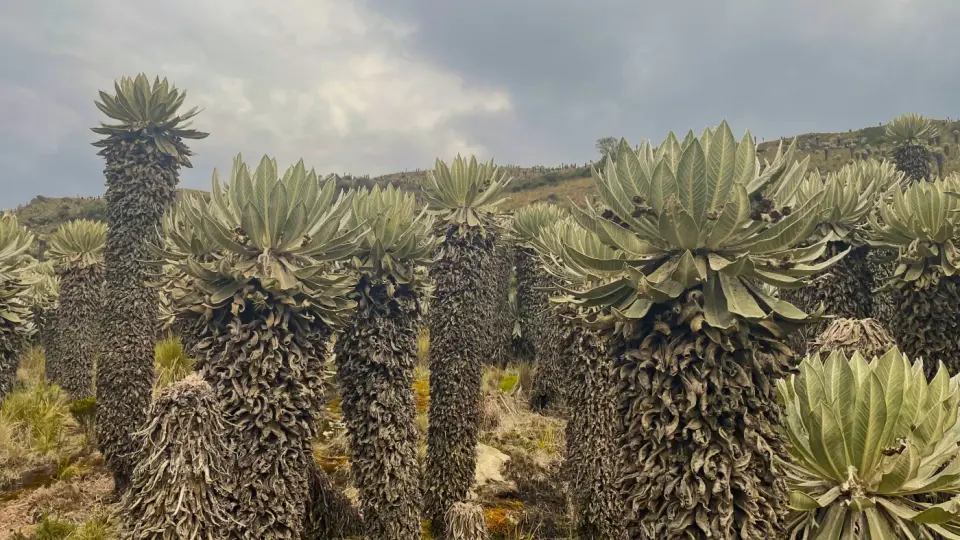
In the high Andes of Colombia, the frailejón plant, a fuzzy relative of the sunflower, acts as a critical keystone species for páramo wetlands that supply the nation’s water. However, two-thirds of the 150 known species are at risk due to agricultural expansion, coal mining, and warming temperatures. Moisés Moreno, a former farmer and coal miner, now leads a greenhouse project in Monguí to cultivate seedlings and guide volunteers in replanting efforts. These initiatives, supported by national parks and armed forces, aim to restore ecosystems damaged by wildfires and human encroachment, though survival rates remain low due to harsh conditions.
Key points
- Frailejón plants, known for their wooly leaves that absorb cloud moisture, are vital for maintaining the páramo wetlands that feed major Colombian rivers.
- Mauricio Diazgranados, chief science officer at the New York Botanical Garden, states that 17 of the nearly 150 frailejón species are endangered, with two-thirds facing risk.
- Moisés Moreno, 53, transitioned from a farmer who cleared the plants for potato fields to a conservationist after a cave-in injury at a coal mine.
- Moreno’s greenhouse in Monguí produces seedlings for volunteers to plant at altitudes reaching 11,000 feet, using shredded tobacco as fertilizer.
- Threats include cattle ranching, coal mining, and climate change, which allows invasive species to survive at higher altitudes and disrupt fragile ecosystems.
- Public awareness is driven by Ernesto Pérez, a popular cartoon character shaped like a frailejón, which promotes conservation similar to Smokey Bear in the U.S.
Background
The páramo ecosystems in Colombia’s Andes have long been recognized by indigenous Muisca people as sacred guardians of water. Recent decades have seen increased pressure from agricultural and industrial activities pushing into these high-altitude zones. Conservation efforts have evolved from local awareness campaigns to organized reforestation initiatives involving government agencies and private volunteers, reflecting a growing national concern over water security and biodiversity loss.
Why it matters
The survival of frailejón plants is directly linked to the water security of millions of Colombians, as páramos serve as the source for major rivers. The decline of these keystone species threatens not only local ecosystems but also the broader hydrological stability of the region. Successful conservation efforts could mitigate the impacts of climate change on high-altitude environments and preserve cultural heritage tied to these unique plants.
What to watch
Volunteers and conservationists will continue replanting campaigns in state parks, though the slow growth rate and harsh climate mean many seedlings may not survive. Long-term success depends on reducing agricultural encroachment and addressing climate change impacts that allow invasive species to thrive at higher elevations. Public engagement through educational campaigns and community involvement remains crucial for sustaining these efforts.
Want the full story? Read the original reporting
Read on NPR