
COVID lockdowns led to increased animal mobility and human absence.
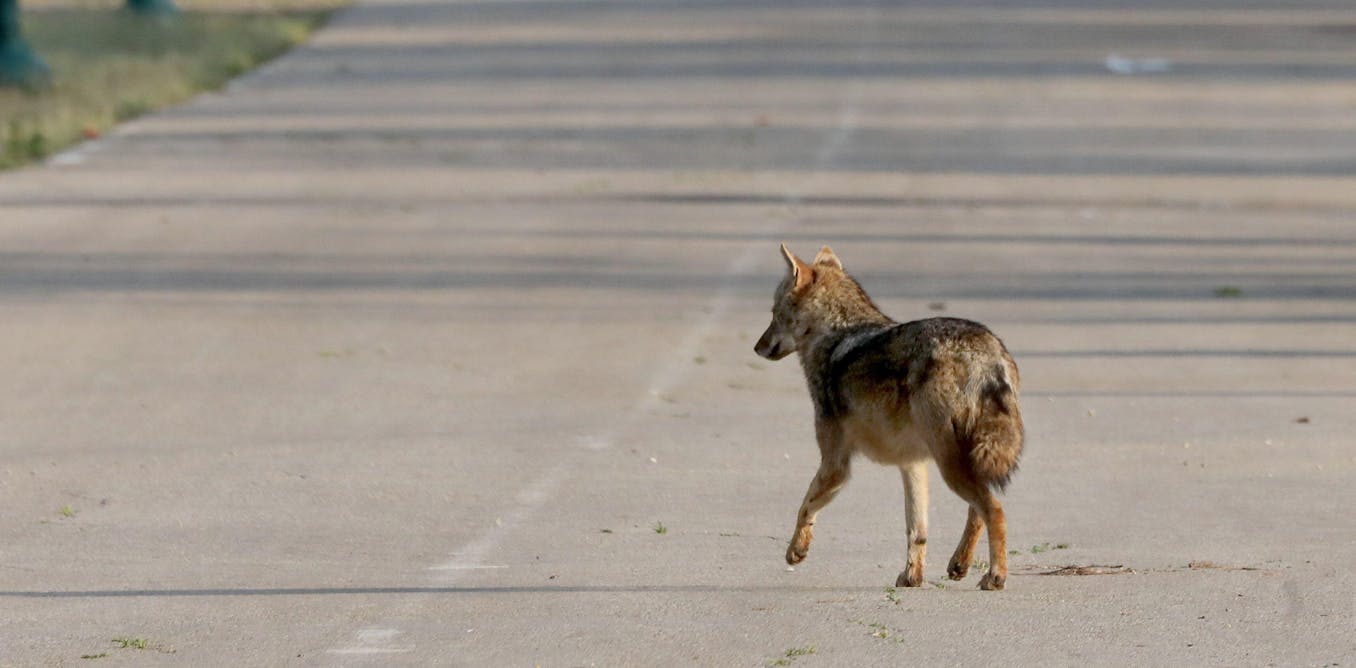
The COVID-19 pandemic provided an opportunity for researchers to study how human activities impact the behavior of wildlife. The COVID-19 Bio-Logging Initiative, a group of animal movement researchers, used bio-logging devices to record animal movements during lockdowns. By pooling data from over 2,300 individual tracked mammals, the researchers found that mammals were 36% closer to roads during lockdown, and their movement distances over ten days were 73% longer compared to the same period one year earlier. The findings suggest that humans moving in the environment directly influence animal movements and behavior, in addition to the effects of the built environment.
- While humans were in strict lockdown, wild mammals roamed further – new research The Conversation
- What happened to wild animals during covid lockdowns The Washington Post
- Wild Mammals Roamed When Covid Kept Humans Home The New York Times
- The largest study of animal mobility during the Covid lockdown shows how humans disrupt wildlife EL PAÍS USA
- Humans traveled less during COVID lockdowns but animals traveled more: study NPR
Reading Insights
0
10
4 min
vs 5 min read
88%
805 → 100 words
Want the full story? Read the original article
Read on The Conversation