
Danube Drought Exposes WWII Warships and Motorcycles
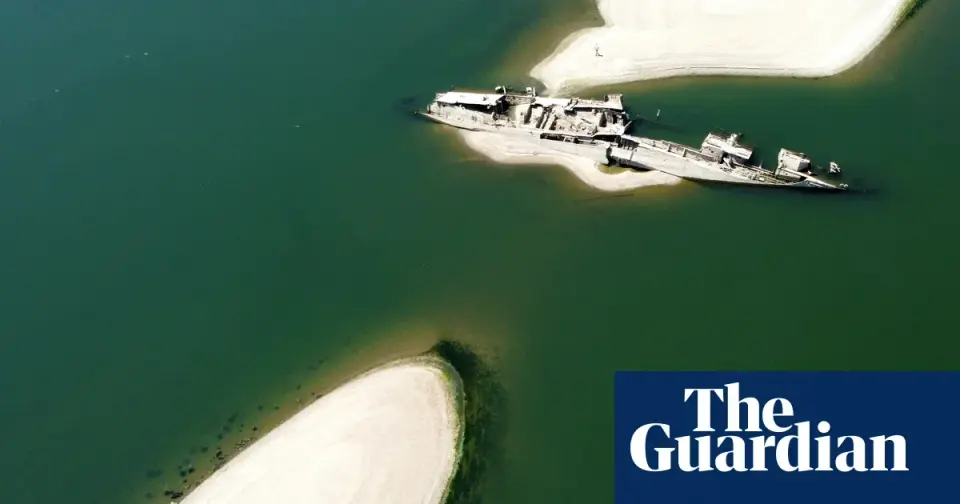
Record-low water levels in the Danube have exposed numerous World War II artifacts, including German warships and a motorcycle, as severe drought impacts Europe.
Key points
- Dozens of WWII German warships have emerged from the Danube riverbed near the Serbian-Romanian border due to record-low water levels.
- A near-intact Wehrmacht motorcycle was discovered in the Danube in Budapest, preserved in the mud near the Hungarian parliament.
- The exposed ships were part of Hitler's Black Sea fleet, deliberately scuttled in 1944 to slow the Soviet advance.
- Slovakian authorities recovered and detonated an unexploded 700kg British bomb found in the river.
- The drought is disrupting navigation and contributing to an energy crisis, as power plants rely on river water for cooling.
Background
Previous coverage in August 2026 highlighted how the same drought exposed similar relics, including a sunken warship in Serbia and mammoth bones in Bulgaria, while raising concerns about energy shortages and potential shutdowns at the Paks nuclear plant.
How outlets are covering it
The Guardian emphasizes the broader historical and environmental implications, noting that up to 200 ships were scuttled in 1944 and that the drought is exacerbating an energy crisis. Euronews focuses on the specific discovery of the DKW NZ 350-1 motorcycle in Budapest, detailing its historical significance and the local military museum's reaction to the find.
Why it matters
The exposure of these artifacts highlights the tangible impacts of climate change on Europe's infrastructure and history, while also raising safety concerns due to unexploded ordnance and disruptions to critical energy and transport systems.
What to watch
Authorities will continue to monitor water levels and manage the removal of hazardous wrecks, while the broader energy crisis may persist if drought conditions continue to affect power plant operations.
- Nazi shipwrecks emerge from the depths as Europe’s Danube dries up The Guardian
- Europe's drought reveals medieval buildings, Nazi warships, mammoth remains and more Reuters
- A Drying Danube River Reveals Nazi-Era Vessels, and Hazards of Heat nytimes.com
- Low Danube water reveals Wehrmacht motorbike on riverbed Euronews.com
- The Danube River's water is dropping so low that World War II ships are emerging PBS
Want the full story? Read the original reporting
Read on The Guardian