
Super El Niño and Peatland Drainage Drive Record Indonesian Wildfires
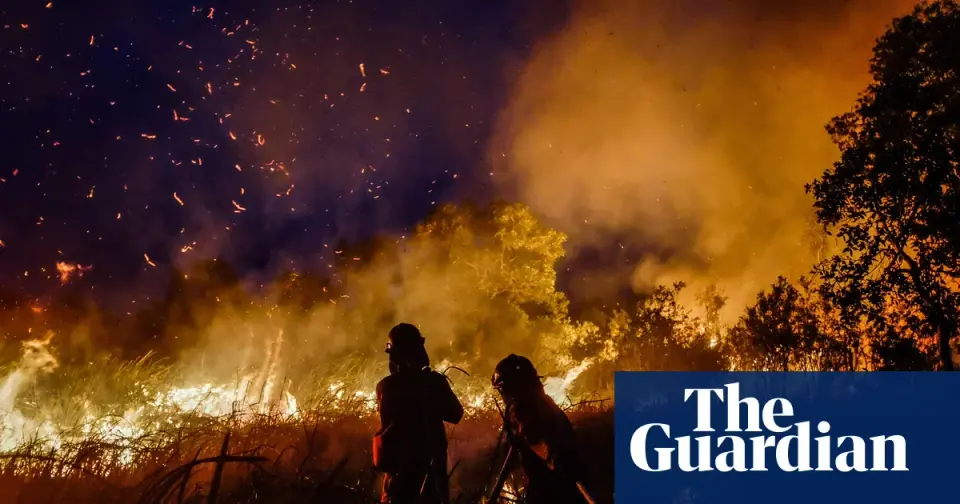
A 'super' El Niño is intensifying wildfires across Indonesia, particularly in Borneo, causing severe trans-boundary haze that has affected Malaysia and Singapore. The fires, driven by drained peatlands and slash-and-burn agriculture, have led to a tenfold increase in respiratory emergency visits in West Kalimantan. President Prabowo Subianto has ordered the revocation of permits for suspected corporations and deployed aerial firefighting, but experts warn the worst may yet come as the dry season persists into November.
Key points
- Nearly 94,000 hectares burned in Indonesia in July alone, with over 224,000 hotspots detected as of August 20.
- Emergency room visits for respiratory symptoms in West Kalimantan spiked to 5,000 per week from July, compared to 500 in the first half of the year.
- President Prabowo Subianto ordered the revocation of business permits for corporations suspected of directing land clearing and arrested 72 people.
- The 'super' El Niño is expected to peak in September, with rains unlikely to extinguish fires before November.
- Malaysia and Brunei agreed to raise the haze issue at ASEAN, with Kuala Lumpur becoming the most polluted city on Earth.
Background
Indonesia has experienced severe fire seasons during previous El Niño cycles, notably in 2015 when over 6 million acres burned, contributing to an estimated 100,000 premature deaths across the region. The current crisis follows earlier coverage of Indonesia's arrests of 72 individuals in connection with forest fires in August 2026. The ongoing issue is exacerbated by decades of peatland drainage for palm oil and pulp plantations, which removes the natural water retention that makes these ecosystems fire-resistant.
How outlets are covering it
The Guardian emphasizes the immediate human impact, highlighting the tenfold increase in respiratory emergency visits and the daily struggles of residents like Suwadi, who describes breathing the haze as 'like smoking a cigarette.' The New York Times focuses on the structural causes, pointing to the widespread degradation of peatlands due to industrialized agriculture and the failure of restoration efforts, such as stalled canal blocks. Both outlets agree on the role of El Niño but differ in emphasis: The Guardian highlights the trans-boundary political response and the arrest of 72 suspects, while The New York Times stresses the long-term environmental damage and the limitations of cloud-seeding in a moisture-deprived atmosphere. The AP News source, while largely obscured by technical code, confirms the escalation of aerial operations to fight the wildfires.
Why it matters
The fires are not only a local health crisis but a regional environmental and diplomatic issue, with haze affecting neighboring countries and prompting international discussions. The underlying cause—peatland drainage for palm oil—highlights the tension between economic interests and environmental sustainability. As the dry season continues, the potential for further mega-fires and greenhouse gas emissions from burning peatlands could have significant global climate implications.
What to watch
Experts warn that the worst of the fires may yet come as the dry season continues into October and November. The Indonesian government is expected to continue aerial firefighting and cloud-seeding operations, though their effectiveness is limited by the lack of moisture. There may be further legal actions against corporations and individuals responsible for the fires, and regional cooperation through ASEAN may intensify as the haze persists.
- ‘Like smoking a cigarette’: Indonesia chokes on haze as blazes intensify amid super ‘El Niño’ The Guardian
- Indonesians brave choking smoke to pray for rain as country battles wildfires NPR
- Indonesia prioritises Kalimantan region as wildfire hotspots rise Reuters
- Indonesia intensifies aerial firefighting as wildfire haze spreads to Malaysia AP News
- As El Niño Dries Indonesia, Wildfires Intensify The New York Times
Want the full story? Read the original reporting
Read on The Guardian