
Hormuz War Creates 20,000 Sq Km Oil Disaster, Threatening Gulf Ecosystems
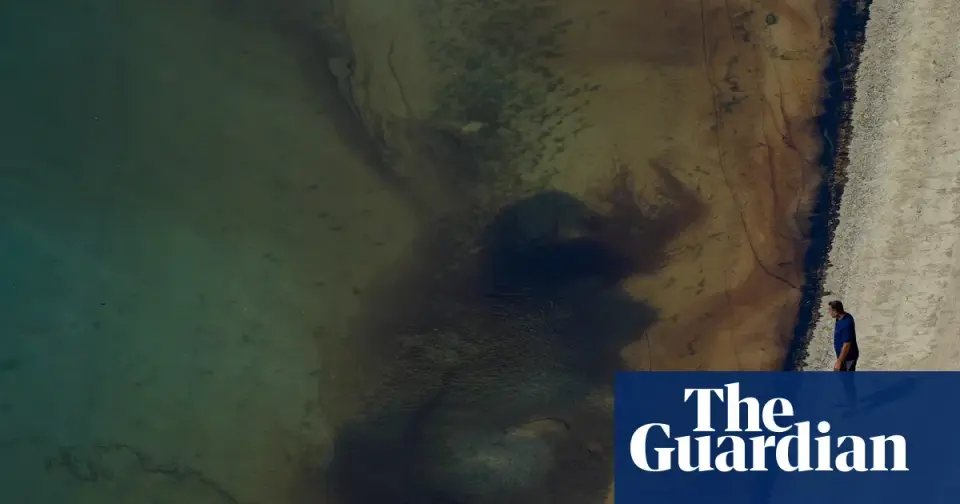
The eight-month US-Iran war has transformed the Strait of Hormuz into a battlefield, causing massive environmental damage. Satellite data reveals over 500 oil spills, totaling approximately 20,000 square kilometers, which is nearly the size of Wales. These spills, resulting from more than 133 attacks on tankers, have contaminated coastlines in the UAE, Oman, and Iran. Experts warn that oil trapped in sediments and mangrove roots could cause generational damage to marine life, including dolphins, sea turtles, and coral reefs, which may take decades to recover.
Key points
- Greenpeace satellite monitoring identified over 500 oil spill instances across the Gulf and Arabian Sea since the conflict began on February 28, 2026.
- The cumulative area of these spills is estimated at 20,000 square kilometers, with October being the most severe month for attacks.
- A strike on the supertanker Gem No 2 in October created a slick stretching 35 kilometers off the UAE coast, leading to beach closures and cleanup operations.
- Marine biologist Bernhard Riegl warns that the shallow Gulf’s lack of cold water buffering makes it highly vulnerable to heat and oil pollution, potentially causing lasting ecological harm.
- Recent IRGC strikes on navigation infrastructure in Oman and continued US naval blockades complicate efforts to assess the full extent of the environmental damage.
Background
This environmental crisis follows months of escalating tensions in the Strait of Hormuz. Previous coverage highlighted how Iranian attacks on tankers in late 2026 threatened to disrupt oil flows that had partially recovered to pre-war levels. While global oil exports rebounded in September and October, this recovery relied heavily on US military protection and risky ship-to-tanker transfers. The current environmental disaster underscores the long-term ecological costs of these conflicts, echoing historical damage from the 1980s Iran-Iraq war and the first Gulf War, where oil pollution persisted in sediments for decades.
How outlets are covering it
The Guardian and Greenpeace emphasize the scale of the environmental catastrophe, citing satellite data to quantify the damage and highlighting the fragility of Gulf ecosystems. They stress that the full extent of the harm cannot be assessed without ground investigations, which are currently impossible due to the naval blockade. In contrast, the IRGC, via Tasnim, frames recent tanker explosions as justified responses to vessels ignoring warnings and collaborating with the US military, portraying the conflict as a defense against 'aggressors.' Fox News focuses on the strategic dimension, reporting on IRGC strikes against Omani navigation infrastructure and US defensive strikes on Iranian targets, while noting that commercial shipping continues despite the damage. While all sources agree on the ongoing violence, they differ in their emphasis: environmental groups focus on ecological loss, while military sources focus on tactical control and navigation disputes.
Why it matters
The Strait of Hormuz is a critical global oil shipping route, and the ongoing conflict has turned it into a zone of severe environmental degradation. The massive oil spills threaten not only marine biodiversity but also the livelihoods of coastal communities dependent on fishing. The potential for long-term contamination of sediments and mangroves suggests that the ecological impact could persist for generations, mirroring historical precedents from previous Gulf conflicts. This situation highlights the intersection of geopolitical conflict and environmental disaster, with significant implications for global energy security and regional stability.
What to watch
Environmental organizations continue to analyze satellite imagery to map the damage, but ground-level assessments remain blocked by the ongoing conflict. The IRGC has warned that vessels using unauthorized routes will face further attacks, while the US maintains its naval blockade and escort missions. The full extent of the ecological damage may not be known for years, as oil can remain trapped in sediments and mangrove roots long after visible slicks disappear. Continued strikes on navigation infrastructure and tankers are likely to exacerbate the pollution, potentially leading to irreversible damage to coral reefs and mangrove forests.
- Oil slicks seen from space: the devastating impact of boat strikes on fragile Gulf ecosystems The Guardian
- Four tankers struck by explosions in Strait of Hormuz, Iran says Reuters
- Ships Seeking to Cross The Strait of Hormuz Have Been Under Fire. Now Oil Spills Are Visible From Space. Yahoo
- IRGC Reports Tanker Explosion in Hormuz Strait تسنیم
- Iran escalates in Hormuz, claims strike on Omani island it says 'enemy' uses for US military ops Fox News
Want the full story? Read the original reporting
Read on The Guardian