
Kenya probes toxic cause for 15 elephant deaths in Amboseli
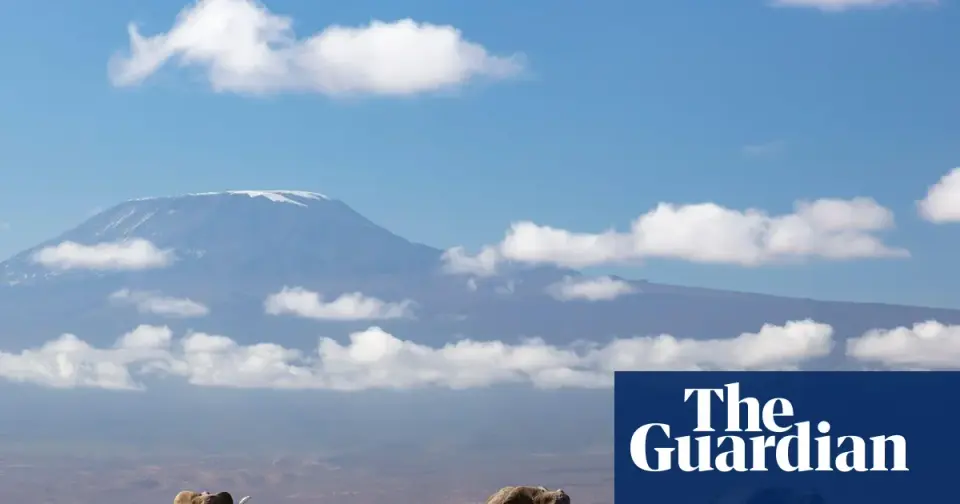
Kenyan authorities are investigating the deaths of 15 elephants in and around Amboseli National Park over the past month. Preliminary tests suggest a potential toxic substance, though results are conflicting. Most victims were females and calves, raising concerns about targeted poisoning or environmental contamination.
Key points
- The Kenya Wildlife Service (KWS) confirmed 15 elephant deaths in the Amboseli ecosystem, with 10 showing signs of partial paralysis before dying within two days.
- The remaining five carcasses were too decomposed or scavenged to determine the cause of death.
- The majority of the deceased were female elephants and their calves, with only one male among the dead.
- Deaths occurred in the Kimana sanctuary and Kuku ranch areas surrounding the park.
- Preliminary tests by the University of Nairobi detected a 'potential toxic substance,' while government laboratory tests were negative for the specific toxins tested.
- KWS stated there is no evidence the condition can be transmitted to humans.
Background
This incident follows a similar event in July 2026, where 14 elephants died near Amboseli, prompting an urgent inquiry into disease, poisoning, or other factors. Amboseli National Park is home to an estimated 2,000 elephants and is renowned for its savannah landscapes and elephant herds. Kenya has previously recorded incidents of elephant poisoning linked to poaching and human-wildlife conflict.
Why it matters
The deaths highlight ongoing threats to Kenya's elephant population, including potential poisoning and environmental contamination. The conflicting lab results and the specific targeting of females and calves suggest a complex cause that could have implications for wildlife conservation and human-wildlife coexistence in the region.
What to watch
Further laboratory tests and environmental investigations are underway to determine the exact cause of the deaths. KWS will continue to monitor the situation and update the public as more information becomes available.
Want the full story? Read the original reporting
Read on The Guardian