
Bluefin Tuna Return to Yorkshire Waters for First Time in Six Decades
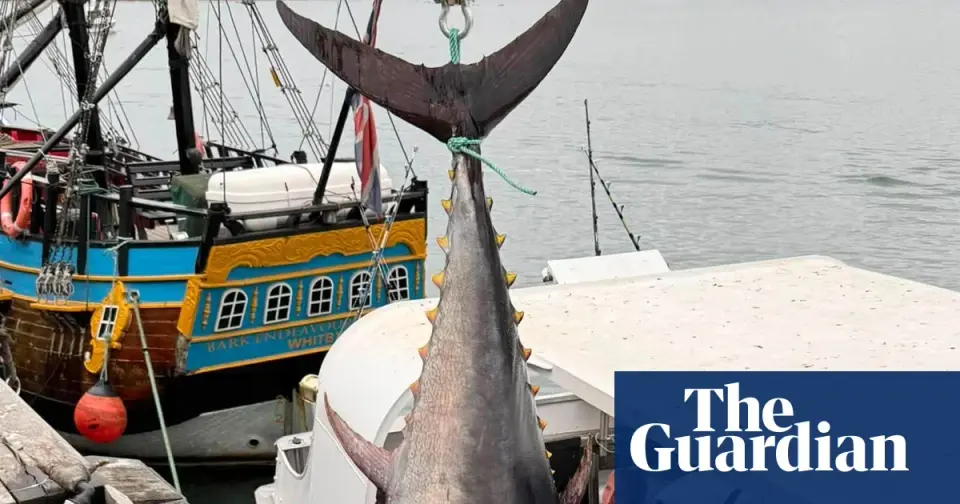
Two large bluefin tunas were caught off Whitby, Yorkshire, marking the first commercial landings in the region since the 1960s. Experts attribute this resurgence to effective fisheries management, though rising North Sea temperatures also play a role. The fish, each weighing approximately 320kg, are significantly larger than typical southern catches, indicating a healthy population recovery.
Key points
- Two bluefin tunas were landed off Whitby earlier this week, the first commercial catches in the North Sea since licences were issued in July.
- The species had been largely absent from Britain's north-east coast since the 1960s, having been nearly driven to extinction in the Mediterranean during the 1970s and 1980s.
- Each tuna weighed around 320kg, roughly double the average size of tuna found on the south coast, suggesting they are well-fed.
- Researchers credit the International Commission for the Conservation of Atlantic Tunas (Iccat) and careful stock protection for the population increase.
- Rising North Sea temperatures are cited as a secondary factor, as warmer waters benefit the herring and sprat that tuna prey upon.
Background
In August 2026, a bluefin tuna weighing 338kg was landed near Whitby, with a second specimen following the next day. University of Exeter researchers tagged six bluefin in the area, confirming a resurgence. The current catches are sold to high-end markets, reflecting continued demand for this premium fish.
Why it matters
The return of bluefin tuna signals that marine conservation efforts can reverse environmental decline. However, experts warn that pollution, illegal fishing, and climate change remain threats. Consistent policy implementation is crucial for the species to re-establish itself in British waters and potentially expand into Scottish waters.
What to watch
If management continues, bluefin populations may thrive along the Yorkshire coast and move into Scottish waters. However, ongoing threats from pollution and climate change could hinder full re-establishment. British fishing policies must prioritize marine ecology to ensure long-term survival.
Want the full story? Read the original reporting
Read on The Guardian