
Ceuta crisis escalates with soldier ambush and press harassment
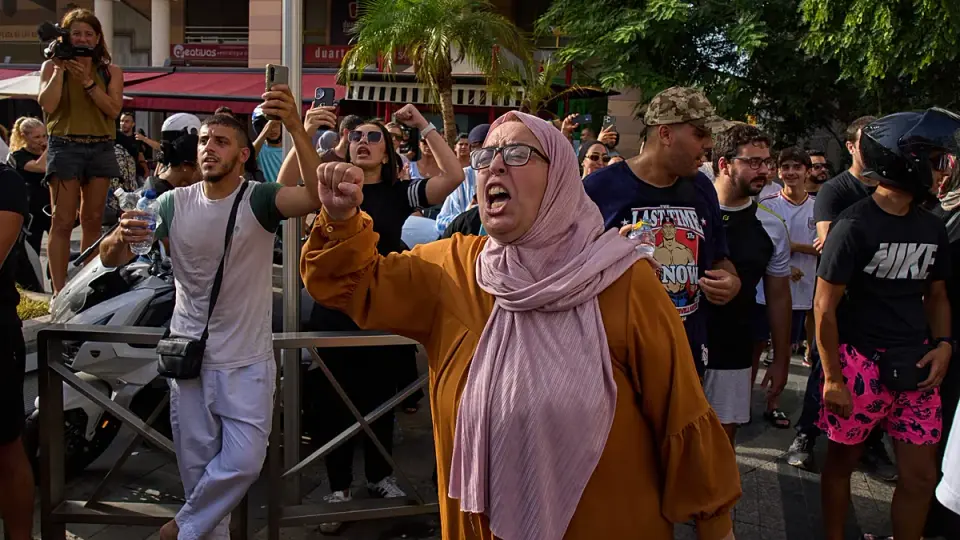
Ceuta experienced two nights of violent protests over the migration crisis, marked by police use of rubber bullets, barricades, and a pre-dawn ambush on soldiers. Journalists faced harassment from residents, while the government grappled with housing migrants and processing asylum claims for thousands of sub-Saharan Africans.
Key points
- Protests in Ceuta turned violent on Tuesday and Wednesday, with police firing rubber bullets and residents erecting barricades near the port and Trampolín beach.
- A pre-dawn ambush in the Benzú area injured four soldiers; attackers threw stones at a non-armored vehicle, leading to the arrest of 12 Moroccan nationals.
- Journalists from La Sexta and RTVE were harassed by protesters, with FAPE condemning the attacks as part of a broader escalation against the press.
- The government is processing asylum claims for approximately 1,500 minors and other sub-Saharan migrants housed in temporary shelters, as most Moroccans have been returned.
- Residents expressed frustration over overwhelmed public services and safety concerns, demanding faster deportations of those without asylum rights.
Background
The crisis began on July 30-31, 2026, when nearly 80,000 migrants entered Ceuta. Initial reports indicated most were Moroccan, but a significant number of sub-Saharan Africans remain in the city, leading to tensions over housing and asylum processing. Earlier archive articles do not provide relevant background for this specific event.
How outlets are covering it
Euronews emphasizes the violence and harassment of journalists, highlighting the government's response and the physical clashes. El País focuses on the human aspect, detailing the plight of sub-Saharan migrants from the Sahel region who are seeking asylum due to conflict and persecution in their home countries. Yahoo's coverage, while limited in the provided text, aligns with the report of the soldier ambush, underscoring the security dimension of the crisis. The outlets differ in focus: Euronews on the immediate unrest and press freedom, El País on the humanitarian and legal aspects of asylum, and Yahoo on the security incident.
Why it matters
The Ceuta crisis highlights the broader challenges of migration management in Europe, particularly at external borders. The violence and harassment of journalists raise concerns about press freedom and public safety. The government's handling of asylum claims and deportations will have significant implications for Spain's relationship with Morocco and the EU, as well as for the rights of vulnerable migrants.
What to watch
The government is expected to continue processing asylum claims for sub-Saharan migrants while accelerating deportations for those without legal status. Security measures will likely remain heightened in Ceuta, and the government may face pressure to improve public services and address residents' concerns. The situation could also influence EU discussions on migration and asylum policies.
- Ceuta faces second night of tense protests: government and media in the crosshairs Euronews.com
- Protesters clash with police, set fire to Ceuta migrant camp DW.com
- Clashes in Spain's Ceuta month after mass migrant influx, residents try to block Red Cross aid Euronews.com
- Holding out in Ceuta until asylum is granted EL PAÍS English
- Moroccan migrants ambush Spanish troops in Ceuta Yahoo
Want the full story? Read the original reporting
Read on Euronews.com