
Israel’s Election Deadlock Forces Herzog to Choose Between Netanyahu and Eisenkot Amid Coalition Chaos
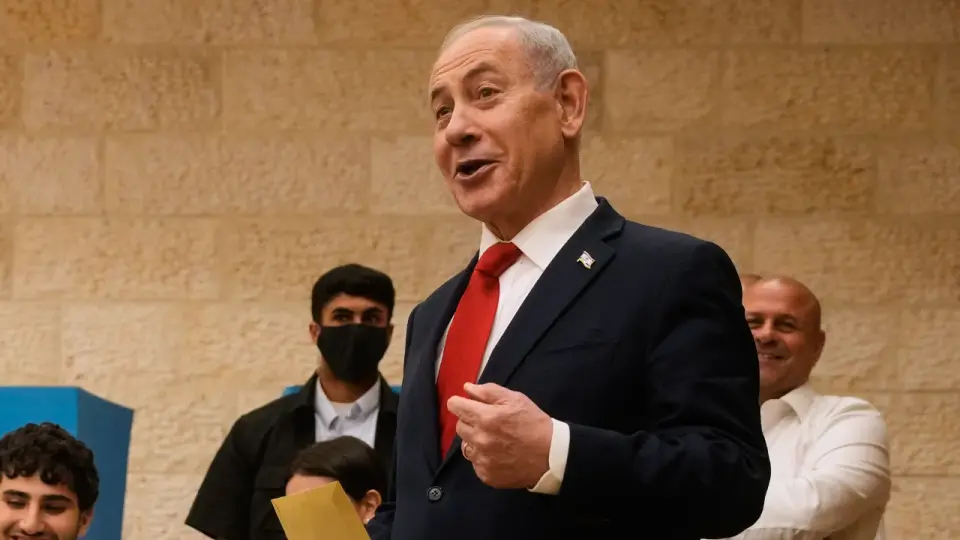
Israeli President Isaac Herzog begins consultations to form a government after a fragmented election left no bloc with a majority. Netanyahu’s camp claims fraud, while the opposition relies on Arab party support to challenge his leadership.
Key points
- Central Elections Committee certified results, rejecting Likud’s fraud claims despite Shin Bet reports of foreign influence.
- Netanyahu’s bloc holds 53 seats; Eisenkot’s opposition has 48, with 19 seats held by Arab parties acting as potential kingmakers.
- Herzog will consult parties in ascending order of size, starting with smaller factions, before deciding who gets the mandate to form a government.
- Analysts suggest Eisenkot may fail to build a coalition due to internal opposition rifts, potentially returning the mandate to Netanyahu.
- A unity government is unlikely due to deep ideological divides, but a minority government or rotation deal remains a theoretical possibility.
Background
This follows Israel’s October 27, 2026, general election, which resulted in a highly fragmented parliament. Previous coverage highlighted the strategic divergence between Netanyahu’s push for military action against Iran and Eisenkot’s diplomatic approach, as well as the opposition’s focus on seizing Knesset control to counter Netanyahu’s influence. The current deadlock mirrors historical precedents where minority governments or rotation agreements were used to avoid new elections during periods of crisis.
How outlets are covering it
Fox News emphasizes the political risk to Netanyahu, noting that Arab parties are likely to back Eisenkot, and highlights concerns over military constraints on a caretaker government. It frames the situation as a fight for survival for Netanyahu, with experts suggesting a unity government may be the only viable path. Al Jazeera focuses on the legal and democratic aspects, detailing the Central Elections Committee’s rejection of fraud claims and the internal conflict within the Likud party. It notes that Netanyahu’s allies, including National Security Minister Itamar Ben-Gvir, are attempting to delegitimize the results, while opposition leaders like Yair Lapid argue that Netanyahu’s alliance with the US administration makes a unity government impossible. Both sources agree that the 19 seats held by Arab parties are pivotal, but Fox News stresses the potential for a minority government, while Al Jazeera highlights the unprecedented nature of the fraud allegations.
Why it matters
The outcome of these consultations will determine Israel’s political stability and its ability to respond to regional threats, particularly regarding Iran. A failure to form a government could lead to another election in early 2027, prolonging political instability. The involvement of Arab parties as kingmakers also signals a shift in Israeli politics, potentially influencing future coalition dynamics and policy decisions on security and judicial reforms.
What to watch
Herzog will complete consultations by Thursday, after which he will decide which candidate to task with forming a government. If Eisenkot fails, the mandate may pass to Netanyahu, or a 21-day window for any MP to attempt a coalition may open. The 26th Knesset is scheduled to be sworn in on November 10, regardless of the government formation outcome.
- Netanyahu faces coalition showdown as rivals maneuver to form Israel's next government Fox News
- Israel’s president accepts certified election results ahead of talks on forming of new government The Hill
- Israel vote results confirmed as election commission rejects fraud claims Al Jazeera
- Israel's Next PM: What You Need to Know as Presidential Consultations Begin Haaretz
- Israel’s President Could Play Key Role in Breaking Post-Election Deadlock The New York Times
Want the full story? Read the original reporting
Read on Fox News