
Maricarmen Abascal, Spain's housing crisis icon, dies at 87 after failed return to home
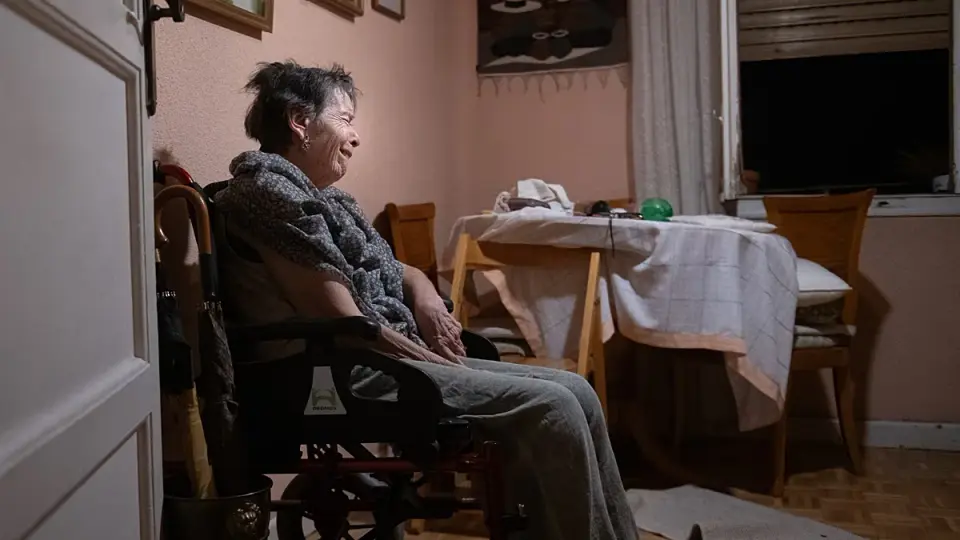
Maricarmen Abascal, the 87-year-old woman whose eviction from her Madrid apartment sparked a national housing crisis, has died. She had resisted four eviction attempts over a decade but was finally removed by police in September. Although a late agreement allowed her to return, she died in hospital before moving back. Her death has triggered new protests, a general strike call from unions, and early elections as the government seeks to pass housing measures previously rejected by parliament.
Key points
- Maricarmen Abascal, 87, died after being evicted from her Madrid flat in the Retiro district, where she had lived for 70 years.
- Her eviction was the fourth attempt in a decade, triggered by an inability to pay increased rent from investment fund Urbagestión.
- A late agreement with authorities allowed her to return, but the Madrid Tenant’s Union stated the solution came too late.
- Prime Minister Pedro Sanchez expressed condolences and dissolved parliament, calling early elections for November 29.
- Unions UGT and CCOO called for a general strike, demanding better salaries, decent housing, and price controls.
Background
Abascal's eviction in late September 2026 became the focal point of a severe housing crisis in Spain, where rents in Madrid had doubled in a decade and a shortage of over 750,000 homes existed. Her case led to massive protests, with nearly 500,000 people demonstrating in Madrid. The government faced a legislative defeat when parliament rejected emergency tenant protections, including a ban on evictions for vulnerable tenants until 2030. This political deadlock prompted Sanchez to call early elections, while the government moved to approve urgent housing measures via executive decree.
Why it matters
Abascal's death underscores the deepening social and political crisis in Spain over housing affordability. Her case symbolizes the struggle of long-term tenants against rising costs and investment funds, leading to widespread unrest and a potential shift in government policy through early elections.
What to watch
Protests are expected to continue in Madrid, with unions promoting a general strike. The government has approved urgent housing measures similar to those rejected by parliament, and early elections are scheduled for November 29.
Want the full story? Read the original reporting
Read on Euronews.com