
New DNA Analysis of Shroud of Turin Reveals Centuries of Contamination, Not Origin
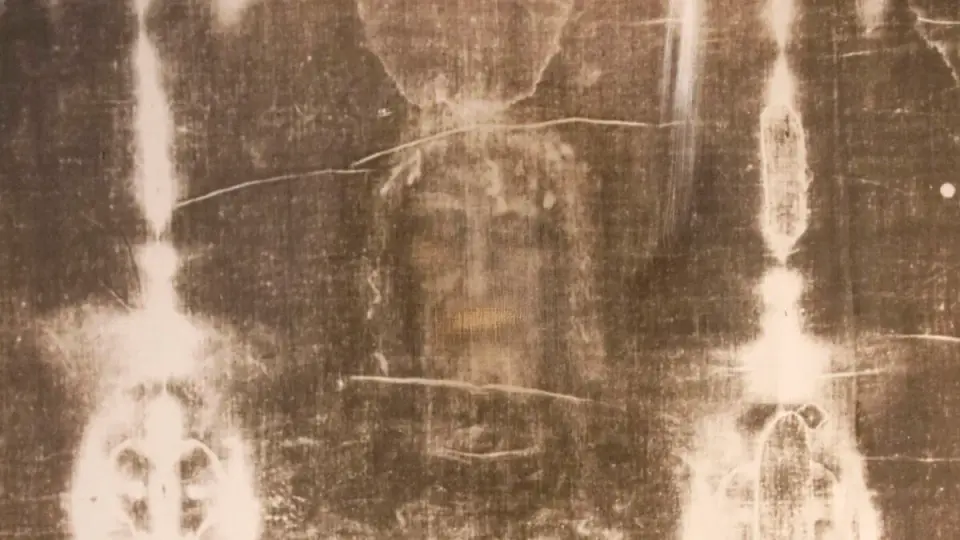
A comprehensive DNA study of the Shroud of Turin, published in Scientific Reports, identifies genetic traces from humans, animals, and plants, including American crops like maize and peanuts. The findings suggest the cloth accumulated biological material from the Late Middle Ages onward, reflecting centuries of handling and repair rather than its original age. While the analysis cannot confirm the cloth’s authenticity or link it to Jesus, it provides detailed insights into its environmental history and the impact of human interaction over time.
Key points
- Researchers used PCR-free, next-generation metagenomic sequencing to analyze samples collected from the Shroud in 1978 by Professor Pierluigi Baima Bollone.
- The study detected DNA from multiple human lineages, including those from Europe and the Middle East, as well as animals such as dogs, cats, pigs, horses, cattle, and chickens.
- Plant traces included wheat, maize, carrots, bananas, oranges, peanuts, and potatoes, with American crops indicating contamination after the 15th century.
- Radiocarbon analysis of threads from the Shroud’s reliquary dated them to 1451–1622 CE and 1642–1800 CE, aligning with known repair periods in 1534 and 1694.
- The analysis also identified bacteria, fungi, and archaea, including organisms adapted to salty environments, highlighting the cloth’s diverse biological history.
- The study cannot determine the Shroud’s age or authenticity, as DNA traces may be from any point in its history, making it impossible to separate original from later contamination.
Background
The Shroud of Turin, first recorded in 1354, has been the subject of debate for centuries. Previous studies, including a 1988 radiocarbon test, dated the cloth to the Middle Ages, though supporters dispute this. The 1978 STURP study examined the cloth’s image and stains, finding no clear pigment layer. This new study builds on earlier work, using advanced forensic techniques to uncover the cloth’s biological history.
How outlets are covering it
ScienceAlert and Around Prague emphasize the study’s comprehensiveness and its implications for understanding the Shroud’s journey, noting that the presence of American crops and other traces points to contamination from the Late Middle Ages onward. They highlight the use of PCR-free, next-generation metagenomic sequencing as a significant advancement. Cold Case Christianity, however, focuses on the broader debate over the Shroud’s authenticity, arguing that the 1988 radiocarbon dating and historical silence before the 1350s suggest it is a medieval forgery. While the new study does not settle the authenticity question, it adds to the evidence that the cloth has been heavily handled and repaired over centuries. The perspectives differ in their focus: ScienceAlert and Around Prague highlight the scientific method and its findings, while Cold Case Christianity emphasizes the historical and theological implications of the Shroud’s origins.
Why it matters
The study demonstrates how advanced forensic techniques can uncover new information from historical artifacts, even when they cannot resolve long-standing debates. It highlights the importance of considering the environmental and human history of artifacts, as DNA traces can reflect centuries of interaction rather than the artifact’s original context. For scholars and the public, the findings add to the understanding of the Shroud’s journey and the impact of human handling on its biological record, while reinforcing the complexity of interpreting such evidence.
What to watch
Researchers suggest that further insights may come from comparing these findings with other ancient textiles and artifacts. They also note that proteomics, the study of proteins, could complement forensic genomics in analyzing biological materials. No specific follow-up studies or dates were announced, but the study underscores the potential for advanced techniques to reveal more about historical artifacts.
- DNA From The Shroud of Turin Reveals a Surprise Centuries Later ScienceAlert
- New Study Examines Relic Tied to Shroud of Turin Yahoo
- Bible breakthrough as bombshell new evidence 'proves Jesus rose from the dead' AOL.com
- Shroud of Turin Carries DNA From Maize, Peanuts and Red Coral, Study Finds Around Prague
- The Shroud of Turin: Jesus’ Burial Cloth or History’s Most Brilliant Fake? Cold Case Christianity
Want the full story? Read the original reporting
Read on ScienceAlert