
Flydubai Incident Sparks Urgent Security Talks, Prompting Israeli Airlines to Resume Dubai Flights
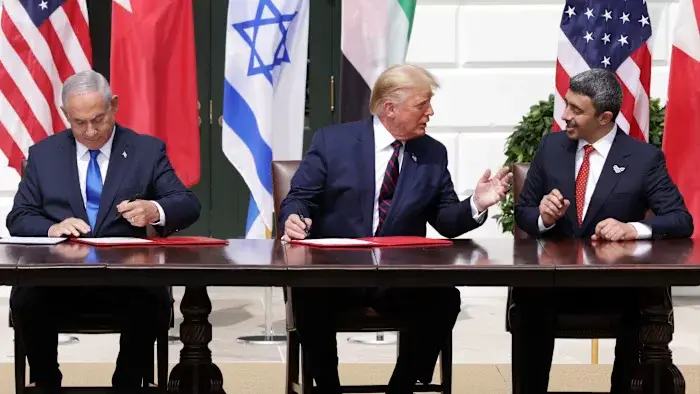
A violent incident aboard a Flydubai flight to Tel Aviv, where a pilot stabbed a colleague and attempted to crash the aircraft, has shaken the perceived safety of the UAE for Israelis. In response, the UAE agreed to Israel’s security demands, allowing Israeli carriers to resume flights to Dubai after an eight-month hiatus. This development follows a period of heightened tensions, including the Iran conflict and Netanyahu’s recent secret visit to Abu Dhabi, and underscores the strategic importance of the UAE-Israel relationship despite regional instability.
Key points
- A Flydubai pilot stabbed another and attempted to crash the plane, forcing an emergency landing after a 20,000-foot plunge.
- The UAE agreed to Israel’s security demands, enabling El Al, Arkia, and Israir to resume Tel Aviv-Dubai flights in November after an eight-month pause.
- Israeli airlines had been barred from the route by Shin Bet since the Iran conflict, with UAE carriers like Flydubai and Etihad dominating the market.
- Netanyahu’s secret visit to Abu Dhabi aimed to strengthen ties and address allegations that the UAE warned Israel about the 2023 Hamas attack.
- The UAE and Israel are expanding cooperation in military, tech, and logistics, with Israel providing Iron Dome and Iron Beam systems during the Iran conflict.
Background
The UAE and Israel formalized relations in 2020 via the Abraham Accords, leading to increased trade and travel. The 2023 Hamas attack and subsequent regional conflicts tested these ties, but the UAE maintained flights and security cooperation. Recent events, including the Flydubai incident and Netanyahu’s visit, highlight ongoing efforts to strengthen the relationship despite regional tensions.
How outlets are covering it
The Financial Times emphasizes the shock of the Flydubai incident and the UAE’s role as a safe haven for Israelis, while also noting the strategic importance of the relationship. Globes focuses on the economic impact of the flight hiatus and the urgency of resuming Israeli carrier operations to restore competition. VINnews highlights El Al’s plans to resume flights, underscoring the practical steps being taken to address security concerns. All sources agree on the significance of the UAE-Israel relationship but differ in emphasis: the FT on security and diplomacy, Globes on economic implications, and VINnews on operational logistics.
Why it matters
The Flydubai incident and subsequent security measures highlight the fragility and importance of the UAE-Israel relationship in a volatile region. Resuming flights and expanding cooperation could strengthen economic and military ties, but security concerns may deter tourism and trade. The incident also raises questions about the UAE’s ability to ensure safety for Israelis, potentially affecting regional dynamics and Israel’s strategic alliances.
What to watch
Israeli airlines are expected to resume Tel Aviv-Dubai flights in November, pending official approvals. The UAE and Israel may expand cooperation in military, tech, and logistics. However, security concerns from the Flydubai incident could impact tourism and trade, and regional tensions may continue to test the relationship. Netanyahu’s political pressure and the UAE’s response to security demands will also shape future developments.
- How the UAE became a destination for Israelis Financial Times
- Israeli airlines to resume Dubai flights after six month hiatus Globes - Israel Business News
- El Al Prepares to Resume Tel Aviv-Dubai Flights in November VINnews
Want the full story? Read the original reporting
Read on Financial Times