
Houthi Seizure of Bab al-Mandeb Chokes Global Oil Routes and Exposes Saudi Strategic Vulnerability
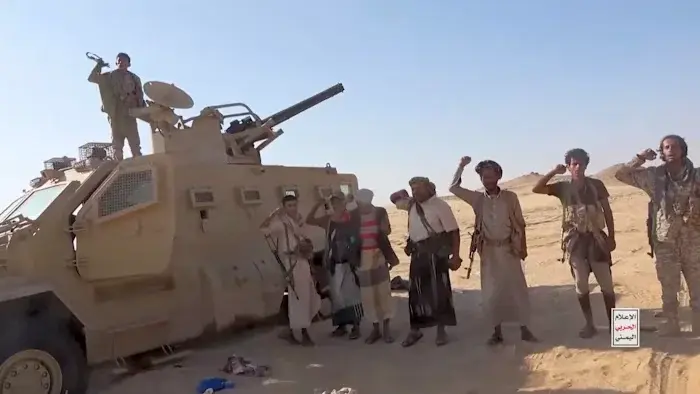
Iran-backed Houthis have captured the strategic Red Sea port of Mocha and key islands near the Bab al-Mandeb Strait, marking the most significant territorial shift in Yemen since 2015. This offensive has forced Saudi Arabia to request air-defense support from allies like France and the UK due to dwindling interceptor stocks, while driving crude oil prices to their highest levels since mid-2026. Although the US maintains a ceasefire with the Houthis and has not intervened militarily, it has engaged in diplomatic talks in Oman to prevent direct conflict with Washington. The collapse of Saudi-backed forces has displaced over 125,000 people, exacerbating a humanitarian crisis in a country already facing severe food insecurity.
Key points
- Houthis captured Mocha and the Greater and Lesser Hanish islands, tightening control over the Bab al-Mandeb Strait, which handles nearly 15% of global sea trade.
- Saudi Arabia requested air-defense assistance from France, Pakistan, Egypt, and the UK after its own missile interceptor stocks dwindled during the conflict.
- The US held direct talks with Houthi representatives in Muscat, Oman, where the Houthis reaffirmed their commitment to the 2025 ceasefire and stated they had no intention of attacking US vessels.
- At least 125,000 people have been displaced since the start of the month, joining approximately 5 million internally displaced persons in Yemen, with nearly half the population facing acute food insecurity.
- Crude oil prices spiked to $108 per barrel before settling around $104.59, driven by fears of dual chokepoints at Hormuz and Bab al-Mandeb being controlled by Iran and its allies.
Background
This escalation follows a 2022 ceasefire that Saudi Arabia sought to leverage for domestic development projects. The truce collapsed in July 2026 when the Houthis declared a maritime blockade on Saudi ports and targeted oil infrastructure. Previous archive coverage noted that Saudi Arabia’s East-West Pipeline was disabled by a drone attack in September 2026, further straining export routes. The current offensive represents a reversal of the 2015-2018 conflict dynamics, where Saudi-led forces previously pushed the Houthis back to Hodeidah after 18 months of intense fighting.
How outlets are covering it
The Financial Times emphasizes the internal collapse of Saudi-backed forces, highlighting that up to 400,000 Yemeni fighters on Saudi payroll fled or surrendered due to poor coordination and intelligence failures. In contrast, The Atlantic focuses on the strategic implications for the United States, noting that the loss of Bab al-Mandeb leaves Iran and its allies controlling two major maritime chokepoints, complicating US efforts to secure the Strait of Hormuz. Al Jazeera reports on the diplomatic dimension, detailing US-Houthi talks in Oman and Saudi requests for allied air-defense support, while The Guardian underscores the humanitarian catastrophe, warning that global focus on oil prices is overshadowing the plight of civilians in Yemen’s poorest regions.
Why it matters
The Houthi advance threatens to disrupt global energy supplies by controlling both the Bab al-Mandeb and Strait of Hormuz, potentially rerouting shipping around Africa and inflating oil prices. For Saudi Arabia, the offensive undermines Crown Prince Mohammed bin Salman’s efforts to extricate the kingdom from the Yemen conflict and threatens its trillion-dollar domestic development plans. For the US, the situation presents a dilemma between supporting its Saudi ally and maintaining a fragile ceasefire with the Houthis to avoid a broader regional war. The humanitarian crisis in Yemen, with millions displaced and food insecure, risks becoming the world’s worst man-made disaster if international attention remains focused solely on geopolitical and economic consequences.
What to watch
Saudi Arabia is likely to continue intensifying air strikes against Houthi positions while relying on allied air-defense support to protect its territory. The US may provide logistical and intelligence assistance to Saudi Arabia without direct military intervention, balancing its ceasefire with the Houthis against its alliance with Riyadh. Diplomatic efforts may intensify as the Houthis leverage their territorial gains to demand concessions from Saudi Arabia, including access to oil revenues and salary payments in Houthi-controlled areas. Humanitarian organizations will face increased pressure to respond to the displacement of over 125,000 people, though funding and access remain constrained by the ongoing conflict.
- The rebel offensive that shook Saudi Arabia Financial Times
- Yemeni forces target Houthis as US rules out direct role Al Jazeera
- Thursday briefing: Yemen’s war continues to threaten oil supplies– but what about its people? theguardian.com
- Yemen offensive elevates enigmatic Houthi commander's standing Reuters
- Trump Loses the Other Strait theatlantic.com
Want the full story? Read the original reporting
Read on Financial Times