
Iran Vows to Target Gulf Data Centers and Cables if US-Israel Renew War
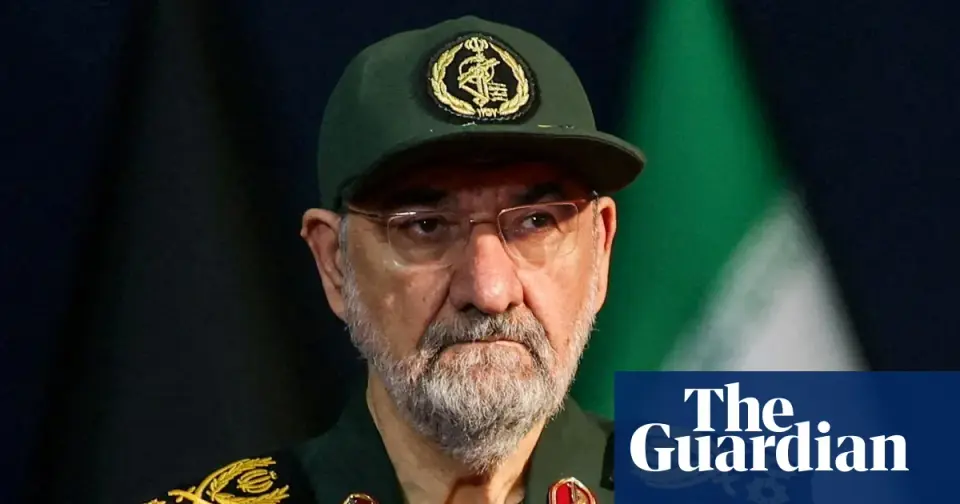
Iranian officials have warned that a renewed US-Israeli attack would trigger strikes against oil facilities, undersea cables, and AI data centers across up to seven Gulf nations. While US military planners prepare for a post-midterm assault, Tehran claims its 'zero red lines' strategy aims to expand the conflict geographically and temporally. International legal experts note that targeting dual-use infrastructure raises complex questions about civilian protection, as data centers increasingly support both military and civilian services.
Key points
- Mohsen Rezaei, Iran’s supreme national security council secretary, stated that a new war would target cables, data centers, and AI facilities in as many as seven countries.
- Mehdi Mohammadi, an adviser to negotiator Mohammad Ghalibaf, described the potential third war as an 'existential threat' and declared a strategy of 'zero red lines' to break temporal and spatial limits of conflict.
- US military advisers have reportedly drafted a target list for a joint US-Israel assault to be implemented after the November 3 midterms, focusing on missile, oil, and nuclear sites.
- The IRGC claimed to have struck seven commercial ships in the Strait of Hormuz, though independent verification is lacking; Brent crude oil prices rose to $113.4 per barrel.
- Trump has backed away from striking Iran seven times in four months, but a diplomatic deadlock has led to briefings on a new military campaign.
- Iranian officials have offered to lift the Hormuz blockade within seven days and allow UN inspections, but only if US sanctions are lifted first.
Background
This escalation follows a series of maritime incidents in 2026, including the sinking of the Acers tanker near Qatar in October and earlier strikes on Iranian tankers in September. Although Gulf oil exports recently surpassed pre-war levels via alternative routes, the current threat of a broader conflict involving digital infrastructure marks a significant shift from previous kinetic engagements focused primarily on naval and energy assets.
How outlets are covering it
The Guardian emphasizes the strategic intent behind Iran’s threats, highlighting the involvement of hardliners and the potential for a wider regional war involving European and Gulf economies. Just Security provides a legal analysis, noting that while data centers are becoming prime targets in conflicts like Russia-Ukraine, international law requires states to take 'passive precautions' to protect civilians from attacks on dual-use infrastructure. Tasnim News focuses on the IRGC’s defensive posture, with Brigadier General Yadollah Javani warning that US and allied assets, including undersea fiber-optic cables, are legitimate targets if Iran’s infrastructure is damaged. The Telegraph source was inaccessible due to a security block, so its perspective could not be synthesized.
Why it matters
The potential targeting of AI and data centers represents a new frontier in warfare, where civilian digital infrastructure is entangled with military capabilities. This could lead to widespread service disruptions, economic recession, and refugee crises if the Strait of Hormuz closes completely. The legal ambiguity surrounding the protection of dual-use facilities adds complexity to the conflict, as states must balance military necessity with the duty to minimize civilian harm.
What to watch
A US military buildup is expected to be completed by early November, involving three aircraft carriers and special operations forces, ahead of a potential change in Congress. Diplomatic mediators from Iran and Pakistan are exploring ceasefire options, including the release of frozen assets in exchange for lifting the Hormuz blockade and allowing inspections of nuclear sites. The outcome of the November midterms may influence whether the US proceeds with a military campaign or pursues diplomatic resolutions.
- Iran threatens to strike oil and AI facilities across Gulf if US and Israel renew attacks The Guardian
- Iran Escalates Threat to Target Undersea Cables in Hormuz Strait: ‘All of the World’s Internet and Commercial Data Depend on Them’ Yahoo
- Data Centers at War: The Defender’s Duty to Protect Civilians Just Security
- Undersea Internet Cables in Strait of Hormuz Could Be Targeted If Iran Is Attacked: IRGC Commander تسنیم
- Iran threatens to cut Hormuz internet cables The Telegraph
Want the full story? Read the original reporting
Read on The Guardian