
Bahrain Rejects Iran’s Muscat Talks on Strait of Hormuz
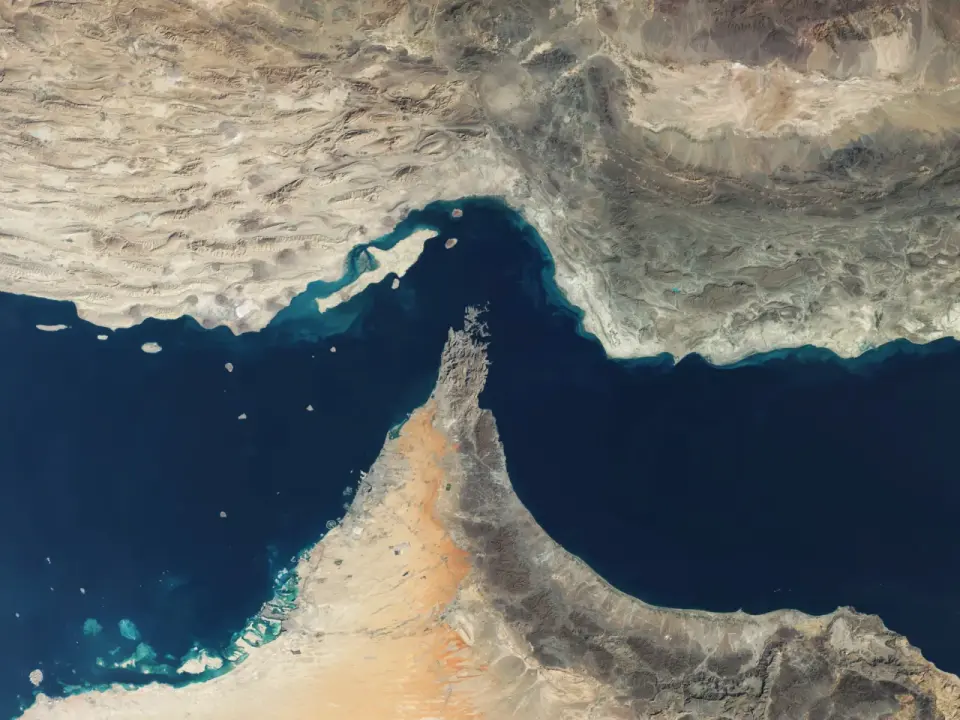
Bahrain has declined to join a proposed meeting in Oman regarding the Strait of Hormuz, citing unresolved diplomatic tensions with Iran. While Tehran frames the gathering as a gesture of regional goodwill, Manama insists security cannot be achieved through appeasement and demands the strait remain open without fees or permits. The conflict, which began with US-Israel strikes in February, has led to a de facto Iranian blockade of Gulf energy exports, prompting Bahrain to prioritize its 2016 diplomatic rift over collective security discussions.
Key points
- Bahrain’s Foreign Ministry stated it will not participate in the Monday meeting in Muscat, Oman, regarding safe passage in the Strait of Hormuz.
- Manama argues that regional stability cannot be preserved through appeasement and calls for the strait to remain open without discrimination, fees, or permits.
- Iran’s foreign ministry described the meeting as a sign of good intentions, emphasizing that regional security should be managed by neighboring countries without foreign intervention.
- Bahrain maintains that it will not engage in collective meetings with Iran until diplomatic relations are restored, a status that has remained severed since 2016.
- Iranian officials indicated that the Muscat talks would not result in an immediate reopening of the strait but would establish a framework for future negotiations.
Background
The current standoff follows the US-Israel military campaign against Iran that began in late February 2026, which resulted in the death of Supreme Leader Ali Khamenei and a subsequent Iranian blockade of the Strait of Hormuz. Previous coverage highlights that the conflict has persisted for six months, with the US shifting from direct strikes to economic sanctions while Iran maintains a low-intensity strategy to prolong the war. Earlier reports noted that while the US claimed control over the waterway, shipping traffic had declined, and Iran refused to fully reopen the strait until sanctions were lifted. Bahrain’s current refusal to engage in the Muscat talks reflects the broader diplomatic freeze in the Gulf, particularly given that Saudi Arabia restored ties with Iran in 2023 while Bahrain has not.
Why it matters
Bahrain’s refusal to participate in the Muscat talks highlights the deepening diplomatic fractures in the Gulf following the 2026 conflict. By rejecting a forum that includes Iran, Manama signals that it prioritizes its historical diplomatic stance over collective security measures, potentially isolating itself from regional efforts to manage the critical shipping lane. This move complicates Iran’s strategy to legitimize its control over the Strait of Hormuz through regional consensus, as Tehran seeks to frame its actions as a defensive measure against foreign intervention. The deadlock threatens to prolong the economic disruption caused by the blockade, affecting global energy markets and leaving Gulf states vulnerable to continued instability without a clear diplomatic off-ramp.
What to watch
The immediate focus will be on whether other Gulf states join Bahrain in boycotting the Muscat meeting or proceed with the consultations as planned by Iran and Oman. Observers will monitor if the talks yield any framework for reopening the Strait of Hormuz or if they remain purely consultative. Additionally, the diplomatic status between Bahrain and Iran will be a key indicator of whether broader regional normalization efforts can proceed, or if the 2016 rift will continue to dictate Manama’s foreign policy in the post-war landscape.
- Bahrain says it will not participate in Iran’s proposed Hormuz meeting Al Jazeera
- Live Updates: Latest from Israel, Iran, and the Middle East The Jerusalem Post
- Bahrain will not attend Gulf meeting with Iran on Strait of Hormuz Arab News
- Bahrain rules out Iran meeting on Hormuz until diplomatic ties restored Iran International
- Bahrain says it won’t attend any Hormuz meeting with Iran The Times of Israel
Want the full story? Read the original reporting
Read on Al Jazeera