
Beijing Leverages Iranian Diplomacy Ahead of Trump-Xi Summit
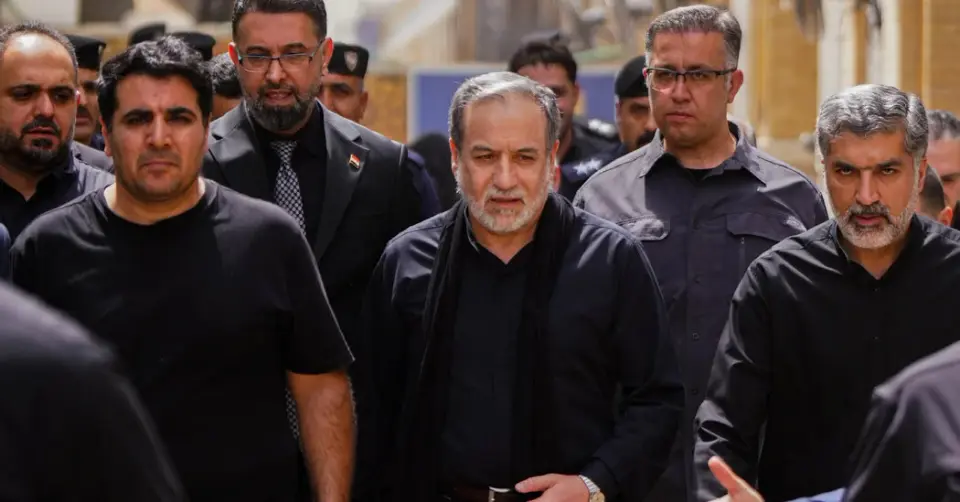
China hosted Iranian Foreign Minister Abbas Araghchi in Beijing on September 16, 2026, signaling its leverage over Tehran ahead of a scheduled summit between President Donald Trump and Chinese President Xi Jinping. Chinese Foreign Minister Wang Yi reaffirmed Beijing’s commitment to safeguarding Iran’s rights while urging both sides to reopen the Strait of Hormuz and restart negotiations. The meeting highlights China’s strategic positioning as a potential mediator in the ongoing US-Iran conflict, occurring just one week before Xi’s planned trip to the United States.
Key points
- Wang Yi met with Araghchi in Beijing to emphasize China-Iran partnership and call for an end to the war in the Middle East.
- China urged the US and Iran to remain rational and reopen the Strait of Hormuz, warning against regional spillover into Yemen and the Red Sea.
- The meeting serves as a signal to the White House that Beijing maintains influence over Tehran as Trump seeks favorable terms to end the conflict.
- Wang Yi stated that the current crisis exposes flaws in the Middle East’s existing security architecture, which needs reform.
- China is Iran’s largest buyer of crude oil and a top economic partner, reinforcing the strategic importance of the bilateral relationship.
Background
This diplomatic move follows Xi Jinping’s recent state visits to Egypt and India, where he sought to broaden China’s regional influence amid Middle East turmoil. In early September, Beijing had previously maintained a low-profile stance with Iran during a Shanghai Cooperation Organization summit, balancing public distance with quiet ties. The current conflict has already cost the US an estimated $33.4 billion, with significant damage to military assets and diplomatic facilities, highlighting the urgency for diplomatic resolution.
How outlets are covering it
The New York Times frames the meeting as a strategic signal to the White House, suggesting Beijing is demonstrating leverage over Tehran at a time when the US is running out of options. Al Jazeera emphasizes China’s stated willingness to 'safeguard Iran’s legitimate rights' and its critique of the Middle East’s security architecture. CNBC provides context on the high cost of the conflict, noting $33.4 billion in expenditures and significant damage to US aircraft and bases, which underscores the stakes of the diplomatic maneuvering. Tasnim highlights the call to rebuild the negotiation mechanism based on the Islamabad memorandum of understanding, focusing on the bilateral dialogue between the two foreign ministers.
Why it matters
The timing of this meeting, just one week before the Trump-Xi summit, indicates that China is positioning itself as a key player in resolving the Middle East conflict. By hosting Araghchi, Beijing aims to influence the outcome of the US-Iran war, potentially leveraging its economic ties with Iran to push for a ceasefire and the reopening of the Strait of Hormuz. This move also reflects China’s broader strategy to present itself as a stabilizing force in the region, contrasting with the US military approach.
What to watch
The next major event is the Trump-Xi summit, where the US and China are expected to discuss the war in Iran and the situation in the Strait of Hormuz. The outcome of the Wang-Araghchi meeting may influence the tone and substance of these discussions. Additionally, the US Department of Defense report on the cost of the war may impact future military and diplomatic decisions, as the US faces strategic inventory shortfalls and industrial bottlenecks in munitions resupply.
- In a Signal to Trump, Beijing Hosts Iranian Diplomat Ahead of U.S.-China Summit The New York Times
- China willing to ‘safeguard Iran’s legitimate rights’, official says Al Jazeera
- China's top diplomat urges Iran, US to show restraint, revive talks Reuters
- Iranian foreign minister will head to China for talks, as Pentagon reveals financial cost of war CNBC
- Araqchi, Wang Yi Meet in Beijing تسنیم
Want the full story? Read the original reporting
Read on The New York Times