
Trump Faces Divergent Pressure from Riyadh and Tel Aviv as Iran Conflict Expands
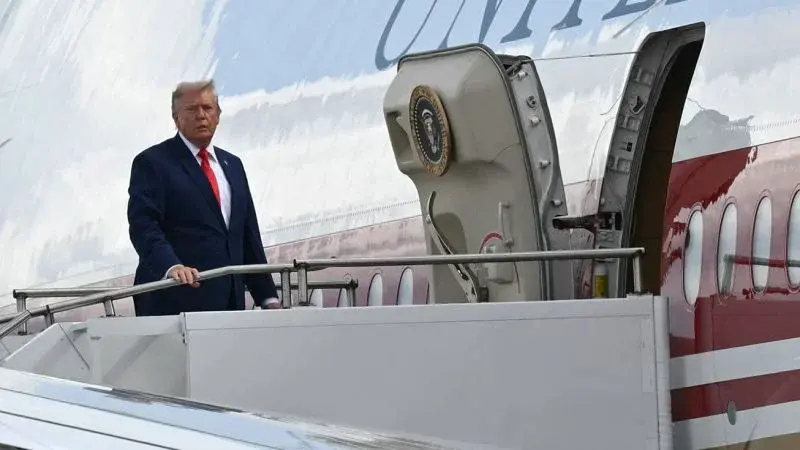
President Donald Trump faces conflicting diplomatic signals from Saudi Arabia and Israel regarding the ongoing conflict with Iran. While Saudi officials urged de-escalation to mitigate regional risks, Israeli Prime Minister Benjamin Netanyahu expressed skepticism about diplomacy and discussed renewed military pressure. Simultaneously, the US and Saudi Arabia conducted joint strikes against Iran-backed militias in Iraq, marking a significant escalation despite a brief pause in direct hostilities. Trump remains frustrated by Iran’s refusal to negotiate, citing internal divisions within Tehran’s leadership, while facing growing domestic pressure to resolve the Strait of Hormuz crisis before midterm elections.
Key points
- Saudi Defense Minister Khalid bin Salman conveyed a message from Crown Prince Mohammed bin Salman urging de-escalation, warning that prolonged conflict carries major risks for the region.
- Israeli Prime Minister Benjamin Netanyahu met with Trump, expressing doubt that diplomacy with Iran would succeed and discussing options to increase pressure, including renewed military strikes.
- US and Saudi forces conducted joint precision strikes against Iran-backed militia sites in eastern Iraq, responding to over 30 drone attacks on US troops and Saudi energy infrastructure in the previous 72 hours.
- Trump convened his Cabinet at Camp David, stating he intends to 'go big' in escalation but acknowledging air power has limits, while expressing frustration over Iran’s broken promises and internal power struggles.
- A CNN survey found only 28% of Americans approve of Trump’s handling of the war, with Republicans increasingly concerned about high gas prices and the conflict’s impact on midterm election prospects.
Background
The conflict began in late February 2026, escalating after a failed memorandum of understanding regarding the Strait of Hormuz. Previous tensions included US strikes on Iranian infrastructure, Iranian threats against US troops, and a brief pause in fighting that ended with renewed missile barrages. The current escalation follows a period where Iran effectively closed the strait, leading to global oil price spikes and diplomatic efforts by mediators like Qatar and Pakistan to revive talks.
How outlets are covering it
CNN highlights the diplomatic crosscurrents, noting that Saudi Arabia seeks de-escalation while Israel pushes for continued pressure. AP News emphasizes the military dimension, detailing the joint US-Saudi strikes in Iraq and the interception of Iranian missiles, while noting the political backlash in Congress. Al Jazeera focuses on the regional fallout, reporting that Iraqi militias condemned the strikes as a violation of sovereignty, and highlighting Houthi attacks on Saudi shipping in the Red Sea. US Central Command framed the strikes as a necessary response to 'terrorist' attacks, whereas Iranian-backed groups denied involvement in the drone attacks that triggered the strikes.
Why it matters
The conflict threatens to engulf the broader Middle East, with new fronts opening in Iraq and Yemen. The inability to resolve the Strait of Hormuz crisis risks prolonged economic disruption and higher global oil prices. For the US, the war’s unpopularity and military costs pose significant political risks ahead of the midterm elections, while the internal divisions within Iran’s leadership complicate any potential diplomatic resolution.
What to watch
Trump is expected to continue weighing options for escalation versus diplomacy, potentially including further strikes on Iranian military capabilities. Diplomatic efforts by mediators like Qatar and Pakistan may resume, but progress is uncertain due to Iran’s internal power struggles. The US and Saudi Arabia may conduct further joint operations in Iraq if attacks continue, while Iran may escalate its threats against shipping in the Strait of Hormuz and the Red Sea.
- Trump gets conflicting messages as he seeks an exit ramp from the Iran war CNN
- US thwarts an Iranian missile attack and launches strikes with Saudi Arabia against militias in Iraq AP News
- U.S., Saudi Forces Strike Iran-Backed Terrorist Sites in Iraq centcom.mil
- Iraqi armed groups condemn ‘dangerous escalation’ after US-Saudi strikes Al Jazeera
- Saudi Arabia Reluctantly Enters U.S.-Iran War The New York Times
Want the full story? Read the original reporting
Read on CNN