
Danish Intelligence Flags Rising Risk of Russian Strikes on NATO Borders
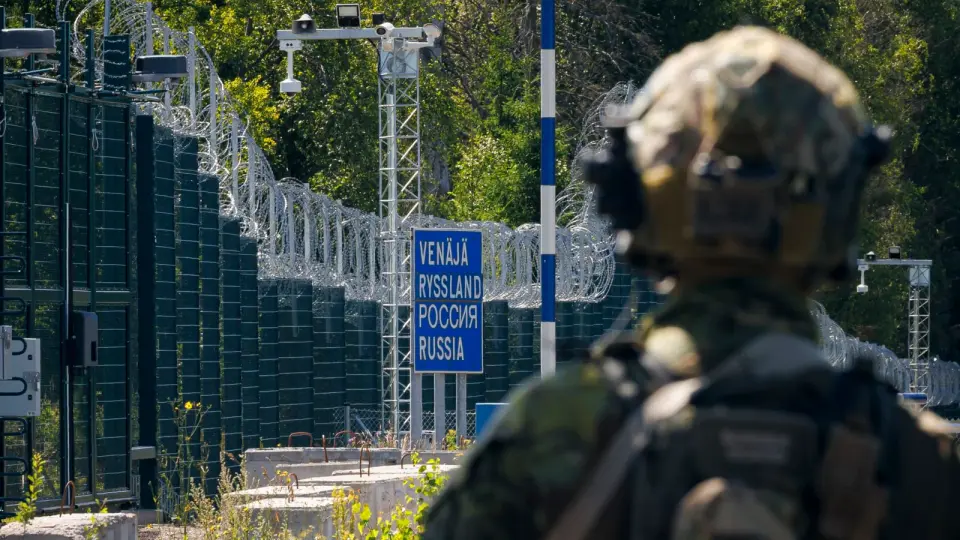
Danish intelligence warns that Russia may launch limited military strikes or intensified hybrid attacks against NATO members within months to disrupt support for Ukraine, amid a series of recent sabotage incidents in Europe.
Key points
- The Danish Defence Intelligence Service (DDIS) identified a 'low but growing risk' that Russia could use long-range weapons to strike critical infrastructure supporting Ukraine in the coming months.
- DDIS stated that while a full-scale invasion is 'highly unlikely,' it cannot be ruled out, and Russia might deploy limited troops without insignia to neighboring NATO states, though such moves would be difficult to conceal.
- The assessment coincides with a fire at a Starlink ground station in Poland, which authorities described as sabotage, and a drone incident at Leipzig/Halle airport in Germany earlier this month.
- The goal of these actions, according to DDIS, is to divert European resources away from Ukraine and sow division within NATO if the alliance fails to agree on a collective response.
- Russia has denied involvement in recent sabotage incidents, while European officials warn that Moscow is increasingly willing to take risks after more than four years of war.
Background
This warning follows a series of escalating tensions in late 2026. In August, CIA Director John Ratcliffe visited Moscow to warn against attacks on NATO. In September, former NATO chief Admiral Rob Bauer warned that Russia could rebuild strike capacity within three years. Recent incidents, including the Polish Starlink fire and German airport drone, have heightened concerns about hybrid warfare targeting European infrastructure.
How outlets are covering it
CNBC and The Guardian both report on the DDIS assessment, emphasizing the 'low but growing risk' of limited military action and the potential for sabotage. The New York Times frames the situation as a 'shadow war,' highlighting Europe's struggle to counter these provocations and the uncertainty surrounding US commitment under President Trump. All sources agree on the rising threat but differ in emphasis: CNBC and The Guardian focus on the specific intelligence warnings, while The New York Times focuses on the broader political and strategic implications for European unity.
Why it matters
The warning signals a potential shift in Russia's strategy from conventional warfare in Ukraine to direct, limited provocations against NATO members. This could test the alliance's collective defense commitments and force Europe to accelerate its defense industrial base and political coordination to deter further escalation.
What to watch
NATO members are expected to increase surveillance and defense readiness along their eastern borders. European governments may accelerate defense spending and industrial capacity to ensure sustained support for Ukraine. Diplomatic efforts to maintain unity within NATO and clarify US commitment under the Trump administration will likely intensify in the coming months.
- Russia could attack a NATO country within months, Danish intelligence warns CNBC
- Russia could attack a Nato country within months, Danish intelligence says The Guardian
- Europe Warns of Russia’s Hybrid Attacks but Struggles to Counter Them The New York Times
- Putin’s Shadow War Is Testing NATO’s Restraint Bloomberg.com
- NATO steps up intelligence-sharing over Russia threat, top commander says Reuters
Want the full story? Read the original reporting
Read on CNBC