
Houthi Debris Damages Saudi Sovereign Wealth Fund Tower in Riyadh
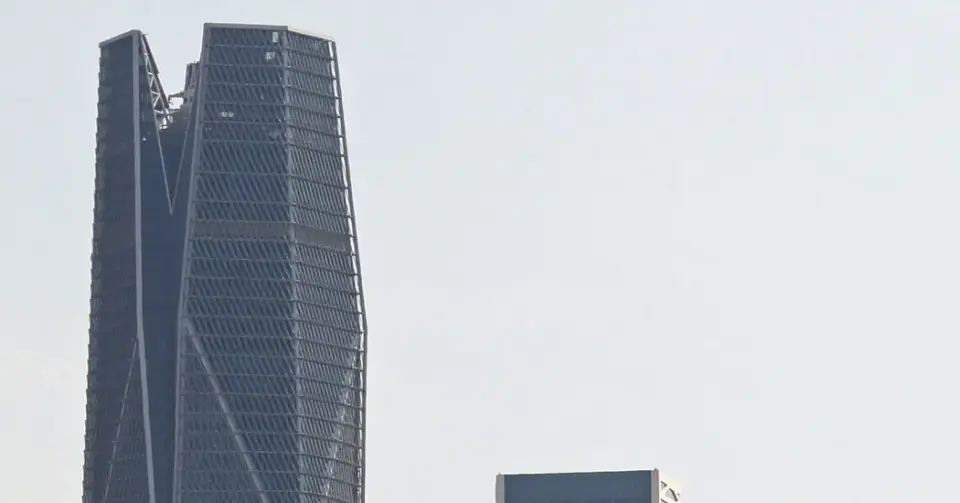
Debris from intercepted Houthi missiles damaged the 80-story Public Investment Fund tower in Riyadh’s financial district on Thursday. Saudi authorities confirmed material damage and falling shrapnel, while the coalition reported intercepting multiple ballistic missiles. This incident marks the second major strike on Riyadh’s financial district this month, amid a broader escalation in the Saudi-Yemeni conflict that has displaced over 330,000 people since August.
Key points
- The 80-story Public Investment Fund (PIF) tower in Riyadh’s King Abdullah Financial District sustained damage, including black scorch marks and blown-out windows across approximately five floors, following a Houthi missile attack on Thursday.
- Saudi authorities attributed the damage to falling shrapnel from intercepted missiles, while the Saudi-led coalition stated it destroyed four ballistic missiles targeting the southern region and a launchpad used for the Riyadh attack.
- Houthis claimed responsibility for targeting vital sites in Riyadh, including the international airport and financial center, as well as cities in the southern region like Abha and Khamis Mushait.
- The attack coincided with Saudi airstrikes on Sanaa and Yemeni government forces reporting approximately 750 operations against Houthi positions in Taiz and Lahij.
- Yemen’s Presidential Leadership Council designated the Houthi group a terrorist organization, warning that cooperation with the group could result in execution or prison terms of 30 years or more.
Background
This incident follows a similar attack on November 8, when shrapnel from intercepted Houthi missiles damaged the Saudi Aramco tower in the same financial district. The current escalation has shattered a 2022 UN-brokered truce, leading to intensified hostilities since the Houthis captured strategic areas along Yemen’s Red Sea coast last month. Humanitarian figures indicate over 330,000 people, including 174,000 children, have been displaced since the renewed military escalations began in August.
How outlets are covering it
The New York Times and Bloomberg both confirmed physical damage to the PIF tower, with the NYT detailing specific visual evidence such as scorch marks and broken windows. Al Jazeera provided a broader strategic context, highlighting the coalition’s interception of multiple missiles and the simultaneous designation of Houthis as a terrorist group by Yemen’s government. While Saudi authorities emphasized the defensive nature of the response, Houthi claims focused on targeting critical infrastructure, including the airport and financial center, to pressure the Saudi kingdom.
Why it matters
The damage to the PIF tower underscores the escalating risks to Saudi Arabia’s economic infrastructure and sovereign wealth fund operations. It signals a shift in Houthi tactics toward high-value financial targets in the capital, potentially impacting global investment confidence. The incident also highlights the intensifying humanitarian crisis in Yemen, where over 2,260 deaths and 10,519 injuries have been reported since the August escalation, complicating regional stability and diplomatic efforts.
What to watch
Investigations into the extent of the damage to the PIF tower are ongoing, with the fund not immediately responding to comment requests. The Saudi-led coalition is expected to continue intercepting Houthi missiles and conducting airstrikes in Yemen. Yemeni government forces may expand operations in Taiz and Lahij, while humanitarian organizations will likely update casualty and displacement figures as fighting continues in densely populated areas.
- Saudi Sovereign Wealth Fund Tower Damaged as Houthis Attack Riyadh The New York Times
- Houthi Attack Damages Saudi Capital’s Tallest Tower WSJ
- Riyadh’s tallest skyscraper hit in Houthi strike on Saudi wealth fund HQ Reuters
- Saudi Public Investment Fund’s Riyadh Headquarters Damaged Bloomberg.com
- Saudi-led coalition intercepts Houthi missiles targeting Riyadh and south Al Jazeera
Want the full story? Read the original reporting
Read on The New York Times